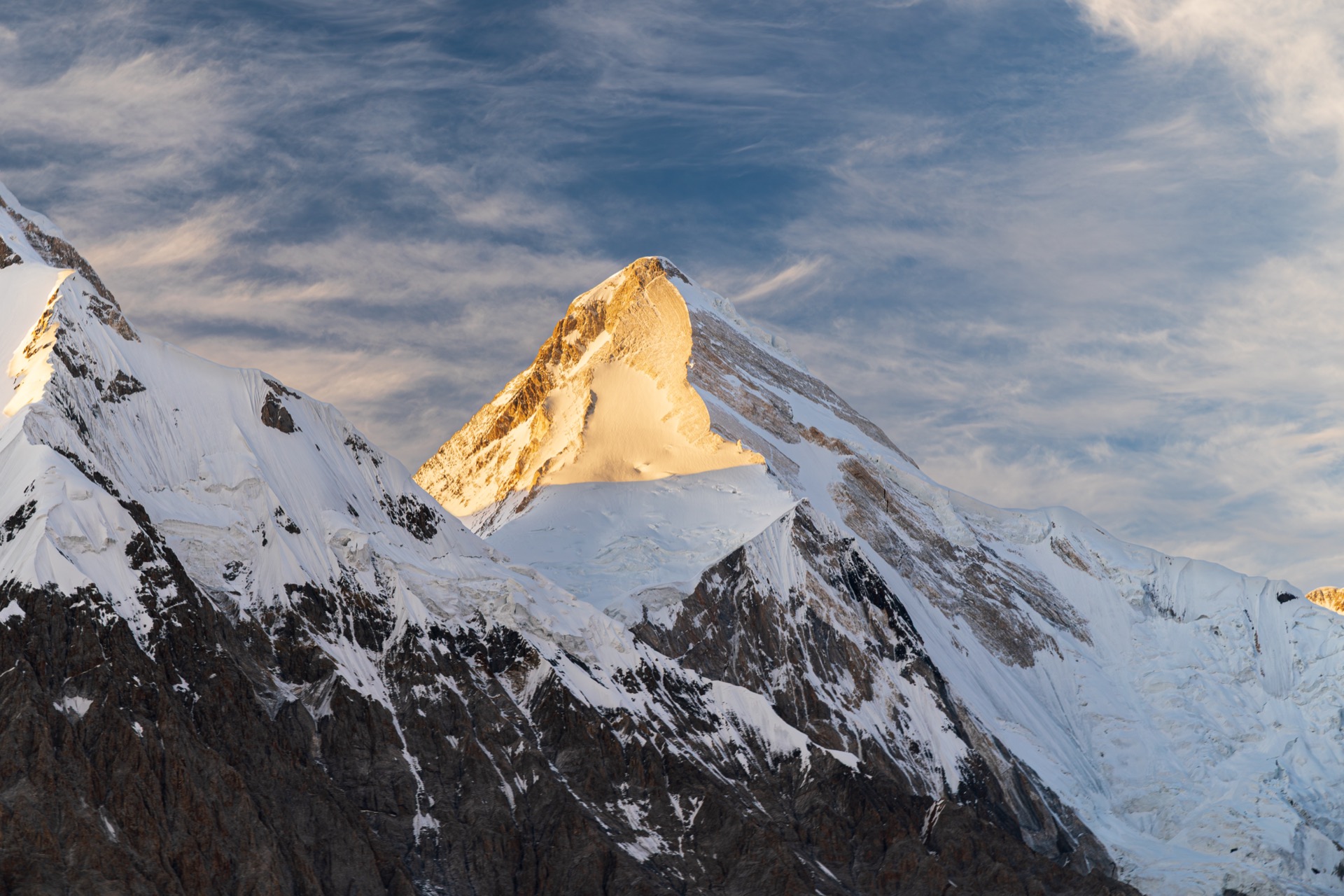
Ala-Kul Lake Trek
The complete Ala-Kul lake trek guide: a two-to-three-day hike from Karakol through Altyn-Arashan hot springs to a turquoise alpine lake at 3,532 metres — Kyrgyzstan's most iconic mountain trail with practical route detail, gear lists, costs, and difficulty assessment.
Duration
2–3 days
Max altitude
3,860 m (pass)
Difficulty
Moderate–Challenging
Best months
July–September
Why Ala-Kul is Kyrgyzstan's signature trek
An alpine lake so vivid it looks edited — and the trail to reach it is the perfect introduction to Tian Shan hiking.
Ask any trekker who has been to Kyrgyzstan which hike they recommend first, and the answer is almost always the Ala-Kul lake trek. The draw is a turquoise glacial lake nestled at 3,532 metres in the Terskey Alatoo range south of Karakol, reached via a pass at 3,860 metres that rewards the effort with a colour so intense it stops conversation. The route pairs naturally with a soak at Altyn-Arashan's hot springs, creating a trek that delivers thermal relaxation, alpine drama, and genuine wilderness in a compact two-to-three-day package.
The trail is well-established but not domesticated. Expect steep scree on the pass approach, possible snow patches through August, and a descent into the Karakol Valley that tests knees and trekking poles equally. The experience sits firmly in the moderate-to-challenging bracket: fit day-hikers with basic multi-day gear handle it well, while beginners should consider hiring a guide and horse support from one of Karakol's trek agencies. No technical climbing is involved — just sustained uphill effort, altitude awareness, and respect for weather that changes faster than forecasts promise.
Karakol serves as the gateway town with guesthouses, gear shops, and agency offices clustered around the bazaar area. Most trekkers spend a night in Karakol before starting, use it as a resupply point, and return to it for post-trek celebrations involving hot showers and Dungan noodles. For broader trek planning across Kyrgyzstan, pair this guide with our trekking overview, camping guide, and packing list.
Day-by-day trail breakdown
The standard three-day version with an Altyn-Arashan start and Karakol Valley exit.
Day 1 — Karakol to Altyn-Arashan (3–4 hrs hiking)
Start from the Ak-Suu trailhead south of Karakol. The path climbs steadily through spruce forest alongside the river, gaining about 600 metres over 10 kilometres. Alternatively, hire a 4WD truck from Karakol for roughly 2,000 KGS that covers the distance in 1.5 bumpy hours — useful for saving energy for the pass day. Altyn-Arashan sits at 2,600 metres with guesthouse beds for ten to twenty US dollars and natural hot springs in wooden bathhouses. Soak tired legs and sleep early — tomorrow is the big day.
Day 2 — Altyn-Arashan → Ala-Kul Pass → Lake → Karakol Valley (7–9 hrs)
The crux day. Depart by seven in the morning to reach the pass before afternoon clouds build. The trail rises from 2,600m to the Ala-Kul pass at 3,860 metres over roughly five hours — the final two hours are steep switchbacks on loose scree and possible snow. Cresting the pass reveals the lake below: an almost unreal turquoise pool hemmed by glaciers and dark rock walls. Descend steeply to the lake shore at 3,532 metres for photos, lunch, and the option to camp lakeside (cold, exposed, spectacular) or continue two to three hours down to the gentler Karakol Valley camp at 2,800 metres (sheltered, warmer, water access). Most trekkers choose the valley camp. Check altitude tips before attempting the pass.
Day 3 — Karakol Valley to Karakol Town (3–4 hrs)
A relaxed exit day following the Karakol River downstream through forest and meadow. The trail is well-marked and gently downhill. Emerge at the trailhead where taxis or pre-arranged pickups wait (arrange through your Karakol guesthouse for 500–800 KGS). Celebrate with a shower, Dungan ashlan-fu noodles, and a wander through the wooden Dungan mosque. For onward routes, connect to our 7-day itinerary or continue to Jyrgalan for more trails.
What to bring and what to budget
Essential gear
Three-season tent, sleeping bag rated to -5°C, sleeping pad, trekking poles (critical for scree), waterproof shell, warm layers (fleece + down jacket), sturdy boots with ankle support, headlamp, 2L water capacity with purification, sun protection (altitude UV is intense), and two days of food. Karakol has rental shops for tents and sleeping bags if you are travelling light. Full checklist in our packing list.
Budget breakdown
Self-supported: $50–80 total (transport to/from trailheads, park fees, one night Altyn-Arashan guesthouse, food, gas canister). Guided group trek: $150–250 for three days including meals, tent, guide, and horse support. Private guided: $200–350. Karakol agencies offering fixed-departure group treks include Turkestan, Ecotrek, and CBT Karakol. Compare with our budget guide for context.
Safety notes
The pass at 3,860m can trigger mild altitude symptoms — headache, nausea — in unacclimatised trekkers. Spend at least one night at Altyn-Arashan (2,600m) before attempting the pass. Turn back if symptoms worsen above 3,500m. Weather can shift to rain, hail, or snow within an hour at pass altitude even in August — carry waterproofs and warm layers at all times. River crossings on the Karakol Valley side can be knee-deep in peak melt season. Full altitude protocol in our health guide and safety page.
Ala-Kul trek questions
Practical answers for planning Kyrgyzstan's most popular multi-day hike.
- How long is the Ala-Kul trek?
- The standard Ala-Kul lake trek from Karakol takes two to three days depending on fitness and route variation. The most popular version runs: Day 1 from Karakol to Altyn-Arashan (3-4 hours hiking or 1.5 hours by truck), Day 2 from Altyn-Arashan over the Ala-Kul pass to the lake and down to Karakol Valley camp (7-9 hours, the crux day), Day 3 out to Karakol town (3-4 hours). Fast hikers combine Days 2-3 into one long push.
- How difficult is the Ala-Kul trek?
- The Ala-Kul trek is rated moderate to challenging. The pass at 3,860 metres involves steep scree and snow patches even in August. Total elevation gain across the trek exceeds 1,500 metres. Fit hikers with day-hike experience handle it well; complete beginners may struggle on the pass day. No technical climbing is required but sure-footedness on loose rock is essential. Trekking poles are strongly recommended.
- Do I need a guide for the Ala-Kul trek?
- A guide is not legally required but is recommended for first-time Kyrgyzstan trekkers. The trail from Altyn-Arashan to the pass is well-worn in summer but can be confusing in fog or after fresh snow. Guides from Karakol agencies cost thirty to fifty US dollars per day and add safety, route knowledge, and horse support for gear. Solo hikers should carry GPS tracks, tell their guesthouse the plan, and not attempt the pass in poor visibility.
- What is the best time for the Ala-Kul trek?
- Mid-July through mid-September offers the most reliable conditions. The pass is typically snow-free by late July in normal years. August is peak season with the warmest weather and busiest trails. September brings autumn colours and fewer trekkers but colder nights and earlier snow risk. June is possible for experienced hikers with ice axe skills but the pass may require crampons.
- Do I need a permit for the Ala-Kul trek?
- No special trekking permit is needed for the Ala-Kul route. There is a small national park entry fee at the Karakol Valley trailhead — typically one hundred to two hundred Kyrgyz som. Altyn-Arashan has a separate entry fee of similar amount. No border zone permits apply to this area. Just bring your passport for any checkpoints.
- Can I do Ala-Kul without camping?
- Partially. Altyn-Arashan has guesthouses and yurt camps where you can sleep in a bed for ten to twenty US dollars. However, the Ala-Kul lakeside and the descent camp on the Karakol Valley side are tent-only — no structures exist at the lake. You need at minimum a tent, sleeping bag rated to minus five Celsius, and a sleeping pad for the lake camp. Some guided tours provide all gear.
- How much does the Ala-Kul trek cost?
- Self-supported: roughly fifty to eighty US dollars total including transport, park fees, Altyn-Arashan guesthouse, food, and gas canister. Guided with horse support: one hundred fifty to two hundred fifty US dollars for three days including meals, tent, guide, and horse. Karakol has several agencies offering fixed-departure group treks at the lower end and private expeditions at the higher end.
- What gear do I need for the Ala-Kul trek?
- Essentials: three-season tent, sleeping bag rated to minus five Celsius, sleeping pad, trekking poles, waterproof jacket and pants, warm layers (fleece plus down), sturdy hiking boots with ankle support, headlamp, water purification, sun protection, and two days of food. Recommended: gaiters for scree, camp shoes, silk sleeping bag liner, and a portable stove. Karakol shops rent tents and sleeping bags if you are travelling light.
More trails and planning tools
Connect the Ala-Kul trek with broader Kyrgyzstan adventures and practical guides.
Trekking guide
All major routes, seasons, and logistics across Kyrgyzstan.
Karakol
Base town for Ala-Kul: guesthouses, agencies, animal market.
Jyrgalan
Alternative trek base with eco-trails and fewer crowds.
Camping guide
Gear, wild camping rules, and campsite locations.
Hot springs
Altyn-Arashan thermals and other soaking spots nationwide.
Packing list
Full gear checklist for Kyrgyzstan mountain treks.
Health & altitude
Altitude sickness protocol, pharmacies, and evacuation.
Adventure itinerary
12-day multi-sport route including Ala-Kul.