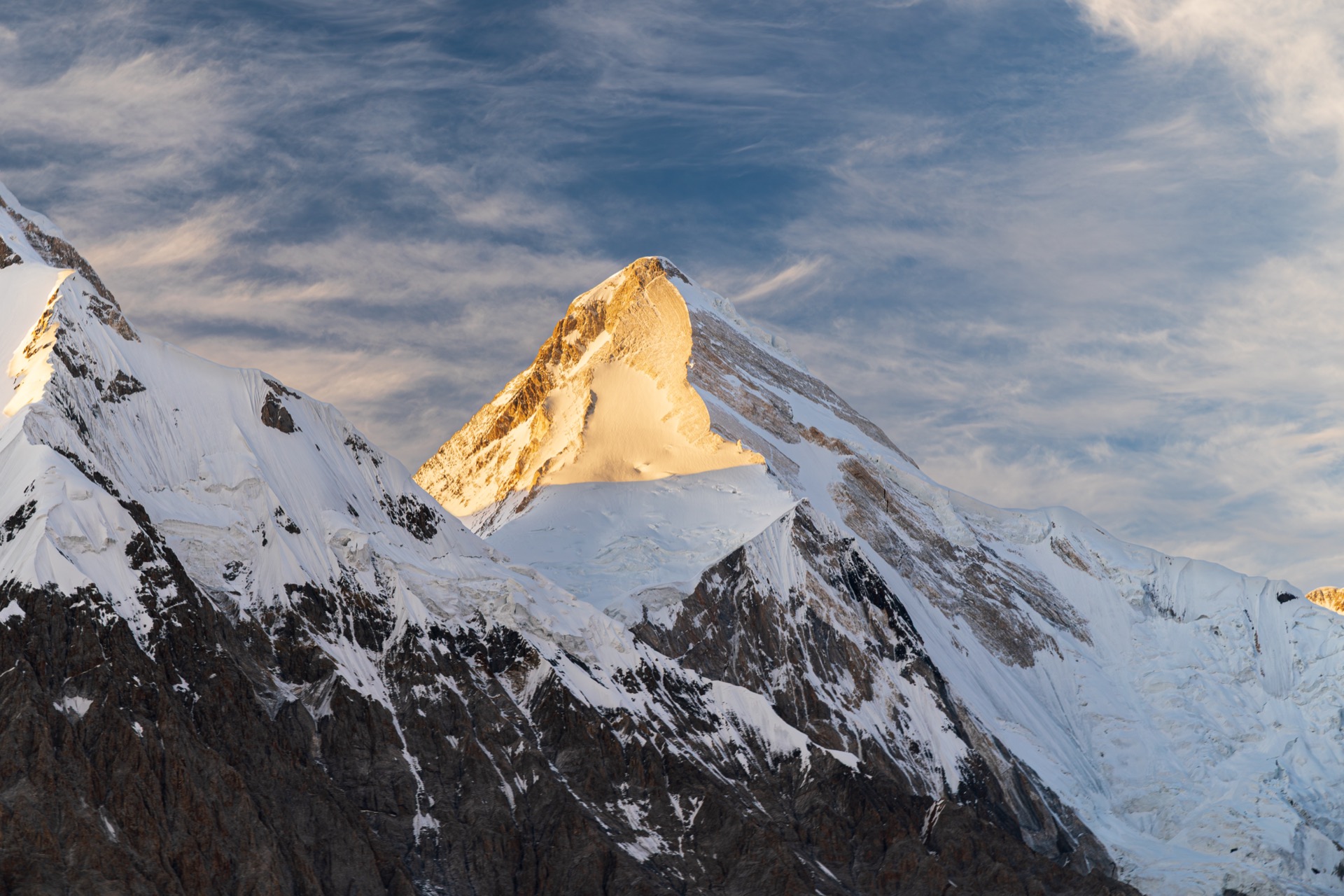
Autumn in Kyrgyzstan
Kyrgyzstan autumn travel from September through November: golden valleys, the Arslanbob walnut harvest, empty trails, rock-bottom prices, and the country's finest photography light — the best-kept secret season.
Season
September - November
Temperature
5-25°C (varies by altitude)
Budget
$25-70/day
Best for
Photography & harvest
The Season Most Travelers Miss
Summer gets the crowds. Winter gets the skiers. Autumn — September through November — gets the golden valleys, empty trails, and the kind of experiences that only happen when the tourist infrastructure winds down but the country keeps living.
Kyrgyzstan autumn travel begins where peak season ends. September still carries summer warmth — valleys sit at 18-25°C, most trekking routes stay open, and Issyk-Kul water remains swimmable — but the crowds have gone. By October the landscape transforms: larch forests above Karakol turn gold, birch groves in Chon-Kemin go amber, and the walnut forests of Arslanbob ring with the sound of harvest. This is the month that landscape photographers and cultural travelers dream about.
What makes Kyrgyzstan September October November travel uniquely rewarding is the combination of natural beauty, cultural access, and value. Accommodation prices drop 40-70% from summer peaks. The Arslanbob walnut harvest invites genuine participation — not a staged tourist experience, but a living tradition where families welcome guests into their homes and forests. Eagle hunting demonstrations begin on the Issyk-Kul south shore. And the photography conditions — golden light from 5:30 PM, zero haze, snow-capped peaks above amber valleys — are the best of any season.
The trade-off is progressive closure. Song-Kul shuts by mid-September. High-altitude treks wrap up in October. November brings early snow and the shortest days. Plan your autumn trip around a clear priority — harvest, photography, budget travel, or the September sweet spot — and the season delivers extraordinary value that peak summer cannot match.
Month-by-Month Autumn Guide
Each autumn month has a distinct character — from September's summer afterglow through October's golden peak to November's quiet transition into winter.
September
Late summer warmth meets the first golden edges
Highlights
- Valleys stay warm at 18-25°C — comfortable hiking weather without the fierce July heat. Nights cool to 8-12°C, perfect for sleeping.
- Most trekking routes remain open through mid-September: Ala-Kul, Jeti-Oguz, Altyn-Arashan, and lower-altitude circuits around Karakol and Arslanbob.
- Song-Kul yurt camps close around mid-September. The first two weeks offer a last chance to experience the jailoo with dramatic autumn skies and virtually no other tourists.
- Walnut harvest begins in Arslanbob — the world's largest natural walnut forest spanning 600,000+ hectares. Villagers welcome visitors to join the picking for $10-15/day homestay rates.
- Issyk-Kul water is still swimmable at 17-19°C on the south shore. Beaches that were packed in August are nearly empty.
- Independence Day celebrations (August 31) spill into early September with concerts, horse games, and festive energy in Bishkek and regional towns.
- Tourist numbers drop 40-60% compared to August, yet infrastructure — guesthouses, transport, restaurants — remains fully operational.
Closed or limited: Song-Kul yurt camps close mid-month. High passes above 4,000 m may see early snow. Some remote homestays in Tash-Rabat valley begin winding down.
Best for: Trekkers, photographers, walnut harvest visitors, Issyk-Kul swimmers
October
Peak golden season — amber valleys, frost on the peaks, harvest everywhere
Highlights
- The golden season. Valleys across Kyrgyzstan turn amber, copper, and gold. Larch forests around Karakol and birch groves in Chon-Kemin reach peak colour in the first two weeks.
- Bishkek's parks are stunning — Oak Park (Dubovy Park) and the surrounding boulevards become corridors of yellow and orange. Cafe culture moves to sunny terraces for the last warm weeks.
- Arslanbob walnut harvest hits its peak. Join villagers picking walnuts in the forest, stay in family homestays for $10-15/night with meals, and experience a centuries-old tradition firsthand.
- Fairy Tale Canyon (Skazka) on Issyk-Kul's south shore is crowd-free — the red sandstone formations glow at sunset without a single tour bus in sight.
- Karakol comes alive for autumn visitors: Jeti-Oguz red rocks framed by golden larch, the ornate Dungan mosque, Przhevalsky museum, and the Sunday animal market running as always.
- Frost arrives above 3,000 m. Most high-altitude multi-day treks close for the season, but day hikes at lower elevations remain excellent.
- Eagle hunting season begins in Bokonbaevo on the south shore of Issyk-Kul — berkutchi hunters start training demonstrations as temperatures drop.
Closed or limited: Song-Kul, Tash-Rabat, and most passes above 3,500 m are closed or unreliable. Multi-day high-altitude treks are finished for the season.
Best for: Photographers, cultural travelers, walnut harvest participants, bazaar lovers
November
Early winter transition — first snow on peaks, quiet valleys, bazaar season
Highlights
- First snow settles above 2,500 m, dusting peaks while valleys hold at 5-10°C. The contrast between golden lowlands and white summits makes for extraordinary photography.
- Very few international tourists remain — this is the quietest month for authentic local-life immersion. Tea houses, bazaars, and homestays feel genuinely local rather than tourism-oriented.
- Bishkek and Osh bazaars hit peak autumn produce: pomegranates from Batken, persimmons, dried apricots, walnuts from Arslanbob, honey, and mountains of dried fruits and spices.
- Hotels and guesthouses drop to the lowest prices of the year. Expect 40-60% discounts compared to July-August rates across Bishkek, Karakol, and Issyk-Kul.
- Ski season begins at Karakol Ski Base in late November (conditions permitting). Early-season passes are uncrowded and often discounted.
- Osh in the south remains milder than Bishkek — daytime temperatures of 12-15°C make Sulaiman-Too mountain walks and bazaar visits comfortable.
- Short days (sunset around 5:15 PM) concentrate golden-hour photography into predictable, dramatic windows.
Closed or limited: All high-altitude destinations closed. Mountain passes snowbound. Some rural guesthouses shut for winter. Verify heating at accommodation before booking.
Best for: Budget travelers, culture seekers, bazaar explorers, early-season skiers
Top 8 Autumn Destinations
From walnut forests to red-rock canyons, these destinations are at their most rewarding — and least crowded — between September and November.
Arslanbob
Walnut harvestThe world's largest natural walnut forest comes alive September through October as families harvest walnuts using methods unchanged for centuries. Stay in village homestays for $10-15/night with meals, hike through golden canopy to the 80-metre waterfall, and participate in the harvest alongside locals. The forest covers 600,000+ hectares across the slopes of the Babash-Ata range at 1,500-2,000 m elevation.
Issyk-Kul South Shore
Crowd-free canyonFairy Tale Canyon's red sandstone formations and Barskoon waterfall without summer crowds define the autumn south shore. Eagle hunting demonstrations begin in Bokonbaevo as berkutchi hunters train golden eagles for the winter season. September water temperatures of 17-19°C still allow swimming — the lake never freezes thanks to geothermal activity and salinity.
Karakol
Golden larchJeti-Oguz's red rock formations set against golden larch forests create one of Central Asia's most dramatic autumn landscapes. Altyn-Arashan trek is still possible in September (3-4 hours each way, hot springs at 2,600 m). The ornate Dungan mosque, Przhevalsky museum, and the Sunday animal market run year-round. Ski season starts late November at Karakol Ski Base.
Bishkek
City coloursOak Park and the tree-lined boulevards peak in October with amber and gold canopy. Osh Bazaar overflows with autumn produce — walnuts, pomegranates, persimmons, dried fruits. International flights drop to their cheapest (Pegasus and Avia Traffic run Istanbul routes for $200-300 return trip). The restaurant and cafe scene is at its best without summer tourist markup.
Song-Kul
Early Sept onlyThe high-altitude lake at 3,016 m is accessible only in the first two weeks of September. Last yurt camps operate as nomad families begin their annual migration back to winter villages. Dramatic weather — morning frost, afternoon sun, towering cumulus — and an empty landscape that feels like the edge of the world. By mid-September the camps close and the road becomes unreliable.
Osh
Warm & historicSulaiman-Too sacred mountain glows at golden hour against clear autumn skies. Osh Bazaar — Central Asia's oldest continuously operating market, active for over 2,000 years — fills with seasonal produce and spice traders. Southern Kyrgyzstan stays warm: 20°C+ through September-October with virtually no international tourists. A genuine window into Fergana Valley life.
Tash-Rabat
AstrophotographyThe 15th-century stone caravanserai sits in a remote valley at 3,200 m near the Chinese border. September-October offers the clearest skies of the year for Milky Way photography — no light pollution for 100 km in any direction. $5 entry fee, $15/night for a yurt stay nearby. Access becomes difficult by late October as the valley road deteriorates.
Ala-Archa
Peak fall coloursThe national park's gorge reaches peak autumn colour in late September through October — golden shrubs and rust-coloured grasses beneath the glacier viewpoint. Just 40 minutes from Bishkek with a $2 entry fee, making it the easiest half-day autumn excursion in the country. The waterfall trail (2-3 hours return) and glacier viewpoint hike stay accessible through November.
Explore all destinations on our destinations page or see them on the interactive map.
Best Autumn Activities
Harvest, photography, eagle hunting, and empty trails — autumn offers experiences impossible at any other time of year.
Walnut Harvest in Arslanbob
September-OctoberJoining the walnut harvest is one of Kyrgyzstan's most unique participatory experiences. Families in Arslanbob have harvested the forest for generations — guests are genuinely welcome to help shake branches, gather fallen walnuts, and sort the crop. Homestay hosts cook traditional meals with fresh walnut dishes. The forest canopy turns golden above you while you work. No booking needed — simply arrive in the village and ask at any guesthouse.
Autumn Photography
September-NovemberAutumn delivers Kyrgyzstan's finest photography conditions. Golden light between 5:30-7:00 PM, zero haze after summer dust settles, and snow-capped peaks rising above golden valleys create compositions that summer's flat light cannot match. Key locations: Jeti-Oguz red rocks with golden larch (October), Ala-Archa gorge colours (late September), Fairy Tale Canyon at sunset (October), and Tash-Rabat Milky Way (September-October new moon).
Eagle Hunting Demonstrations
October-November (Bokonbaevo)As temperatures drop, berkutchi hunters on the south shore of Issyk-Kul begin training their golden eagles for winter hunts. Demonstrations are arranged through CBT Bokonbaevo or local guesthouses, typically costing $20-40 per group. October is ideal — cool enough for the eagles to be active, warm enough for comfortable spectating. Combine with a Fairy Tale Canyon visit for a full south-shore day.
Bazaar Culture at Peak Season
October-NovemberAutumn transforms Kyrgyz bazaars. Osh Bazaar in Bishkek and the grand bazaar in Osh city overflow with seasonal bounty: Batken pomegranates, Arslanbob walnuts, dried apricots, mountain honey, kymyz (fermented mare's milk) in its last weeks, and dried kurt cheese balls stacked in pyramids. Prices are lower than summer, selection is wider, and the atmosphere is purely local.
Day Hiking
September-October (lower elevations)Lower-altitude trails remain excellent through October: Ala-Archa waterfall and glacier viewpoint (1 hr from Bishkek), Jeti-Oguz valley walks near Karakol, Arslanbob forest trails, and Issyk-Kul south shore canyon hikes. September still allows the Altyn-Arashan hot springs trek from Karakol (3-4 hours each way). Carry extra layers — valley temperatures can swing 15°C between morning shade and afternoon sun.
Hot Springs
September-NovemberSoaking gains a new dimension as air temperatures drop. Altyn-Arashan (accessible by trek or 4WD from Karakol) sits at 2,600 m with natural pools surrounded by autumn colour in September. Issyk-Ata hot springs near Bishkek offer easy day-trip access year-round. By November, steam rising from the pools against early snow creates unforgettable visual contrasts.
Browse all activities on our experiences page or plan a photography-focused trip.
Why Autumn Is Kyrgyzstan's Underrated Season
Four reasons September-November deserves a place on your shortlist ahead of peak summer.
Unmatched Photography
Golden light between 5:30-7:00 PM, zero summer haze, and snow-capped peaks rising above golden valleys. The contrast between autumn colour and early mountain snow creates compositions impossible in any other season. Sunrise and sunset windows are shorter and more dramatic — concentrated beauty rather than diffuse summer light.
50-70% Cheaper Accommodation
Guesthouses and hotels that charge $40-60/night in August often drop to $15-25 by October. Homestays in Arslanbob run $10-15/night with meals. Even Bishkek's mid-range hotels offer shoulder-season rates. The savings apply to flights too — Istanbul routes drop $100-150 compared to summer peaks.
Authentic Cultural Immersion
With fewer tourists, interactions shift from transactional to genuine. Homestay hosts have time for conversation. Bazaar vendors aren't managing queues. The Arslanbob walnut harvest is a real community event, not a staged performance. Eagle hunting demonstrations feel intimate rather than crowded. Autumn Kyrgyzstan is the country as its residents experience it.
The Walnut Harvest Experience
No other season offers participatory cultural tourism like this. Joining Arslanbob families in the world's largest natural walnut forest — picking, sorting, cooking walnut-based dishes, sleeping in the forest camp — is an experience unique to September-October and unique to Kyrgyzstan. It cannot be replicated elsewhere or at another time.
Autumn Packing Essentials
Autumn weather swings wildly — layers, rain gear, and a down jacket are non-negotiable from October onward.
Layering system
September mornings start at 8°C and afternoons hit 25°C. A merino base layer, fleece mid-layer, and wind shell cover the full autumn temperature range across three months.
Down jacket
Essential from October onward. November mornings in Bishkek hover near 5°C; mountain areas drop below freezing. A compressible down layer works for evenings, early mornings, and higher elevations.
Rain gear
Autumn showers are common, especially in October. A packable waterproof shell and a dry bag for electronics cover most situations. Mountain weather changes rapidly.
Sturdy hiking boots
Trails can be muddy after rain and leaf-covered in October. Waterproof mid-cut boots with good ankle support handle both the Arslanbob forest floor and rocky canyon trails.
Thermals
Merino wool base layers for November or any mountain excursion above 2,500 m. Nights at altitude drop well below freezing even in September.
Sunscreen and sunglasses
UV remains intense at Kyrgyzstan's altitude (1,500-3,000 m for most destinations) even as temperatures cool. Snow reflection adds exposure in November.
Camera with spare batteries
Cold mornings drain batteries fast. Keep spares in an inside pocket. Autumn light peaks between 5:30-7:00 PM — plan locations in advance for the best golden-hour positions.
Headlamp
Sunset moves from 6:45 PM in September to 5:15 PM by November. A headlamp is essential for any afternoon hike or evening walk in villages without street lighting.
Need the full 60+ item checklist? See our complete packing list.
Autumn Travel FAQ
Detailed answers about visiting Kyrgyzstan between September and November.
Is autumn a good time to visit Kyrgyzstan?
Autumn (September-November) is arguably Kyrgyzstan's best-kept secret season. September offers warm weather with summer-level access to most destinations but 40-60% fewer tourists. October delivers the country's finest photography conditions — golden valleys, snow-dusted peaks, zero haze — plus the unique walnut harvest experience in Arslanbob. November is ultra-budget with rock-bottom accommodation prices and authentic local immersion. The main trade-off is that high-altitude destinations close progressively through the season.
Can I still trek in Kyrgyzstan in autumn?
September keeps most trekking routes open, including Ala-Kul, Altyn-Arashan, and Jeti-Oguz. By mid-September, Song-Kul closes and high passes above 4,000 m become risky. October limits options to lower-altitude day hikes — Ala-Archa, Arslanbob forest trails, and Issyk-Kul canyon walks. November is restricted to valley-floor walks. Always check conditions locally, carry extra warm layers, and start earlier in the day as daylight shortens.
What is the walnut harvest in Arslanbob and can tourists participate?
Arslanbob sits in the world's largest natural walnut forest (600,000+ hectares). Every September and October, the entire village moves into the forest to harvest walnuts — a tradition spanning centuries. Tourists are welcome to join: stay in a family homestay ($10-15/night with meals), walk into the forest with your hosts, and help shake branches and gather walnuts. No advance booking is necessary — simply arrive in Arslanbob village and ask any guesthouse. October is the peak harvest month.
How cold does it get in Kyrgyzstan in autumn?
September valleys average 18-25°C during the day and 8-12°C at night — still comfortable in a t-shirt. October brings 12-18°C days and frost above 3,000 m. November drops valleys to 5-10°C with overnight lows near freezing, and mountain areas see -5°C or colder. Bishkek stays milder than the mountains but can feel raw when wind blows down from the Ala-Too range. Layers are essential from October onward.
Is Issyk-Kul worth visiting in autumn?
Absolutely. In September the lake water is still 17-19°C and swimmable. The south shore's Fairy Tale Canyon and Barskoon waterfall are crowd-free. Eagle hunting demonstrations start in Bokonbaevo from October. Even in November, the lake (which never freezes) offers dramatic scenery — snow on surrounding peaks reflected in deep blue water. Accommodation prices drop 40-60% compared to summer.
How much does an autumn trip to Kyrgyzstan cost?
Autumn is shoulder-to-low season: budget $25-55/day in September (homestays, local transport, shared taxis), $25-50/day in October as prices fall further, and $20-45/day in November at yearly lows. Flights from Istanbul or Moscow are 20-30% cheaper than summer. Arslanbob homestays with meals run $10-15/night. The biggest savings come in accommodation — guesthouses and hotels that charge $40-60 in August often drop to $20-30 by October.
What should I pack for autumn in Kyrgyzstan?
Layers are critical. September needs a light system (base layer, fleece, wind shell) as temperatures swing 15°C in a single day. October adds a down jacket for mornings and evenings. November requires full cold-weather gear — thermals, insulated jacket, warm hat, and gloves. Rain gear is essential in October. Waterproof hiking boots work for all three months. See our complete packing list for the full 60+ item checklist.
How does autumn compare to summer for visiting Kyrgyzstan?
Summer (June-August) opens every destination and route, but brings the highest prices, biggest crowds, and hottest valley temperatures. Autumn trades high-altitude access for 50-70% cheaper accommodation, far fewer tourists, superior photography light, and unique experiences like the Arslanbob walnut harvest and the start of eagle hunting season. September is the sweet spot — nearly summer-level access with autumn-level prices and solitude. If you can handle cooler temperatures and shorter days, autumn delivers better value per dollar spent.
More Resources for Your Trip
Layer this autumn guide with seasonal comparisons, packing depth, and the full year-round calendar.
Plan Your Trip
Budget ranges, transport modes, sample itineraries, and how to stitch regions together.
When to Visit
Full 12-month calendar — weather, festivals, and what opens each month.
Photography Guide
Best locations, golden-hour timing, gear tips, and seasonal shooting strategies.
Destinations
All regions and place pages — filter by interest and build a logical route.
Packing List
60+ items organized by category — trekking gear, electronics, health, documents.
Spring in Kyrgyzstan
Compare autumn's golden light with spring's wildflower valleys and Nooruz festivals.
Summer in Kyrgyzstan
Full-access peak season — Issyk-Kul beaches, Song-Kul yurts, and trekking at altitude.
Winter in Kyrgyzstan
Skiing at Karakol, eagle hunting, hot springs, and Bishkek culture under snow.