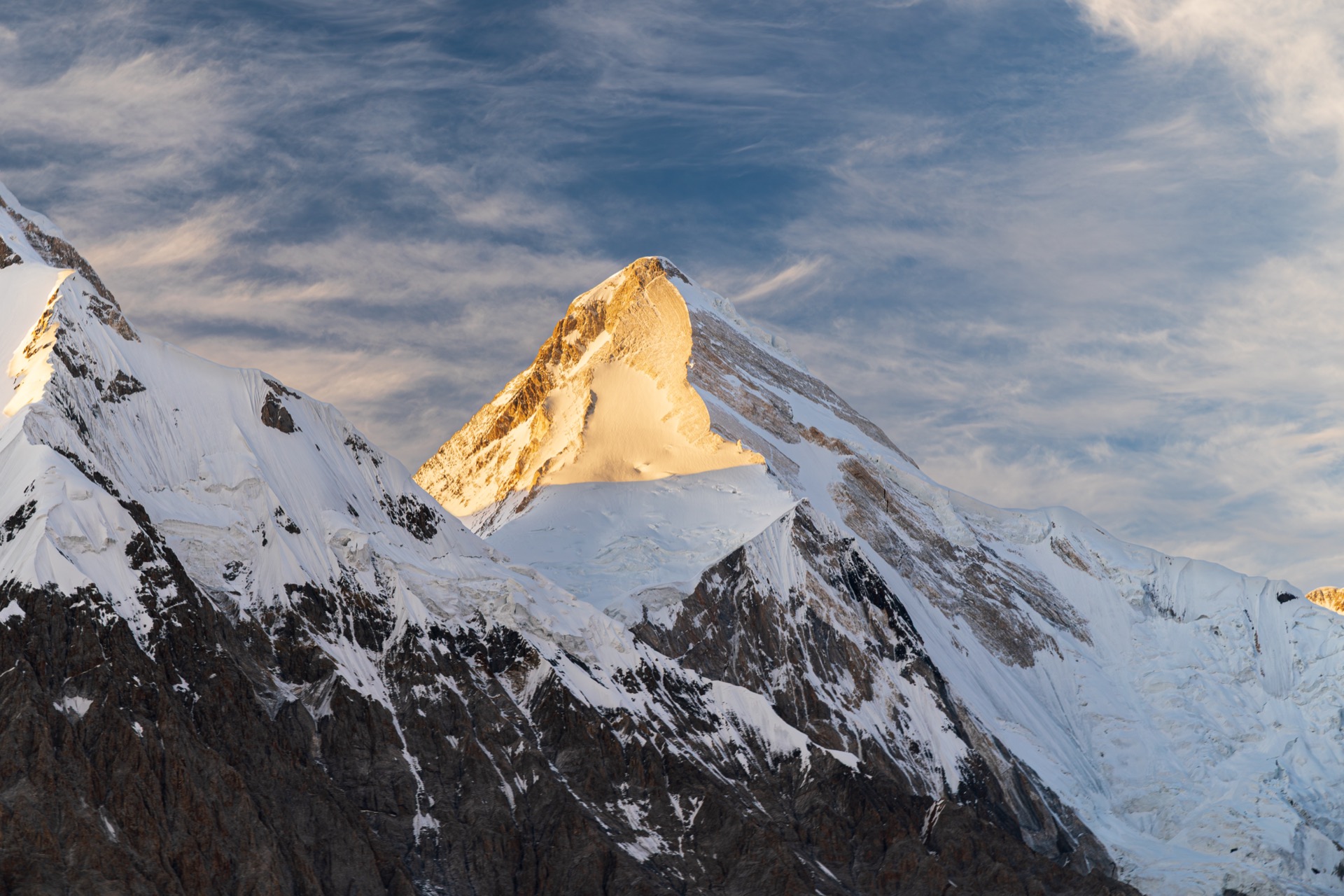
Mountain landscape of Kyrgyzstan
Kyrgyzstan travel cost

Kyrgyzstan Travel Budget Guide

Plan a Kyrgyzstan budget trip in one of Central Asia's best-value destinations—honest price bands for beds, meals, mountains, and the som in your pocket.

Currency

Kyrgyz Som (KGS)

Exchange rate

~87 KGS = $1 USD

Typical daily budget

$20–150 / day

ATMs

Cities only

Kyrgyzstan budget trip

Why costs stay surprisingly low

Travellers searching “Kyrgyzstan travel cost” or planning a Kyrgyzstan budget trip want numbers they can plug into a spreadsheet— not glossy brochure fantasy. This page translates everyday expenses into US dollars for quick comparison, while reminding you that som prices move with inflation and seasonality. Use the ranges as guardrails: your actual trip sits where your comfort choices, transport mode, and number of guided days intersect.

Kyrgyzstan rewards travellers who mix community tourism with public transport. Guesthouses and homestays—especially around Issyk-Kul, Song-Kul, and trekking trailheads—often beat international hotel chains on character and price. Meals stay modest when you rotate between bazaar snacks, ashkana trays, and the occasional Bishkek dinner splurge. The expensive line items are usually private drivers, domestic flights when you skip the long road, and multi-day guided treks where pack animals, permits, and mountain logistics justify the fee.

Read the three tiers below as personalities, not rigid boxes. A mid-range traveller might run a budget week in the mountains, then spend up for a private transfer to catch a flight. What matters is seeing where the money goes—beds, calories, kilometres, and mountain time—so you can align spending with the parts of Kyrgyzstan you care about most. When you are ready to stitch routes together, our plan your trip hub connects these costs to realistic driving days and seasons.
Daily budgets

Three ways to spend a day in Kyrgyzstan

Pick the band that matches how you like to move—then adjust up or down for flights, gear rental, and how often you hire help in the mountains.

Budget

$20–40 / day

  • Homestays & hostels ($5–15/night)
  • Local food at ashkanas ($1–3/meal)
  • Marshrutkas (shared vans, $1–5 per ride)
  • Self-guided hikes
  • Bazaar shopping

Ideal for backpackers who enjoy simple rooms, shared transport, and cooking with market produce.

Mid-range

$50–80 / day

  • Guesthouses ($20–40/night)
  • Restaurant meals ($5–10)
  • Shared taxis ($5–15)
  • Guided day trips ($20–40)
  • Room for an occasional splurge

The sweet spot for most independent travellers—comfort without a full-service price tag.

Comfortable

$100–150 / day

  • Best guesthouses & boutique stays ($40–80/night)
  • Fine dining in Bishkek ($15–25)
  • Private driver ($50–80/day)
  • Multi-day guided treks
  • Full-service tours when you want them

For travellers who prioritize private transfers, premium stays, and guided mountain time.

Line by line

Cost breakdown by category

Approximate US dollar ranges for typical services—always confirm locally, especially for transport and tours in remote areas.

Accommodation

  • Hostels$5–10
  • Homestays$10–20 (often includes meals)
  • Guesthouses$20–40
  • Hotels$40–100
  • Yurt camps$30–50 (often includes meals)

Food

  • Bazaar snacks$0.30–1
  • Ashkana meal$1–3
  • Restaurant$5–10
  • Fine dining (Bishkek)$15–25

Transport

  • Marshrutka$1–5
  • Shared taxi$5–15
  • Private taxi (Yandex Go, cities)$2–8
  • Domestic flight Bishkek–Osh$40–60
  • Car hire$30–50 / day

Activities

  • National park entry$2–5
  • Horse riding$20–40 / day
  • Guided trek$30–60 / day
  • Ski pass$15–20 / day

Connectivity

  • SIM (MegaCom or Beeline) + ~10GB data$3–5

National park fees and community tourism permits can nudge totals upward in protected areas—ask at the gate or through your guesthouse before you commit to a route. Skiing near winter resorts and heliski-adjacent experiences sit far above the activity bands shown here; treat those as specialty quotes. For food detail beyond price tags, see our Kyrgyzstan food guide.

Cards & cash

Money tips that prevent surprises

Kyrgyzstan is straightforward for travellers who respect cash culture and plan withdrawals before remote legs.

  • ATMs in Bishkek, Osh, and Karakol usually accept Visa and Mastercard; carry a backup card.
  • Before heading to remote valleys or jailoo roads, withdraw roughly 50,000–70,000 KGS so you are not hunting cash in villages.
  • Ask bank ATMs or tellers for smaller bills when possible—vendors and marshrutka drivers appreciate fives, tens, and twenties.
  • Keep a modest stash of USD or EUR in clean, large-denomination notes as backup; exchange offices in cities often beat airport kiosks.
  • Compare a few exchange offices on the same street in Bishkek; spreads are usually small but worth a glance on large withdrawals.
  • Tipping is not obligatory in Kyrgyzstan, but rounding up taxi fares, leaving 5–10% in nicer restaurants, or adding a little for guides is appreciated.

If your bank charges foreign ATM fees, withdraw less often in larger amounts while you are in cities—then store cash securely split across your pack and money belt. Pair these habits with the arrival advice in getting to Kyrgyzstan so your first hours in Bishkek include a calm stop at an ATM rather than a rushed exchange at the airport unless you truly need taxi som immediately.

Stretch your som

Ten budget-saving habits that actually work

Small choices compound across a two- or three-week loop—especially when you alternate paid activities with hiking and bazaar days.

1. Book homestays that include meals

Family stays on trekking circuits and lake routes often bundle breakfast and dinner into the nightly rate. That single line item replaces multiple restaurant stops and keeps your daily average predictable.

2. Shop produce at bazaars

Seasonal fruit, bread, nuts, and dairy cost a fraction of supermarket prices when you buy where locals buy. Pair bazaar ingredients with hostel kitchens or picnic lunches on long van days.

3. Move by marshrutka

Shared vans connect cities, towns, and many village turnoffs for a few dollars. They are slower than private cars but dramatically cheaper—ideal when your schedule has slack.

4. Wild camp where it fits your skills

Kyrgyzstan allows wild camping across much of the countryside when you follow leave-no-trace habits and respect pasture boundaries. A light tent removes a night of paid lodging on multi-day hikes.

5. Split shared taxis

On popular routes—think Bishkek–Karakol or Osh–Sary-Tash—wait for two or three other travellers to fill a car. You pay per seat, not for the whole vehicle.

6. Lean on free attractions

City walks, sunset viewpoints, bazaar people-watching, and scenic drives along Issyk-Kul or mountain passes cost nothing beyond transport. Balance paid entries with these zero-sum days.

7. Travel in shoulder seasons

Late spring and early autumn often bring lower guesthouse rates and quieter trails than peak July–August. Prices for drivers and some tours soften outside the busiest weeks.

8. Carry a local SIM instead of roaming

MegaCom and Beeline sell inexpensive prepaid packs with generous data. Offline maps and translation apps then work without international roaming surcharges.

9. Prioritize one splurge activity

Instead of many small paid extras, choose one guided trek, horse day, or cultural workshop that matters most. You spend less overall while still anchoring the trip around a memorable experience.

10. Track spending in KGS

Mentally convert large purchases back to your home currency, but keep a simple daily note in som. Small cash expenses add up fast when you are moving every day.

Side by side

Tiered daily cost comparison

What a single day costs at three budget levels — from hostel bunk to boutique suite.

CategoryBackpackerMid-rangeComfort
Accommodation$5–10$20–40$50–80
Breakfast$1–2$3–5$5–10
Lunch$1–3$4–8$8–15
Dinner$2–4$5–10$10–25
Transport$2–5$5–15$20–50
Activities$0–5$10–25$30–60
Daily total$20–35$50–80$100–150

All figures in USD. Prices are averages across regions — Bishkek restaurants cost more than village ashkanas, and Song-Kul yurt camps cost more than roadside homestays.

Worked example

Sample 2-week budget

What fourteen days actually costs, line by line, at each budget level — excluding international flights.

Backpacker

14 days

  • Accommodation (hostel/homestay mix)$140
  • Food (bazaar + ashkana + self-catering)$100
  • Transport (marshrutka + shared taxi)$65
  • Activities (park fees, 1 guided day trek)$50
  • SIM card + misc$15
Total$370

$26/day average

Mid-range

14 days

  • Accommodation (guesthouses + 2 yurt nights)$420
  • Food (restaurant meals + some self-catering)$210
  • Transport (shared taxi + 1 private transfer)$140
  • Activities (horse day, 2 guided treks, entries)$180
  • SIM card + misc$20
Total$970

$69/day average

Comfort

14 days

  • Accommodation (boutique hotels + premium yurt camps)$840
  • Food (restaurants + hotel breakfast)$385
  • Transport (private driver most days)$490
  • Activities (multi-day guided trek, horse riding, tours)$420
  • SIM card + misc$30
Total$2,165

$155/day average

These budgets assume a Bishkek–Karakol–Song-Kul–Osh loop covering both cities and remote areas. Add $5-10/day if you include a backpacking detour through extra valleys, or save $3-5/day by booking meal-inclusive homestays throughout.

Kyrgyzstan travel cost FAQ

Common questions about prices

Straight answers for spreadsheet planners—updated thinking for independent travellers heading into the Tian Shan and beyond.

How much does a Kyrgyzstan trip cost per day?+
Most independent travellers land between fifty and eighty US dollars per day including guesthouse lodging, restaurant meals, and regional transport by shared taxi or marshrutka. Backpackers who use hostels, ashkanas, and public vans can keep totals closer to twenty to forty dollars, while those booking private drivers, premium guesthouses, and guided multi-day treks often plan roughly one hundred to one hundred fifty dollars before international flights.
What is the Kyrgyz Som exchange rate to the US dollar?+
The som floats against the dollar; in recent planning cycles many travellers use roughly eighty-five to ninety Kyrgyz Som per one US dollar for mental math and rough budgeting. Always check a reliable converter on the day you withdraw or exchange cash, and remember that airport kiosks may offer slightly worse rates than city exchange offices.
Are credit cards accepted in Kyrgyzstan?+
Hotels, larger restaurants, and supermarkets in Bishkek and other cities frequently accept Visa and Mastercard, but cash remains king in villages, bazaars, marshrutkas, and small guesthouses. Treat cards as a convenience in urban blocks and plan to pay in som almost everywhere else.
How much cash should I carry outside Bishkek?+
Before leaving major towns for multi-day mountain or lake itineraries, many experienced visitors withdraw roughly fifty thousand to seventy thousand Kyrgyz Som—or the equivalent spread across two cards—so they are not dependent on a single ATM in a remote settlement. Keep small notes for drivers, market stalls, and tea houses.
Is Kyrgyzstan cheaper than Kazakhstan or Uzbekistan?+
Kyrgyzstan is generally regarded as one of the more affordable destinations in Central Asia for daily meals, local transport, and community-based tourism, though exact comparisons depend on whether you are comparing Almaty apartments to Bishkek guesthouses or Silk Road cities to mountain circuits. Your itinerary style matters more than the flag on the map.
Do I need to tip in restaurants and for guides?+
Service charges are uncommon and tipping is not strictly expected, but rounding up taxi fares, leaving loose change at casual cafes, or offering five to ten percent at nicer restaurants is welcome. For guides on day hikes or drivers on long transfers, a modest extra sum reflects heavy work at altitude—use your judgment based on service quality.
How much does a 2-week trip to Kyrgyzstan cost?+
A two-week trip ranges from roughly $370 for a strict backpacker (hostels, bazaar food, marshrutkas) to $970 for a comfortable mid-range traveller (guesthouses, restaurants, shared taxis, a couple of guided activities), and up to $2,100+ for a comfort-focused trip with private drivers, boutique stays, and multiple guided treks. These figures exclude international flights.
Is Kyrgyzstan expensive for tourists?+
No. Kyrgyzstan is one of the most affordable travel destinations in Asia. A filling local meal costs $1-3, guesthouses run $20-40 per night, and shared taxis between cities are $5-15. Even mid-range travellers rarely exceed $80 per day. The main budget pressure comes from guided multi-day treks ($30-60/day) and private drivers ($50-80/day) — skip those and your spending drops significantly.
What is the cheapest way to travel around Kyrgyzstan?+
Marshrutkas (shared minivans) are the cheapest intercity transport at $1-5 per ride. For accommodation, hostels in Bishkek and Karakol cost $5-10 per night, and wild camping is free and legal across most of the countryside. Eat at ashkanas (local canteens) for $1-3 per meal, shop at bazaars for fresh produce, and prioritise free activities like hiking, bazaar exploring, and scenic drives.