Culture & Traditions
Experience a living culture where nomadic traditions thrive in the modern world
Kyrgyzstan is one of the few places on Earth where nomadic culture remains a living tradition rather than a museum exhibit. From the felt yurts dotting alpine pastures to the ancient art of eagle hunting, the Kyrgyz people maintain customs that have endured for thousands of years while embracing the modern world.
Nomadic Traditions
Ancient practices that continue to define Kyrgyz identity
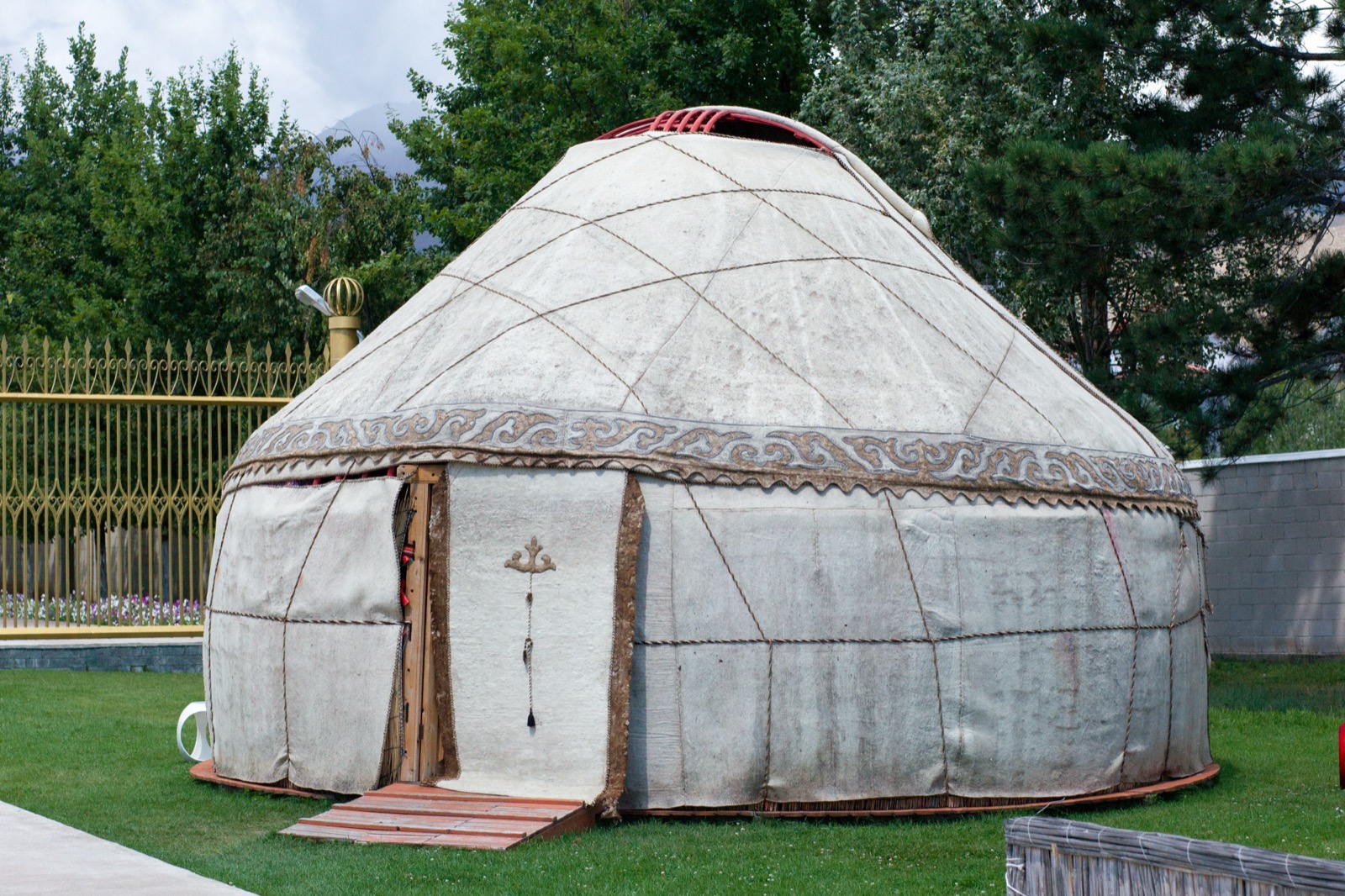
Yurt Living
The boz üy (grey house) has been home to Kyrgyz nomads for millennia. These portable felt tents represent ingenious adaptation to mountain life and remain central to Kyrgyz identity.
The yurt is featured on the Kyrgyz flag, symbolizing the nation's nomadic heritage.
Eagle Hunting (Berkutchi)
The ancient art of hunting with golden eagles has been practiced in Kyrgyzstan for over 4,000 years. Eagle hunters train their birds from a young age, forming deep bonds that last decades.
UNESCO Intangible Cultural Heritage. Best seen at Salbuurun Festival.
Horse Culture
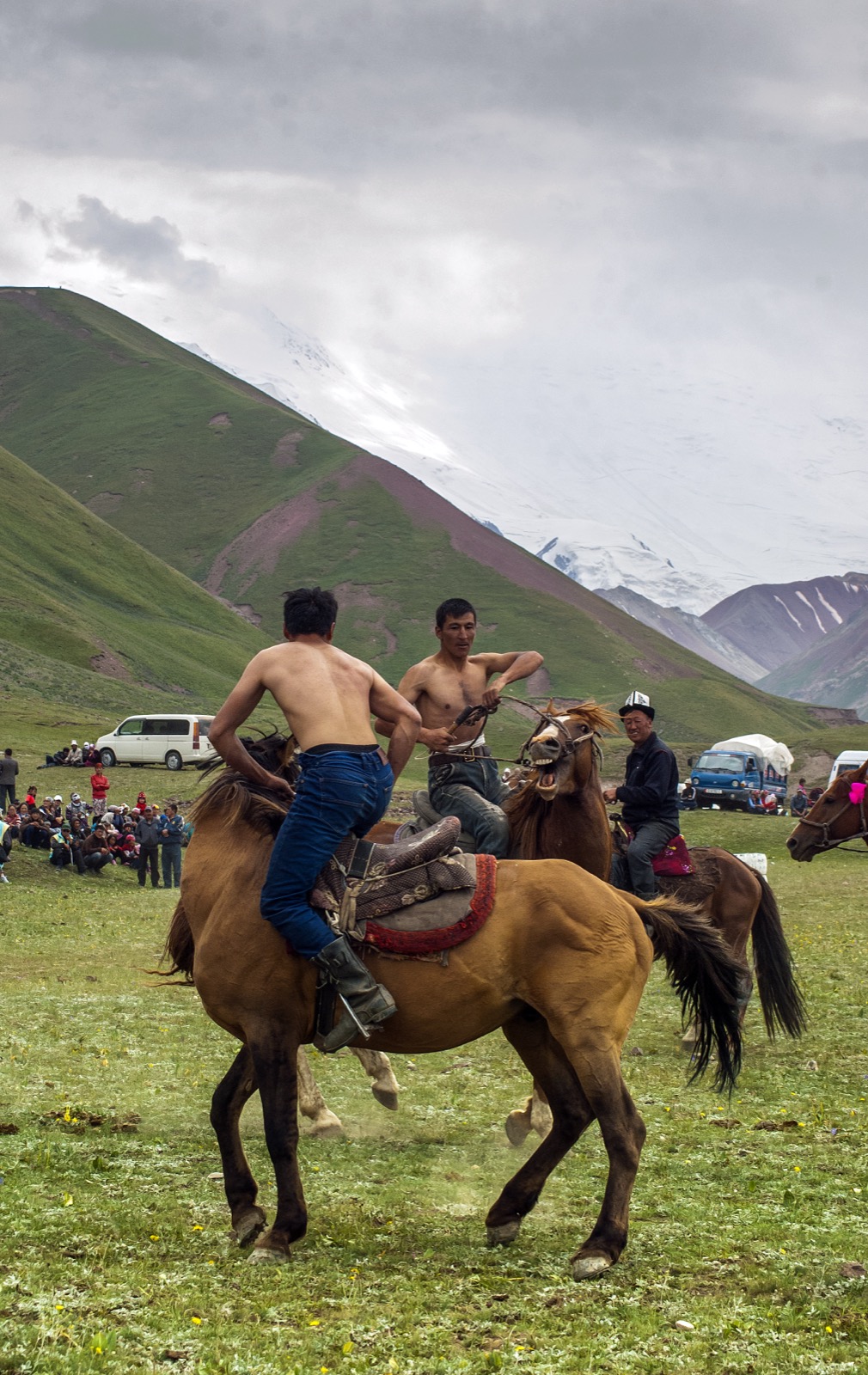
Kyrgyz people have deep connections to horses, with traditional games like Kok-Boru (polo with a goat carcass), At-Chabysh (horse racing), and Kyz-Kuumai (bride chasing).
Horses remain essential for nomadic life and national identity.
Epic of Manas
The world's longest epic poem, 20 times longer than the Iliad and Odyssey combined, tells the story of the hero Manas and Kyrgyz history.
UNESCO Masterpiece of Oral Heritage. Performed by Manaschis (storytellers).
Kyrgyz Food Guide
From steaming beshbarmak to cold ashlan-fu — a complete guide to traditional Kyrgyz dishes, where to find them, and what to pay
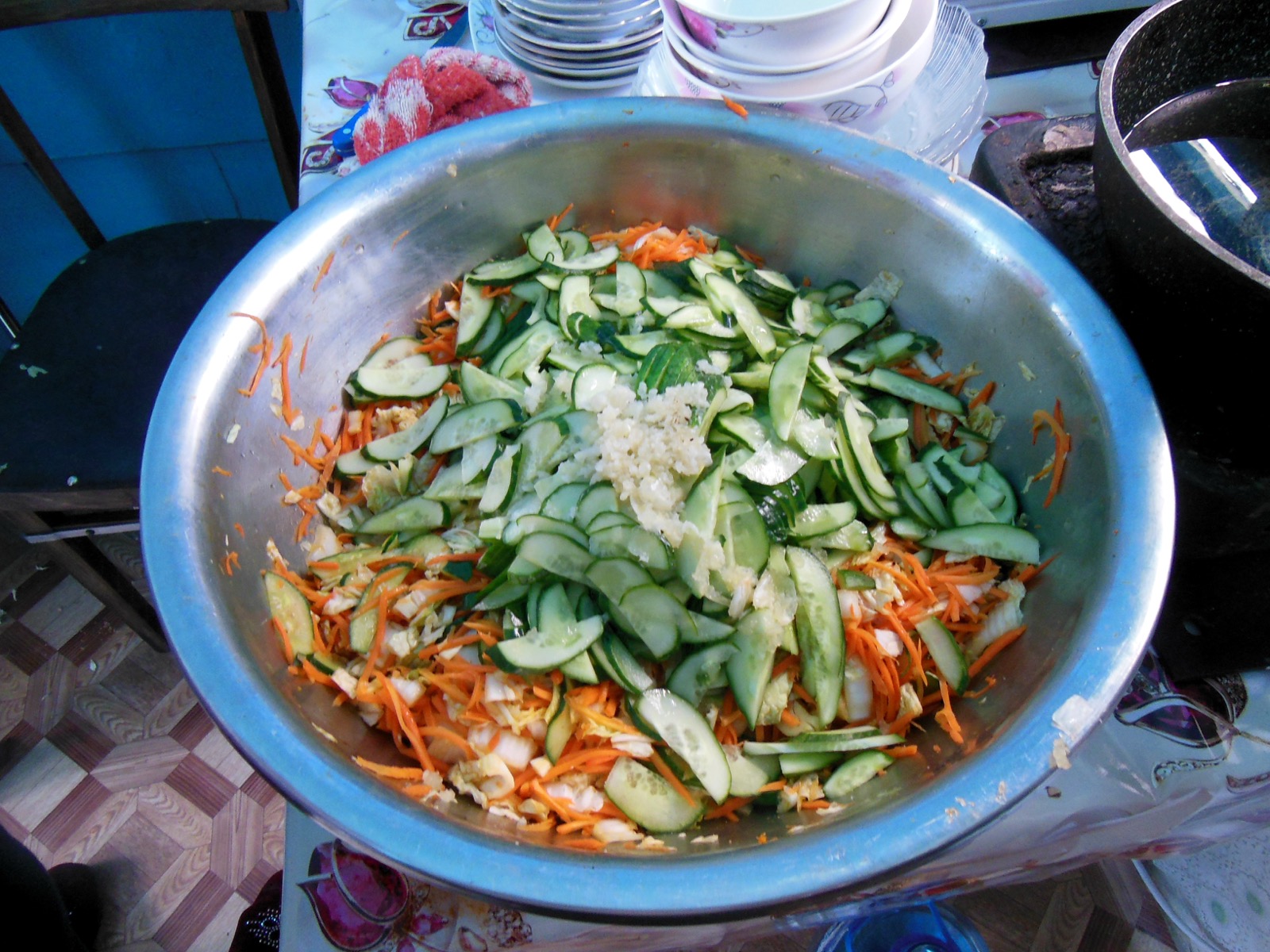
Beshbarmak
200-400 KGS ($2-5)The national dish - boiled meat (usually lamb or horse) with flat noodles, served with onion sauce. Name means "five fingers" as it's traditionally eaten by hand.
When: Celebrations, honored guests, winter
Where: Any local restaurant; best at family homestays
Kumys
50-100 KGS ($0.50-1)Fermented mare's milk, slightly alcoholic and tangy. A traditional nomadic drink believed to have health benefits.
When: Summer months when mares are milking
Where: Roadside vendors along highways, jailoo camps
Plov (Osh)
150-300 KGS ($2-3)Central Asian rice pilaf with meat, carrots, and spices. Each region has its own variation.
When: Celebrations, Friday gatherings
Where: Plov centers, bazaar food courts, any restaurant
Lagman
120-250 KGS ($1.50-3)Hand-pulled noodles in meat and vegetable soup or fried. A Dungan influence that's become a staple.
When: Year-round, especially lunch
Where: Dungan restaurants in Karakol, Bishkek, Tokmok
Samsa
30-60 KGS ($0.30-0.70)Baked pastries filled with meat and onion, similar to samosas. Sold fresh from tandoor ovens.
When: Street food, any time
Where: Bakeries, bazaars, roadside tandoors
Ashlan-fu
60-100 KGS ($0.70-1.20)Cold noodle soup with vinegar, chili, and starch jelly. Refreshing and spicy — the signature street food of Karakol and Bishkek.
When: Year-round, best in summer
Where: Karakol bazaar (original), Osh Bazaar in Bishkek
Manty
100-200 KGS ($1-2.50)Large steamed dumplings filled with seasoned lamb and onion. Served with sour cream or chili oil.
When: Year-round
Where: Restaurants, bazaar canteens, homestays
Kuurdak
200-350 KGS ($2.50-4)Fried meat (lamb, horse, or beef) with potatoes and onions. A hearty mountain comfort dish.
When: Year-round, especially in colder months
Where: Yurt camps, local eateries
Boorsok
30-80 KGS ($0.30-1)Deep-fried dough pieces served with jam, honey, or kaymak (clotted cream). Present at every celebration and meal.
When: Always; essential at holidays and feasts
Where: Everywhere — bazaars, homes, restaurants
Kymyz Shai (Tea Culture)
Free (always offered to guests)Black or green tea served in a piala (handleless bowl). Never filled to the top — a nearly-full bowl means the host wants you to leave. A half-full bowl means welcome, stay longer.
When: Every meal, every visit, always
Where: Everywhere in Kyrgyzstan
Dining Etiquette
- •Always accept tea when offered - it's a sign of hospitality
- •The eldest person at the table is served first
- •Bread should never be placed upside down
- •Finishing all food shows appreciation for the host
Kyrgyzstan Festivals & Events
From Nooruz spring celebrations to the World Nomad Games — month-by-month guide to Kyrgyzstan's cultural calendar
Nooruz
Spring equinox celebration with traditional foods like sumalak and nooruz kozhe, horse games, yurt raising, and community festivities across every city and village.
Travel tip: Arrive a day early -- Bishkek's Ala-Too Square hosts the biggest public celebration. Dress warmly; March nights are cold.
Aigul Flower Season
The rare aigul (Fritillaria eduardii) blooms only in the mountains of southern Kyrgyzstan -- a striking red-orange flower found nowhere else.
Travel tip: Combine with a Batken trip. Confirm bloom timing with local contacts; peak lasts roughly 2 weeks.
Silk Road Festival
Cultural exchange festival celebrating Osh's 3,000-year Silk Road heritage with music, crafts, food, and performances.
Travel tip: Osh is sweltering in summer; bring sun protection and hydrate. Stay near Sulaiman-Too for easy access.
At-Chabysh Horse Racing
Traditional long-distance horse racing events held on high pastures during peak summer nomadic season.
Travel tip: Reach Son-Kul via 4WD only; confirm road conditions. Bring warm layers -- altitude keeps nights near freezing even in July.
Salbuurun Festival
Traditional hunting festival showcasing berkutchi (eagle hunters), taigan (hunting dogs), and mounted archery -- a living museum of nomadic skills.
Travel tip: Photography is welcome; ask permission before shooting close-ups of hunters and eagles.
Independence Day
National celebrations with parades, concerts, Kok-Boru exhibitions, and cultural events centered on Ala-Too Square.
Travel tip: Hotels book up; reserve at least 2 weeks ahead. Great for cultural immersion without leaving the capital.
World Nomad Games
The Olympic Games of nomadic civilization. Kok-Boru, eagle hunting, wrestling, horse games, and ethno-villages from 80+ countries.
Travel tip: Book Issyk-Kul accommodation months in advance. Shuttles run from Bishkek; flying into Tamchy airstrip may also be possible.
Karakol Ski Season Opens
First reliable snow for skiing and freeriding in the Tian Shan. Affordable lift passes, empty slopes, and growing backcountry scene.
Travel tip: Gear rental is available in Karakol town. Jyrgalan offers cat-skiing and backcountry touring for experienced riders.
World Nomad Games
The world's largest celebration of nomadic culture, featuring traditional sports and games from across Central Asia. Witness Kok-Boru (horse polo with a goat), eagle hunting demonstrations, wrestling, archery, and much more.
When
September (every 2 years)
Where
Cholpon-Ata, Issyk-Kul
Handmade Kyrgyz Artisanship
UNESCO-listed felt making, nomadic silver work, and textile traditions kept alive by women artisans across the country. These are meaningful souvenirs that directly support local communities.
Shyrdak
$50-300 depending on size and detailUNESCO-listed felt carpets with bold geometric patterns cut from contrasting colors and stitched together. Each rug takes 1-2 weeks to make by hand and requires the wool of approximately five sheep. Motifs like ram's horns, mountains, and water waves carry symbolic protective meaning.
Where to buy: Kochkor (strongest tradition), At-Bashy, Naryn, and cooperatives like Altyn Kol
Ala-Kiyiz
$30-200 depending on sizePressed felt carpets with flowing, organic designs created by layering dyed wool onto a plain base, soaking with soap and water, and rolling repeatedly until the pattern fuses. Softer and more fluid than shyrdak, these carpets are on UNESCO's list of intangible cultural heritage in need of urgent safeguarding.
Where to buy: Rural workshops throughout Naryn, Issyk-Kul, and Jalal-Abad oblasts
Kalpak
$10-40The iconic white felt hat with black embroidered trim is a symbol of Kyrgyz identity. Worn by men across the country, each region's kalpak has subtle pattern differences. March 5 is National Kalpak Day.
Where to buy: Osh Bazaar (Bishkek), Osh city bazaar, souvenir shops nationwide
Kurak (Patchwork)
$15-80Colorful patchwork quilts, bags, and home textiles made from fabric scraps. A communal women's craft tradition, kurak items are both practical and decorative, with each piece unique.
Where to buy: Bazaars in Bishkek and Osh, CBT craft shops in Kochkor
Leather & Silver Work
$10-150Handcrafted leather belts, horse tack, and silver jewelry with traditional nomadic motifs. Silver artisans in the south produce intricate earrings, bracelets, and belt buckles with turquoise and coral inlays.
Where to buy: Osh Bazaar, artisan workshops in Bishkek's Dordoi market, and craft cooperatives
Bishkek Restaurant & Food Guide
From street-side ashlan-fu to third-wave coffee shops — Bishkek's food scene is the most diverse in Central Asia
Traditional Kyrgyz
Upscale Kyrgyz & Uzbek
Beautifully plated beshbarmak and plov. Carved-wood interior.
Classic Kyrgyz
Giant portions of laghman and manty. Worker lunch crowd — a good sign.
Street food
Samsa from the tandir ovens, ashlan-fu, shashlik. Arrive hungry.
Dungan & Chinese
Dungan noodles
Hand-pulled ashlan-fu and laghman. The original Bishkek noodle institution.
Chinese-Kyrgyz fusion
Hot pot, dumplings, and stir-fries. Popular with expats.
Dungan street food
Steamed buns (baozi) and cold noodles on makeshift tables.
Georgian & Caucasian
Georgian-Uzbek
Khachapuri, khinkali, and plov under one roof. Wine list too.
Georgian
Lobio, satsivi, chacha shots. A Bishkek institution since 2005.
Shashlik house
Outdoor charcoal grills. Order by weight. Best in summer evenings.
International & Modern
German-style brewery
Craft beer brewed on-site. Solid burgers and schnitzels.
Specialty coffee
V60 pour-overs, flat whites, and pastries. Laptop-friendly.
Japanese
Sushi and ramen. Surprisingly good for a landlocked country.
Budget Eats (under $3)
Street food
80-120 KGS. Cold noodle soup — Bishkek's signature dish.
Street food
50-80 KGS each. Flaky lamb or pumpkin pastries from clay ovens.
Soviet-style cafeteria
150-300 KGS for a full tray. Point at what you want.
Nightlife & Drinks
Craft beer bar
Kyrgyz microbrews and imports on tap. Chill terrace.
Live music bar
Rock bands on weekends. The expat gathering point.
Cocktail lounge
Rooftop views of the Tian Shan. Dress code enforced.
Pro Tip: For the best food experience, visit Osh Bazaar in the morning for street food, have Dungan noodles for lunch, and book a Georgian dinner. Budget ~1,500-2,500 KGS ($17-28) for a full day of great eating.
Silk Road Heritage in Kyrgyzstan
Kyrgyzstan sat at the crossroads of the ancient Silk Road — caravanserais, petroglyphs, and Silk Road cities still mark the landscape
Tash-Rabat Caravanserai
15th centuryA remarkably preserved stone inn in a remote Naryn valley at 3,200 m. Merchants on the route between Kashgar and Fergana sheltered here. The underground chambers and domed corridors are still intact.
Naryn Oblast
Osh — 3,000-Year-Old Bazaar City
1,000 BC — presentOne of the oldest continuously inhabited cities in Central Asia. Sulaiman-Too Sacred Mountain, a UNESCO World Heritage Site, has been a pilgrimage destination for millennia. The bazaar has traded goods since before the Silk Road had a name.
Osh Oblast
Burana Tower (Balasagun)
11th centuryThe remnant of a Karakhanid minaret in the ruined city of Balasagun. Once a major Silk Road junction in the Chuy Valley. The surrounding field of bal-bal stone warriors dates back to the 6th-8th century Turkic era.
Chuy Oblast (day trip from Bishkek)
Saimaluu-Tash Petroglyphs
3,000 BC — 8th century ADOver 10,000 rock carvings at 3,000 m in the Fergana Range. Scenes of hunting, worship, and daily life spanning Bronze Age to medieval periods — one of the largest petroglyph sites in Central Asia.
Jalal-Abad Oblast
Uzgen Minaret & Mausolea
11th-12th centuryA Karakhanid-era minaret and three ornate mausoleums in the Fergana Valley. The brickwork and terracotta decoration are among the finest surviving examples of medieval Central Asian architecture.
Osh Oblast
Manas Ordo (Talas)
14th century mausoleum / mythic eraThe sacred complex dedicated to the epic hero Manas. Whether historical figure or mythological, Manas embodies the Kyrgyz spirit. The gumbez (mausoleum) is set against the Talas Valley mountains.
Talas Oblast
The Silk Road Through Kyrgyzstan
Two major Silk Road routes passed through modern Kyrgyzstan. The northern route crossed the Chuy Valley (Balasagun → Bishkek area) and headed through the Boom Gorge to Issyk-Kul. The southern route ran through the Fergana Valley (Osh, Uzgen) and over the high passes — Torugart and Irkeshtam — into Kashgar, China. Both routes are driveable today and connect the historical sites above into a single Silk Road itinerary.
Handicrafts & Shopping Guide
What to buy, where to find it, and what to pay — from UNESCO-listed felt carpets to honey, kalpak hats, and carved wood
Shyrdak (Felt Carpet)
The crown jewel of Kyrgyz craftsmanship. Two-layered felt carpets with geometric patterns inspired by mountain animals, rivers, and celestial symbols. UNESCO-listed since 2012. Each takes 2-4 weeks to make by hand. Smaller pieces (30×50 cm) fit in luggage; larger ones can be shipped.
Where: Osh Bazaar "Kyyal" section, Tumar Art Salon (Bishkek), handmade.kg shop, CBT workshops in Kochkor. Bargain at bazaars; fixed price at boutiques.
💡 Kochkor village is the felt-making capital — you can watch artisans work and buy directly. Prices are 30-50% lower than Bishkek boutiques.
Ala-Kiyiz (Pressed Felt)
Unlike shyrdak (which is cut and stitched), ala-kiyiz is made by pressing colored wool into wet felt — creating softer, more abstract patterns. Also UNESCO-listed. Lighter and easier to roll for travel. Used as wall hangings and floor coverings in yurts.
Where: Kochkor CBT workshops, Osh Bazaar, Tumar Art Salon. Arslanbob women's cooperatives also produce them.
💡 Ask for a demonstration — watching ala-kiyiz being made is a memorable cultural experience.
Kalpak (Traditional Hat)
The iconic white felt hat worn by Kyrgyz men. Embroidered patterns indicate regional identity. The kalpak is a national symbol — it has its own holiday (March 5, National Kalpak Day). Available in classic white-with-black-trim and elaborately embroidered ceremonial versions.
Where: Every bazaar in the country. Osh Bazaar (Bishkek) and Jayma Bazaar (Osh) have the widest selection. Also sold at roadside stalls near Issyk-Kul.
💡 Ceremonial kalpaks with heavy embroidery make better souvenirs than plain daily-wear versions. Haggle — first price is always 2-3x fair value.
Honey & Dried Fruits
Kyrgyz mountain honey is exceptional — wildflower varieties from Talas and Suusamyr are among the best in Central Asia. Batken dried apricots are legendary. Walnuts from Arslanbob are the world's genetic origin of cultivated walnuts. All make excellent portable gifts.
Where: Osh Bazaar (Bishkek), Talas bazaar (cheapest for honey), Arslanbob village (walnut season: Sept-Oct), Batken bazaar (apricots). One Village One Product shops in Bishkek.
💡 Buy honey in sealed jars for travel. Talas honey is widely considered the best — look for "Таласский мёд" labels.
Leather & Embroidered Goods
Hand-tooled leather belts, horse whips, and saddle accessories reflect nomadic heritage. Embroidered cushion covers, bags, and wall panels use traditional Kyrgyz motifs. Quality varies enormously — high-end artisan work is stunning; mass-produced tourist items less so.
Where: Tumar Art Salon (highest quality, Bishkek), OVOP/One Village One Product shops, Osh Bazaar craft section. Karakol has a few good leather workshops.
💡 Tumar Art Salon is a social enterprise employing women artisans — prices are higher but quality and ethics are guaranteed.
Kyrgyz Cognac & Spirits
Kyrgyz cognac (branded as "Kyrgyz Aragysy") has a loyal following in Central Asia. Made from local grapes, aged in oak. Also look for Kyrgyz balsam — herbal liqueurs made from mountain herbs and honey. Makes an unusual and very Kyrgyz gift.
Where: Branded stores in Bishkek (Ak-Bulak, Kyrgyz Balsam shops), supermarkets (Frunze, Narodniy), duty-free at Manas Airport.
💡 Avoid buying at the airport — prices are 2-3x city shops. Buy in Bishkek and pack carefully in checked luggage.
Bargaining Guide
- Bazaars: Bargaining is expected and normal. Start at 50-60% of the asking price and settle around 70-80%. Be friendly — aggressive haggling is counterproductive.
- Art shops (Tumar, OVOP): Fixed prices. These are social enterprises supporting artisans — the price is the price and it's fair.
- CBT workshops: Prices are usually fair and non-negotiable. You're buying direct from the maker.
- Supermarkets: Fixed prices. Good for honey, cognac, and packaged foods.
- Airport: Avoid. Everything is 2-3x city prices.
Kyrgyzstan in the Media & Creator Spotlight
From National Geographic to independent travel blogs — here's what the world's media and creators are saying about Kyrgyz culture
Capturing Nomadic Life in Kyrgyzstan
by Karolina Wiercigroch
A photo essay documenting daily pastoral life — milking mares, felt-making, and communal meals in mountain jailoos. The piece highlights how nomadic traditions persist alongside modernity.
Women Artisans Keeping Kyrgyzstan's Felting Tradition Alive
by Vogue Editorial
Profiles women-led cooperatives in rural Kyrgyzstan creating shyrdak and ala-kiyiz felt carpets — a UNESCO-listed craft tradition passed through generations.
The Unlikely Country That Lives Up to Its Instagram Reputation
by Staff
Reports on the tourism boom driven by influencer content — drone shots of alpine lakes, yurt camps, and wild horses. Notes that Kyrgyzstan is rare among "Instagram destinations" in actually delivering on the visual promise.
Beautiful Unspoiled Landscape of Kyrgyzstan
by Albert Dros
A viral photo series of wild horses, turquoise lakes, and dramatic canyons. Dros returned to Kyrgyzstan multiple times, calling it one of the most photogenic countries on Earth. Promoted by the Ministry of Tourism.
Kyrgyz & Kazakh Yurt-Making — Intangible Cultural Heritage
by UNESCO ICH
Official recognition of traditional yurt-building knowledge and skills as Intangible Cultural Heritage of Humanity. Documents the craft from frame construction to felt covering and interior decoration.
Jyrgalan: Hope in a Forgotten Corner of Kyrgyzstan
by Wild Frontiers Blog
How a depressed Soviet coal mining village became an international adventure tourism hub through community-based tourism, marked trails, and cat-skiing — a model for sustainable mountain development.
Kyrgyz Music & Performing Arts
From the haunting resonance of the komuz to the epic recitation of Manas — Kyrgyz musical traditions are alive and performed daily
Komuz
InstrumentThe three-stringed fretless lute is the national instrument of Kyrgyzstan. Carved from a single piece of apricot wood, the komuz produces a warm, resonant tone that mimics galloping horses and flowing water. Virtuoso performers use techniques like behind-the-head playing and harmonic overtones.
Where to experience: Philharmonic Hall (Bishkek), yurt camps, cultural festivals, street performers in Ala-Too Square
Tip: A hand-carved komuz makes an excellent souvenir — available at Osh Bazaar and craft shops for 3,000-15,000 KGS.
Manas Epic Recitation
Oral TraditionThe Epic of Manas is the world's longest epic poem — 20 times longer than the Iliad and Odyssey combined. Professional reciters (Manaschi) perform from memory in a dramatic, trance-like state, often for hours. UNESCO recognizes it as Intangible Cultural Heritage.
Where to experience: Philharmonic Hall (Bishkek), Manas Ordo complex (Talas), World Nomad Games, cultural festivals
Tip: Even 15 minutes of a live Manas recitation is powerful — the emotional intensity transcends language.
Kyl Kiyak
InstrumentA two-stringed bowed instrument with a hauntingly mournful tone, traditionally played to accompany epic poetry and folk songs. The body is covered with camel skin. Less common than the komuz but deeply expressive.
Where to experience: Philharmonic performances, ethnographic museums, Manas festivals
Tip: Combined with komuz in ensemble performances for a fuller nomadic sound.
Throat Singing (Köömöi)
Vocal ArtKyrgyz throat singing produces multiple simultaneous pitches from a single vocalist — a deep drone with overtone melodies hovering above. Connected to shamanic traditions and imitation of natural sounds (wind, water, animals).
Where to experience: Cultural festivals, some yurt camp evening performances, Bishkek concert halls
Tip: Ask your yurt camp host if any local performers are available — many shepherds practice informally.
Akin (Improvised Poetry Battles)
Performance ArtTwo poets (akyns) face each other and improvise witty, musical verses on the spot, competing for audience approval. Topics range from philosophy to politics to humor. Accompanied by komuz, with each round escalating in complexity.
Where to experience: World Nomad Games, Nooruz celebrations (March), regional festivals
Tip: Even without understanding Kyrgyz, the rhythmic delivery and audience reactions are entertaining.
Bishkek Concert Scene
ModernThe Kyrgyz National Philharmonic hosts regular traditional music concerts. The contemporary scene includes Kyrgyz folk-rock fusion bands, jazz clubs, and underground electronic music. The annual Spirit of Tengri festival blends traditional nomadic music with modern production.
Where to experience: Philharmonic Hall, Metro Pub (live rock), jazz bars on Chuy Avenue
Tip: Check the Philharmonic Hall schedule online — evening performances cost 200-500 KGS and showcase world-class traditional musicians.
Essential Kyrgyz & Russian Phrases
Kyrgyz and Russian are both official languages. In cities, Russian is widely spoken. In rural areas, Kyrgyz dominates. Even a few words earn enormous goodwill.
Greetings
Getting Around
Food & Dining
Emergencies
Trekking & Outdoors
Social & Homestays
Pro Tip: The Three Magic Words
These three words will open every door in Kyrgyzstan:
Cultural Etiquette
Tips for respectful travel in Kyrgyzstan
Greetings
Shake hands with men. With women, wait for them to extend their hand first.
Shoes
Always remove shoes when entering a home or yurt.
Photography
Ask permission before photographing people, especially in rural areas.
Gifts
Bringing small gifts when visiting homes is appreciated but not required.
Explore Kyrgyz Heritage
Dedicated guides for the traditions and history that make Kyrgyzstan unique.
Nomadic Culture
Yurt stays, eagle hunting, felt-making, horse games, and the Manas epic.
Silk Road Sites
Tash-Rabat, Burana Tower, Sulaiman-Too, and a 7-10 day heritage itinerary.
Food & Cuisine
10 must-try dishes, drinks, where to eat, prices, and food etiquette.
Festivals & Events
Nooruz, World Nomad Games, Salbuurun, Kok-Boru, and 8 more — 2026 calendar.
Horse Riding
6 horse trek routes, CBT booking, beginner tips, and nomadic horse culture.
Souvenirs & Shopping
12 souvenir types, real prices, where to buy, bargaining guide, and customs rules.