Experiences
From high-altitude treks to ancient traditions, discover unforgettable adventures
Top Experiences
The must-do activities in Kyrgyzstan
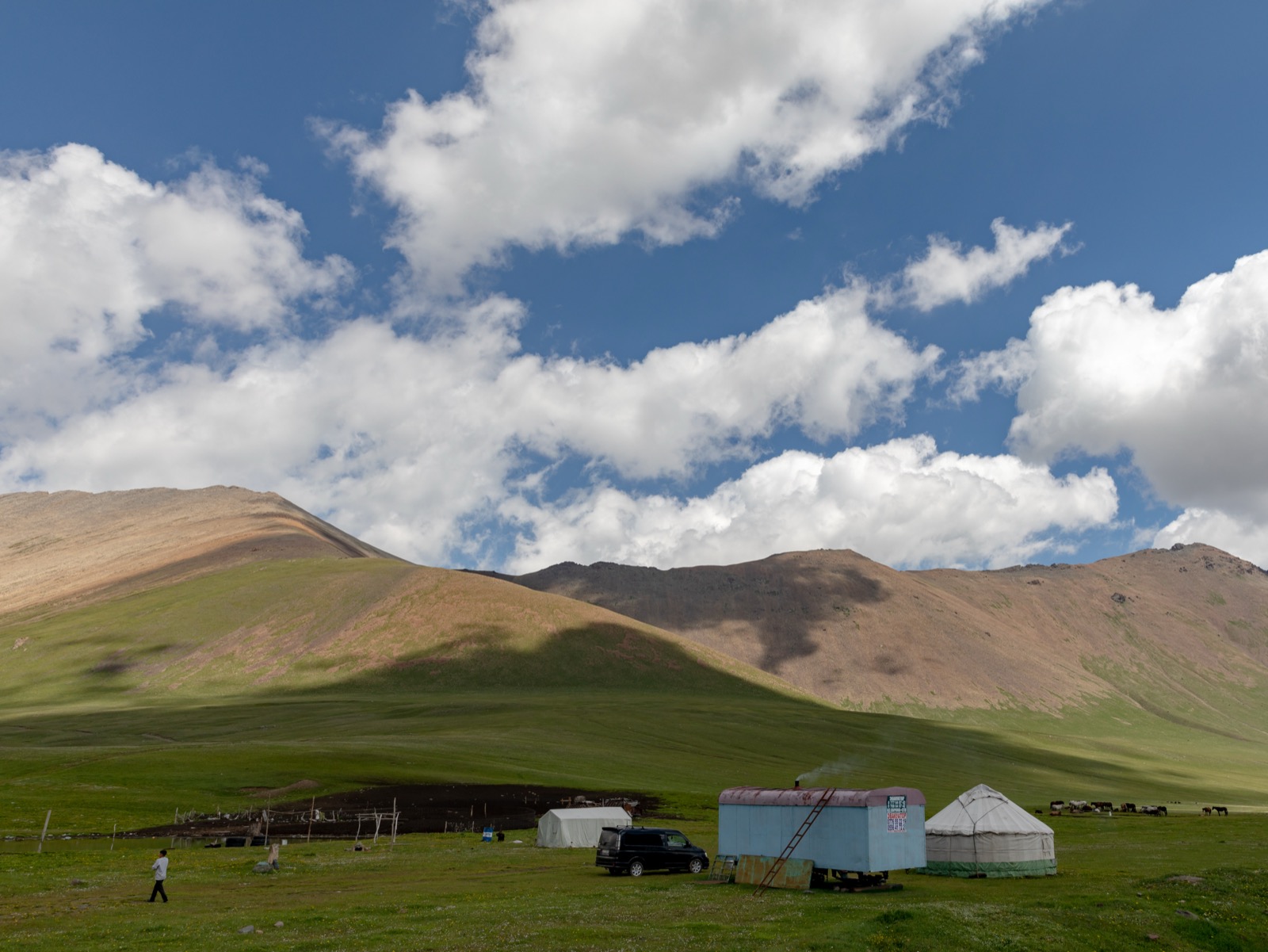
Trekking & Hiking
From day hikes to multi-week expeditions, Kyrgyzstan offers some of the world's most spectacular trekking routes through pristine alpine wilderness.
Difficulty
Easy to Expert
Best Season
June - September
Highlights
- Ala-Kul Lake trek (3 days)
- Song-Kul to Tash-Rabat route
- Karavshin climbing expeditions
- Ala-Archa day hikes
Skiing & Winter Sports
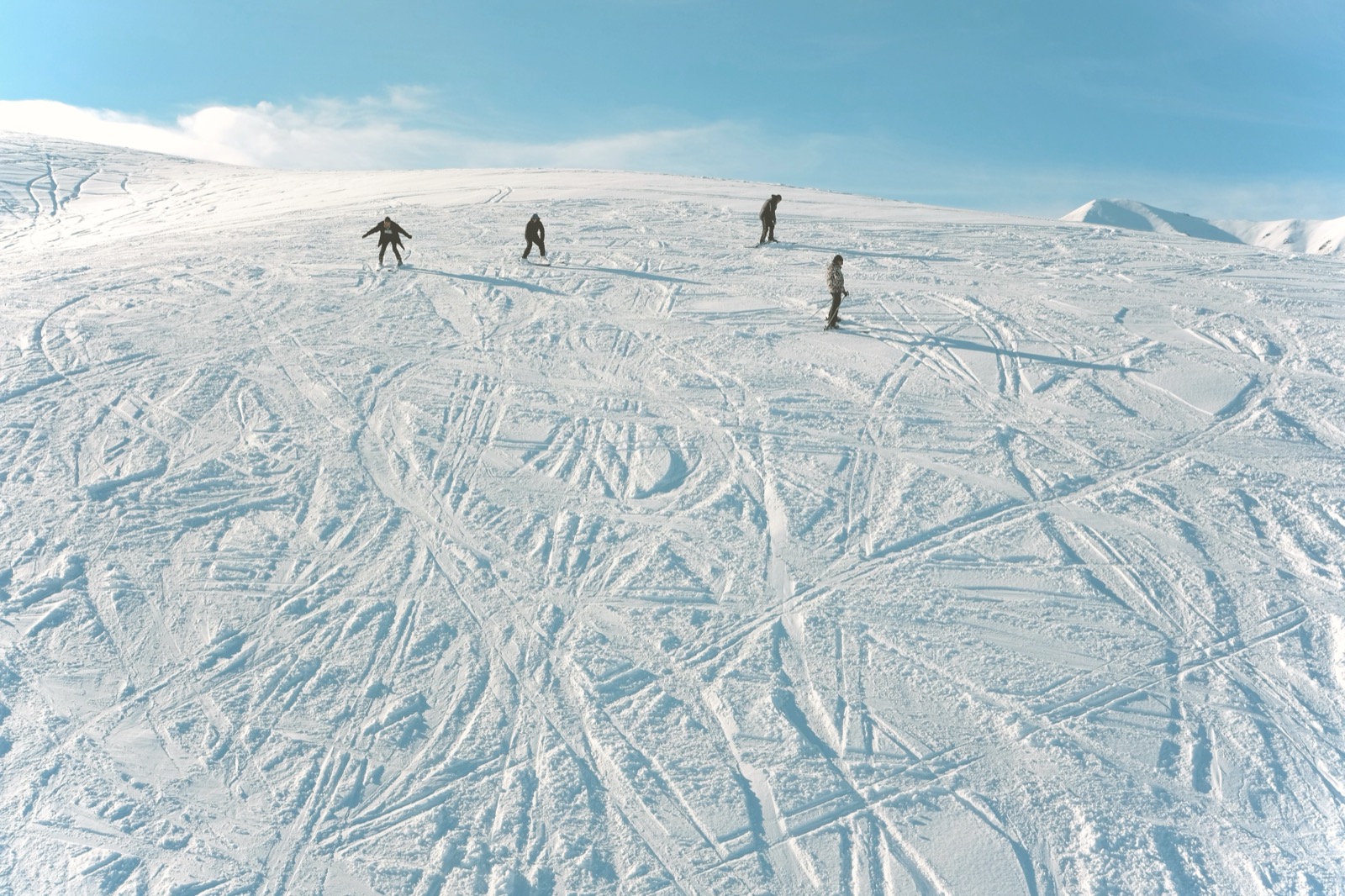
Affordable skiing with incredible powder, short lift lines, and stunning Tian Shan mountain views. Backcountry skiing paradise.
Difficulty
Beginner to Expert
Best Season
December - March
Highlights
- Karakol Ski Base
- Jyrgalan freeride skiing
- Backcountry touring
- Heli-skiing options
Eagle Hunting
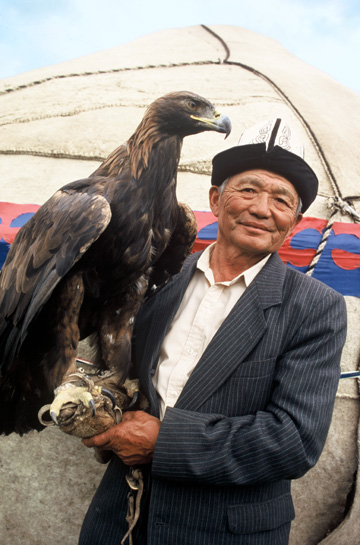
Witness the ancient art of berkutchi - hunting with golden eagles. A 4,000-year-old tradition passed down through generations.
Difficulty
Easy (观看)
Best Season
August - October
Highlights
- Meet eagle hunters
- Watch demonstrations
- Learn the history
- Salbuurun Festival
Yurt Stays
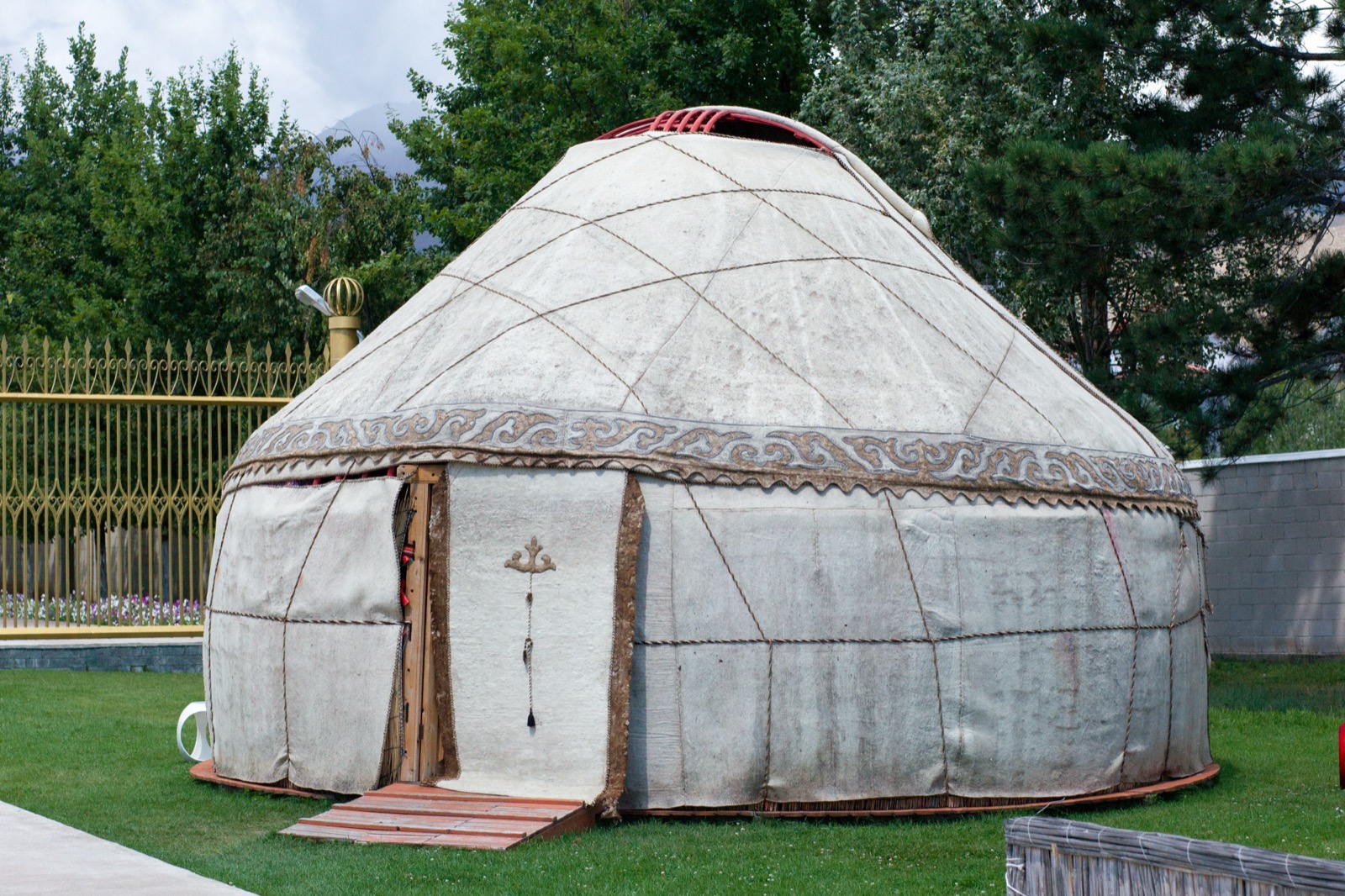
Sleep in traditional felt yurts with nomadic families. Experience authentic hospitality, home-cooked meals, and life on the jailoo.
Difficulty
Easy
Best Season
June - September
Highlights
- Song-Kul yurt camps
- Tash-Rabat stays
- Family homestays
- Cooking classes
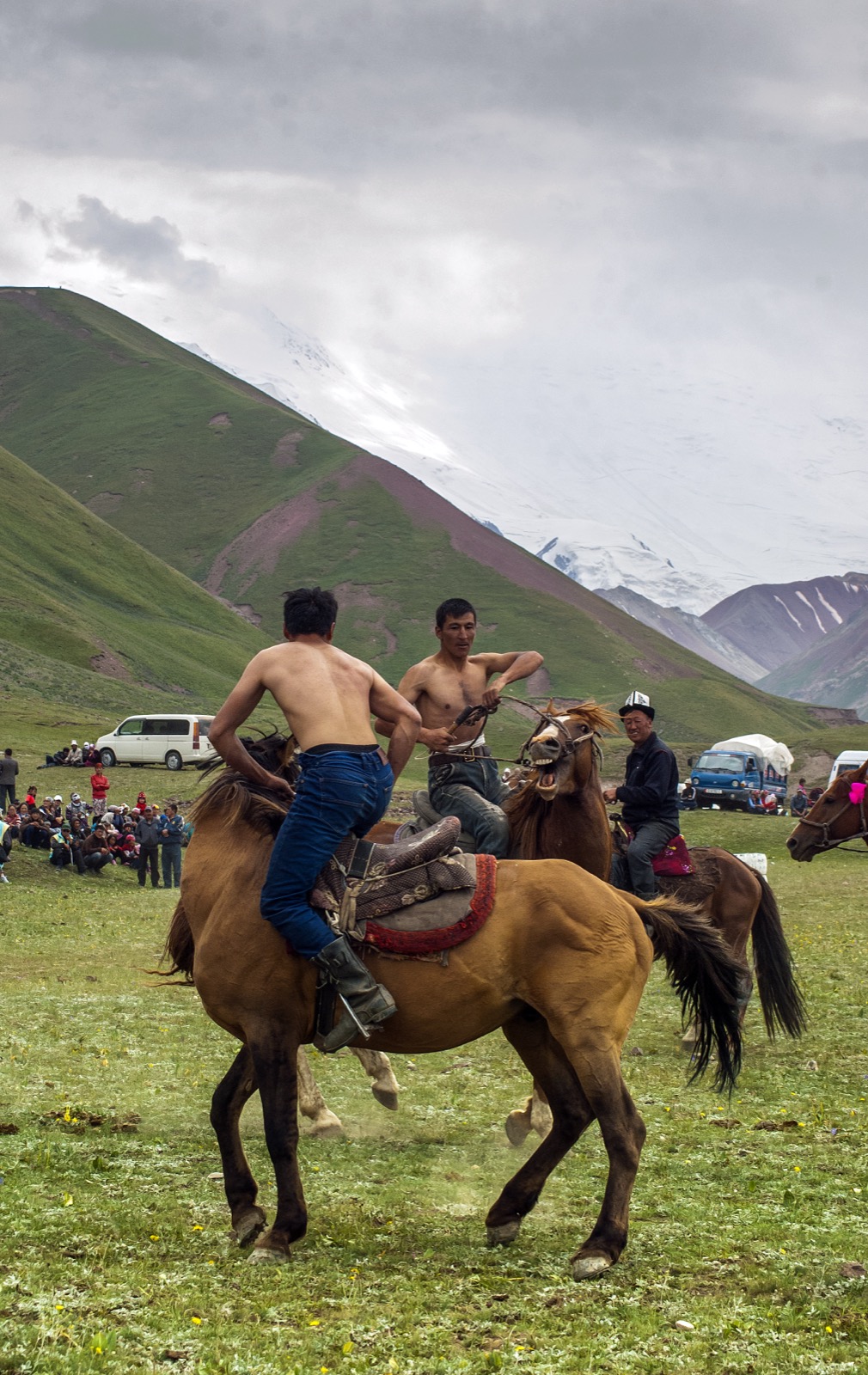
Horseback Riding
Experience Kyrgyzstan the traditional way - on horseback. Multi-day treks, lessons, or just a day ride across alpine meadows.
Difficulty
Beginner to Advanced
Best Season
May - October
Highlights
- Multi-day horse treks
- Jailoo riding
- Horse games lessons
- CBT organized tours
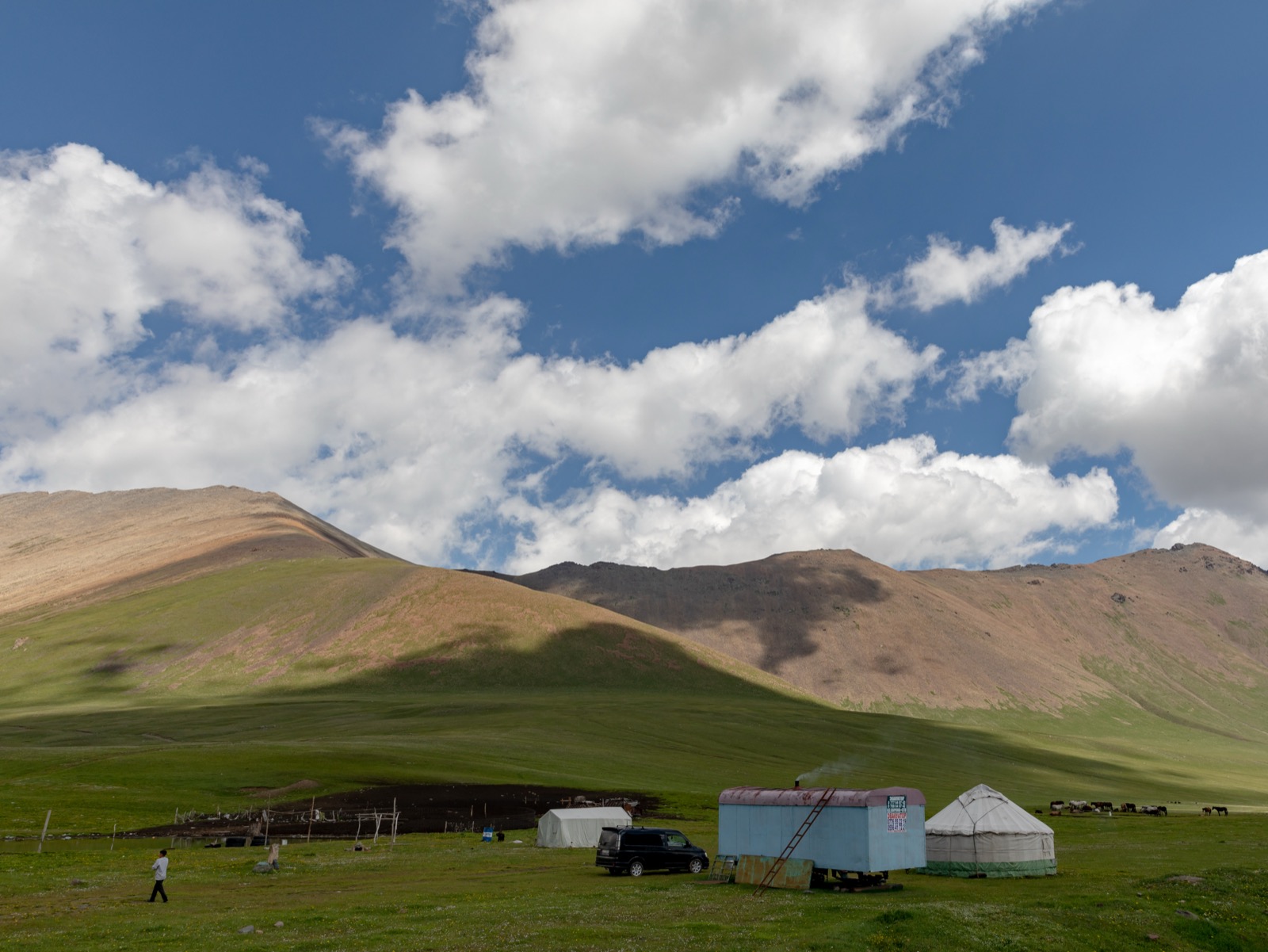
Wildlife Watching
Spot snow leopards, Marco Polo sheep, golden eagles, and more in Kyrgyzstan's protected wilderness areas.
Difficulty
Moderate to Challenging
Best Season
March - April, September - October
Highlights
- Snow leopard tracking
- Bird watching
- Ibex and argali sheep
- Sarkent Nature Park
Other Activities
Even more ways to experience Kyrgyzstan
Mountain Climbing
Peak bagging in the Tian Shan
Fishing
Trout fishing in alpine lakes
Hot Springs
Natural thermal baths
Off-Road Tours
4WD adventures on mountain roads
Photography Tours
Capture stunning landscapes
Food Tours
Taste traditional cuisine
Heliskiing
Untouched powder runs
Camping
Wild camping anywhere
Festivals & Seasonal Events
Kyrgyzstan's calendar is packed with nomadic festivals, seasonal celebrations, and cultural gatherings worth building a trip around.
Nooruz
Nationwide
Spring equinox celebration with traditional foods like sumalak and nooruz kozhe, horse games, yurt raising, and community festivities across every city and village.
Tip: Arrive a day early -- Bishkek's Ala-Too Square hosts the biggest public celebration. Dress warmly; March nights are cold.
Aigul Flower Season
Batken region
The rare aigul (Fritillaria eduardii) blooms only in the mountains of southern Kyrgyzstan -- a striking red-orange flower found nowhere else.
Tip: Combine with a Batken trip. Confirm bloom timing with local contacts; peak lasts roughly 2 weeks.
Silk Road Festival
Osh
Cultural exchange festival celebrating Osh's 3,000-year Silk Road heritage with music, crafts, food, and performances.
Tip: Osh is sweltering in summer; bring sun protection and hydrate. Stay near Sulaiman-Too for easy access.
At-Chabysh Horse Racing
Son-Kul, various jailoos
Traditional long-distance horse racing events held on high pastures during peak summer nomadic season.
Tip: Reach Son-Kul via 4WD only; confirm road conditions. Bring warm layers -- altitude keeps nights near freezing even in July.
Salbuurun Festival
Various locations
Traditional hunting festival showcasing berkutchi (eagle hunters), taigan (hunting dogs), and mounted archery -- a living museum of nomadic skills.
Tip: Photography is welcome; ask permission before shooting close-ups of hunters and eagles.
Independence Day
Bishkek
National celebrations with parades, concerts, Kok-Boru exhibitions, and cultural events centered on Ala-Too Square.
Tip: Hotels book up; reserve at least 2 weeks ahead. Great for cultural immersion without leaving the capital.
World Nomad Games
Cholpon-Ata, Issyk-Kul
The Olympic Games of nomadic civilization. Kok-Boru, eagle hunting, wrestling, horse games, and ethno-villages from 80+ countries.
Tip: Book Issyk-Kul accommodation months in advance. Shuttles run from Bishkek; flying into Tamchy airstrip may also be possible.
Karakol Ski Season Opens
Karakol, Jyrgalan
First reliable snow for skiing and freeriding in the Tian Shan. Affordable lift passes, empty slopes, and growing backcountry scene.
Tip: Gear rental is available in Karakol town. Jyrgalan offers cat-skiing and backcountry touring for experienced riders.
10 Best Hikes in Kyrgyzstan
From beginner-friendly day walks to multi-day alpine crossings — the treks that define adventure in the Tian Shan
Ala-Kul Lake Trek
ChallengingThe iconic turquoise glacial lake set in a granite amphitheater. Tough pass crossing but the payoff is one of Central Asia's most photographed landscapes.
Ala-Archa Ak-Sai Waterfall
ModerateThe most accessible alpine hike from the capital. A well-worn trail to a thundering waterfall beneath 4,000 m glaciated peaks.
Song-Kul via Kyzart Pass
ModerateCross a high pass into the vast Song-Kul basin. Nomadic herders, endless jailoo, and the most iconic yurt-camp sunset in the country.
Jyrgalan Valley Trek
ModerateA network of marked trails through wildflower meadows, spruce forests, and high passes east of Karakol. Excellent guesthouses in the village.
Sary-Chelek Lake Loop
ModerateA walk through one of Central Asia's richest forests to a turquoise biosphere reserve lake. Spectacular autumn colors in September-October.
Arslanbob Walnut Forest Trails
EasyStroll through the world's largest walnut forest to waterfalls and viewpoints. Low altitude, gentle terrain, families welcome.
Karavshin Big Walls Approach
ExpertThe approach trek to Central Asia's Yosemite. Even if you don't climb, the 1,000 m granite walls of Asan and Usan are staggering.
Boz-Uchuk Lakes
ModerateThree glacial lakes in an alpine bowl, each a different shade of blue-green. Less crowded than Ala-Kul but equally beautiful.
Tash-Rabat to Chatyr-Kul
ChallengingA remote high-altitude trek from the ancient caravanserai to a forbidden-zone lake near the Chinese border. Permit required for Chatyr-Kul.
Sarkent Valley
ModerateA lesser-known gem in the Western Tian Shan. Ancient juniper forests, clear streams, and almost no other trekkers.
Horse Trekking in Kyrgyzstan
From half-day jailoo rides to multi-week expeditions — the definitive guide to horseback travel in the Tian Shan
Song-Kul Lake Circuit
The most popular horse trek in the country. Cross the 3,500 m Kyzart Pass, ride through vast jailoos, and camp with herders at Song-Kul's shores. No prior riding experience needed — Kyrgyz horses are calm and sure-footed.
Arslanbob to Sary-Chelek
A remote traverse through walnut forests, high pastures, and river valleys connecting two of southern Kyrgyzstan's natural wonders. Limited infrastructure — you'll camp most nights.
Jyrgalan to Karakol Trek
A stunning alpine crossing through the Terskey Alatoo range. High passes above 3,800 m, glacier views, and wildflower valleys. Can be combined with the Ala-Kul Lake trek.
Suusamyr Valley Ride
A gentle introduction to Kyrgyz horse culture on the wide, flat Suusamyr plateau. Perfect for families or first-time riders. Stay in herder yurts and drink fresh kumys.
At-Bashy to Tash-Rabat
Ride through the remote Naryn region to the ancient 15th-century stone caravanserai. High-altitude steppe, eagle-hunters, and almost no infrastructure.
Chon-Kemin Valley
The closest multi-day horse trek to Bishkek. A lush valley between two mountain ranges with eagle-hunting demonstrations and CBT homestays.
Horse Trekking Essentials
Booking
- CBT (Community Based Tourism) offices in Kochkor, Karakol, and Naryn are the most reliable
- Book 2-3 days ahead in peak season (July-Aug)
- Price typically includes horse, guide, meals, and camping gear
- Tip your guide 500-1,000 KGS/day
What to Bring
- Long pants (no shorts — saddle rash)
- Sturdy shoes with a heel (not sneakers)
- Rain jacket and warm layers (weather changes fast)
- Sunscreen, sunglasses, and hat (high UV at altitude)
What to Expect
- Kyrgyz horses are small, hardy, and incredibly sure-footed
- 4-6 hours of riding per day is typical
- No English saddles — wooden Kyrgyz saddles with blankets
- Altitude sickness possible above 3,500 m — acclimatize first
Kyrgyz Nomad Trail
The Kyrgyz Nomad Trail (KNT) is a 2,000+ km long-distance trail network spanning 16 main sections plus 2 alternatives across Kyrgyzstan — the longest hiking trail in Central Asia. Launched in June 2024, it runs west to east through Jalal-Abad, Naryn, and Issyk-Kul oblasts, connecting 50+ local communities and passing through 12+ national parks and reserves. A 1,000 km expansion through Batken and Osh is underway, ultimately linking all seven of Kyrgyzstan's regions.
2,000+ km
Total Distance
16 main + 2 alternative
Sections
50+
Communities Connected
12+
National Parks & Reserves
45+ km
Total Elevation Change
Early July – mid-September
Season
Best Sections for First-Timers
Tash Rabat (Section 8)
Shortest section (45 km), easy-moderate terrain, and the reward of seeing a 15th-century Silk Road caravanserai. Ideal for a 3-4 day standalone trek.
Access: Drive from Naryn (3-4 hours) or arrange transport from Bishkek.
Karakol (Section 13)
Includes the famous Ala-Kul lake trek and connects directly to Karakol town for resupply, food, and rest. Well-established CBT infrastructure.
Access: Start from Karakol; gear and guides available locally.
Arslanbob (Section 5)
Lower altitude, stunning walnut forests, waterfalls, and excellent CBT homestay network. Feels accessible and culturally immersive.
Access: Shared taxis from Jalal-Abad or Osh reach Arslanbob village.
All 16 Sections
| # | Section | Distance | Difficulty |
|---|---|---|---|
| 1 | Chatkal Valley | 155 km | Moderate-Hard |
| 2 | Aflatun | 83 km | Moderate |
| 3 | Sary Chelek | 103 km | Moderate |
| 4 | Toktogul | 68 km | Easy-Moderate |
| 5 | Arslanbob | 72 km | Easy-Moderate |
| 6 | Kara Suu | 128 km | Hard |
| 7 | Fergana Range | 204 km | Hard |
| 8 | Tash Rabat | 45 km | Easy-Moderate |
| 9 | At Bashi | 88 km | Moderate |
| 10 | Kel Suu | 129 km | Moderate-Hard |
| 11 | Naryn River | 233 km | Moderate |
| 12 | Arabel | 116 km | Moderate-Hard |
| 13 | Karakol | 139 km | Moderate |
| 14 | Jyrgalan | 72 km | Moderate |
| 15 | Sary Jazz | 66 km | Hard |
| 16 | Engilchek | 182 km | Expert |
Practical Logistics
Season
Early July to mid-September for most sections. Some lower-altitude sections (Arslanbob, Toktogul) are walkable from June. High passes may hold snow into early July.
Permits
Border-zone permits required for sections near China, Tajikistan, Kazakhstan, and Uzbekistan (notably Sary Jazz and Engilchek). Cost: $15-50 per person. Processing: 1-3 weeks through a registered travel agency; plan ahead. No permits needed for most central and western sections.
Maps & Navigation
Official GPX tracks available for download from kyrgyznomadtrail.com. Maps.me and Gaia GPS also cover most sections. Always carry a paper backup — phone batteries drain fast at altitude.
Accommodation
Mix of wild camping, yurt camps ($15-30/night), and community homestays ($20-40/night with meals) along the route. Resupply towns include Arslanbob, Naryn, Karakol, and Jyrgalan. Carry 3-5 days of food for remote sections (Fergana Range, Kara Suu, Engilchek).
Gear Essentials
Four-season tent recommended for high-altitude sections. Sleeping bag rated to -10°C for passes above 3,500 m. Trekking poles, water purification, and sun protection are essential. Lightweight stove and fuel canisters (available in Bishkek outdoor shops). River crossings on some sections — bring gaiters or water shoes.
Guides & Support
Independent hiking is possible on well-marked sections. For remote or border-zone sections, hiring a local guide ($25-50/day) is strongly recommended for route-finding, safety, and permit logistics. CBT offices in Karakol, Kochkor, Naryn, and Arslanbob can arrange guides and porters.
Winter in Kyrgyzstan
Affordable skiing, frozen lakes, eagle hunting, and empty mountain roads — Kyrgyzstan's cold season is an adventure in its own right
Karakol Ski Base
Dec — Mar
Day passes from $10. Uncrowded runs with views of glacier peaks. Rental gear available on-site.
Jyrgalan Backcountry
Jan — Mar
Pristine powder, guided freeride tours, and cat-skiing. Jyrgalan village offers cozy guesthouses.
Frozen Issyk-Kul & Ice Trekking
Jan — Feb
Issyk-Kul never fully freezes, but its shores ice up spectacularly. Eastern bays offer ice walks and ice fishing.
Eagle Hunting Season
Nov — Feb
The traditional berkutchi hunting season. Best witnessed in the Bokonbaevo and Chon-Kemin valleys.
Bishkek City in Winter
Nov — Mar
Snow-dusted boulevards, warm cafes, cheaper accommodation. Museums, opera, and the best indoor dining season.
Hot Springs
Year-round
Natural geothermal springs near Karakol and Issyk-Kul shores — best experienced when snow is falling around you.
Winter Travel Essentials
What to Pack
- Thermal base layers (merino wool)
- Down jacket rated to -20°C
- Insulated waterproof boots
- Hand/toe warmers for mountain days
- Sunglasses (snow glare is intense)
Getting Around
- Roads stay open but may require chains
- Bishkek-Karakol road cleared year-round
- Mountain passes (Torugart, Irkeshtam) may close
- Shared taxis still run; agree on price first
- Domestic flights to Osh run year-round
Temperatures
- Bishkek: -5°C to -15°C typical
- Karakol: -10°C to -20°C
- Issyk-Kul shores: milder, -5°C to 5°C
- Mountain slopes: -15°C to -30°C
- Sunshine hours are actually decent — crisp, clear days
Difficulty Levels
Find experiences that match your fitness and experience
Easy
Suitable for all fitness levels. Day trips, cultural experiences, scenic drives.
Examples: Yurt stays, city tours, hot springs
Moderate
Requires reasonable fitness. Multi-day activities with some physical demands.
Examples: Horse riding, day hikes, skiing
Challenging
Good fitness required. Multi-day treks, high altitude, remote areas.
Examples: Ala-Kul trek, wildlife tracking
Expert
Experienced adventurers only. Technical skills and excellent fitness required.
Examples: Karavshin climbing, peak expeditions
Video Guides from Creators
Watch real travel footage from top creators who've documented their Kyrgyzstan adventures
7 Days Trekking Across Kyrgyzstan
Elena Taber • 104K+ views
Horseback riding, yurt stays, alpine lake hikes, and nomadic culture — Elena's 18-minute cinematic diary covers a full week on the Silk Road.
Kyrgyzstan: The Country That Blew My Mind
Lost with Purpose • 250K+ views
From Bishkek's bazaars to Song-Kul's yurt camps — a backpacker-perspective video covering transport, costs, and off-the-beaten-path stops.
Why You Need to Visit Kyrgyzstan
Kara and Nate • 1.2M+ views
One of YouTube's biggest travel channels explores Kyrgyzstan's landscapes, horse culture, and hospitality with high-production-value storytelling.
Kyrgyzstan Travel Guide — Everything to Know
Gabriel Traveler • 180K+ views
Practical travel guide covering visa, transport, accommodation, budget, and food — one of the most comprehensive single videos on Kyrgyzstan.
Photography Tours & Workshops
Local and international photographers lead multi-day tours through Kyrgyzstan's most photogenic landscapes — from drone aerials to cultural portraits
Tynchtyk Photo Tours
Drone & aerial photographyTynchtyk Mukhambetov (local) • 8-10 days
Song-Kul, Tash-Rabat, Issyk-Kul, Karakol, Jeti-Oguz
Osh, Alay Valley, Sary-Mogol, Köl-Suu, Arslanbob
Ala-Kul, Altyn-Arashan, Jyrgalan, backcountry camps
Includes: Transport, accommodation, local meals, photography guidance, drone support
From ~$1,500-2,500/person (group discounts available)
Ibraim Explorer Tours
Landscape & cultural portraitsIbraim Almazbekov (local, Karakol-based) • Custom 3-14 days
Jeti-Oguz, Ala-Kul, Altyn-Arashan, Jyrgalan
Bishkek to Osh via Song-Kul, all major landscapes
Eagle hunters, snow landscapes, Karakol ski
Includes: Guide, transport, location scouting, golden hour timing
Custom pricing — contact directly via Instagram
Self-Guided Photo Itinerary (Budget)
Independent explorationOffTrack Roza's guide + Maps.me • 7-21 days
270+ page PDF with GPS waypoints, road ratings, camping spots
Budget-friendly, authentic, more flexible
Sary-Jaz, Köl-Suu, Skazka, Red Hills, Arabel Plateau
Includes: Self-arranged — requires own gear, navigation, and logistics
Budget: $30-60/day all-in; 4WD rental: $60-100/day extra
Cultural & Portrait Workshops
Cultural & editorial photographyVarious (Cynthia Bil, local CBTs) • 3-7 days
Bokonbaevo, Issyk-Kul south shore, winter sessions
Song-Kul yurt camps, Suusamyr shepherds, felt-making artisans
Osh Bazaar, Bishkek markets, Karakol animal market
Includes: Access to families and artisans, cultural context, translation support
$50-150/day through CBT offices; workshops vary
Night Sky & Stargazing
Kyrgyzstan has some of the darkest skies in the Northern Hemisphere — the Milky Way is visible to the naked eye from nearly every mountain camp
Song-Kul Lake
3,016 m
No settlements for 50+ km in any direction. The flat, open steppe gives a 360° horizon. The Milky Way reflects off the lake surface in still conditions.
Best time: July-August (clearest, warmest), new moon nights
Tip: Camp on the south shore facing north for the best Milky Way arc over the yurts.
Tash-Rabat Caravanserai
3,500 m
Remote valley with zero artificial light. The ancient stone caravanserai makes an extraordinary foreground for astrophotography. One of Asia's top dark-sky locations.
Best time: August-September, new moon
Tip: Bring a fast wide-angle lens (f/1.4-2.8) and a sturdy tripod. Temperature drops below 0°C at night even in summer.
Ala-Kul Lake
3,532 m
The turquoise glacial lake at altitude with towering peaks. If you camp at the lake (not for the faint-hearted — it's cold), the sky is otherworldly.
Best time: July-August only (snow other months)
Tip: Most trekkers descend before dark. Stay one night at the lake for a sky experience you'll never forget.
Jyrgalan Valley
2,000-3,200 m
The tiny village has no street lights. Alpine meadows above the village offer unobstructed sky views with mountain silhouettes.
Best time: June-September, any clear night
Tip: Walk 15 minutes above the village to escape even the faint guesthouse glow.
Sary-Chelek Biosphere
1,873 m
The forested lake creates a unique framing — stars viewed through walnut canopy gaps or from the lakeshore clearings.
Best time: July-September
Tip: Rangers may restrict night movement in the reserve. Arrange permission through the CBT office.
Suusamyr Valley
2,000-2,200 m
A vast, flat alpine valley between Bishkek and the south. The broad horizon and high altitude make it a roadside stargazing stop on the Bishkek-Osh drive.
Best time: Year-round (accessible, but coldest Nov-Mar)
Tip: Pull off the highway at any wide spot. Even 5 minutes outside the car is rewarding on a clear night.
Astrophotography Gear
- • Camera with manual mode (mirrorless or DSLR)
- • Wide-angle lens, f/2.8 or faster
- • Sturdy tripod (wind at altitude is constant)
- • Remote shutter or 2-second timer
- • Extra batteries (cold kills battery life)
- • Red headlamp to preserve night vision
What You'll See
- • Milky Way core (visible Jun-Sep)
- • Andromeda galaxy (naked eye at 3,000 m+)
- • Perseid meteor shower (mid-August peak)
- • Satellites and ISS passes (track via apps)
- • Jupiter and Saturn (bright, no telescope needed)
- • Shooting stars — 5-10/hour on any clear night
Trekking Gear Rental
Rent tents, sleeping bags, stoves, and trekking poles in Bishkek and Karakol — save weight and luggage space
Bishkek
Trekking Union Kyrgyzstan
Toktogul St. 125A
Gear: Full gear: tents, sleeping bags (-15°C to +5°C), mats, stoves, trekking poles, headlamps
Price: Tent: 500-800 KGS/day; sleeping bag: 300-500 KGS/day; full kit: 1,500-2,000 KGS/day
The most established rental. Deposit required (passport copy or cash). Book 2-3 days ahead in July-August.
Top Asia Travel
Kievskaya St. 77
Gear: Tents, bags, poles, cooking gear; also arranges porters and guides
Price: Similar to Trekking Union; slight discount for multi-day
Tour agency that also rents gear. Convenient if booking a guided trek.
Dordoy Bazaar (buying cheap)
Northern Bishkek
Gear: New Chinese tents ($20-40), sleeping bags ($15-30), basic camping gear
Price: Buy outright — cheaper than renting if trekking 7+ days
Quality is hit-or-miss. Test zippers before buying. Good for emergency replacements.
Karakol
CBT Karakol Office
Central Karakol, near bazaar
Gear: Tents, sleeping bags, mats, trekking poles, cooking sets, horse gear
Price: Tent: 400-600 KGS/day; sleeping bag: 200-400 KGS/day
The go-to rental for Ala-Kul and Altyn-Arashan treks. Also arranges horses and guides.
Karakol Ski Base rental
Ski Base (20 km south)
Gear: Ski equipment, snowshoes, winter gear in season
Price: Full ski set: 1,000-1,500 KGS/day
Winter only (Dec-Mar). Reserve on weekends.
Guesthouses
Various
Gear: Many guesthouses in Karakol lend or rent basic gear (sleeping bags, mats) to guests
Price: 200-400 KGS/day; some include for free with multi-night stays
Ask your host — many keep extra gear for exactly this purpose.
Essential to rent
Tent (if not doing yurt stays), sleeping bag rated to -5°C minimum, sleeping mat, trekking poles
Bring from home
Broken-in hiking boots, rain jacket, headlamp, water filter/purifier, personal first aid kit
Nice to have
Cooking stove + gas canister, dry bags for river crossings, gaiters for scree, trekking towel
Camping in Kyrgyzstan
Wild camping is legal and culturally accepted almost everywhere. Kyrgyzstan is one of the world's most camping-friendly countries.
Wild Camping
Pitch your tent almost anywhere on public land. Mountain meadows (jailoos), lakeshores, and river valleys are all fair game. There are no specific laws against it — shepherds and locals may wave or bring you tea.
- • Ask permission if near a yurt or homestead
- • Keep 100 m from water sources
- • Pack out all trash
- • Bury human waste 20 cm deep, 60 m from water
Established Campsites
CBT offices and guesthouses in popular trekking areas (Jyrgalan, Song-Kul, Ala-Archa) offer designated camping spots with pit toilets and sometimes a cook tent.
- • Expect to pay 200-500 KGS/night
- • Often includes access to shared bathroom
- • Some offer meal service for 300-600 KGS
- • Booking ahead is smart in July-August peak
Gear & Where to Buy
Bring your own gear if possible — quality camping equipment is expensive and hard to find in Kyrgyzstan. Bishkek has the best options.
- • Trekking Union (Bishkek) rents tents and sleeping bags
- • Dordoy Bazaar has cheap Chinese gear for emergencies
- • A -5°C sleeping bag covers June-August at altitude
- • Bring a pad — ground is cold even in summer at 3,000 m+
Campfires
Firewood is scarce above treeline. Below it, deadfall is usually available. In national parks, fires may be restricted — always check locally.
- • Use existing fire rings when available
- • Never cut live trees
- • Fully extinguish fires — pour water and stir ashes
- • Bring a stove for high-altitude camps (no wood above 3,000 m)
Water & Food
Mountain streams are generally clean above grazing areas but always filter or treat. Carry 2-3 liters capacity per person.
- • Sawyer filters or SteriPen UV purifiers work well
- • Avoid water below livestock herds
- • Pack dehydrated meals for multi-day treks
- • Stock up in Bishkek, Karakol, or Osh — rural shops have limited supplies
Best Camping Spots
Top picks for unforgettable wild camping experiences across the country:
- • Song-Kul lakeshore (3,016 m) — yurts nearby for backup
- • Ala-Kul Lake (3,532 m) — stunning but cold
- • Jyrgalan valley meadows — wildflowers in July
- • Sary-Chelek lakeshore — forest setting
- • Arslanbob walnut groves — sheltered and magical
Leave No Trace:Kyrgyzstan's wilderness is pristine because travelers before you packed out their trash. Carry a garbage bag and leave every camp cleaner than you found it.
Wildlife Watching Guide
Snow leopards, golden eagles, Marco Polo sheep, and 380+ bird species — Kyrgyzstan is one of Central Asia's last great wildlife frontiers
Snow Leopard
Vulnerable (~300-400 in Kyrgyzstan)
Where: Sarychat-Ertash Reserve, Sarkent, northern Tian Shan valleys (3,000-4,500 m)
When: December-March (lower altitudes, clearer tracks in snow)
How: Camera traps are the primary method. Guided multi-day winter treks with local trackers. Sightings are rare but sign (tracks, scrapes, scat) is findable.
Golden Eagle
Widespread, culturally protected
Where: Issyk-Kul south shore (Bokonbaevo), Chon-Kemin, throughout mountain pastures
When: Year-round; hunting demos Nov-Feb
How: Visit berkutchi (eagle hunters) through CBT. The birds are trained, not wild, but you'll also spot wild raptors soaring over ridgelines.
Marco Polo Sheep
Near Threatened
Where: Eastern Pamirs approach, Chatyr-Kul area, high passes above 4,000 m
When: September-November (rutting season, most visible)
How: Remote and difficult to access. Requires special permits for Chatyr-Kul zone. Best arranged through Naryn-based outfitters.
Ibex (Teke)
Locally common
Where: Ala-Archa, Karavshin, Jyrgalan, most high-altitude crags
When: Year-round; most visible at dawn/dusk on rock faces
How: Bring binoculars and scan cliff faces. Common in Ala-Archa — even day-trippers spot them regularly on the Ak-Sai trail.
Marmots
Abundant
Where: Every alpine meadow above 2,500 m
When: June-September (hibernating Oct-May)
How: You'll hear them before you see them — sharp whistle alarm calls. Sit quietly near burrow colonies and they'll emerge. Song-Kul and Tash-Rabat have huge populations.
Birdwatching Hotspots
380+ species recorded
Where: Issyk-Kul wetlands (migrations), Sary-Chelek forest, Ala-Archa alpine zone
When: Spring migration (Apr-May) and autumn (Sep-Oct) for shorebirds at Issyk-Kul
How: Issyk-Kul's eastern marshes host flamingos, pelicans, and cranes in migration. Sary-Chelek's forest canopy is alive with warblers, woodpeckers, and raptors.
Sustainable Tourism in Kyrgyzstan
Kyrgyzstan's wilderness is fragile and its communities are small. How you travel directly shapes whether tourism helps or harms.
Leave No Trace
- ·Pack out all trash — no bins exist above villages
- ·Use established campsites and fire rings when possible
- ·Don't pick wildflowers (aigul flowers are protected by law)
- ·Bury human waste 20 cm deep, 70 m from water sources
- ·Stay on marked trails to prevent erosion on fragile alpine meadows
Support Local Economies
- ·Book through CBT cooperatives — money reaches families directly
- ·Eat at local restaurants and bazaars instead of hotel chains
- ·Buy crafts directly from artisans (Kochkor, Osh Bazaar)
- ·Hire local guides — they know the terrain and it creates jobs
- ·Stay in homestays and yurt camps over international hotels when possible
Respect Nomadic Culture
- ·Ask before photographing people, especially in rural areas
- ·Accept tea and bread when offered — refusing is considered rude
- ·Don't enter a yurt uninvited; wait to be welcomed
- ·Dress modestly when visiting mosques and sacred sites
- ·Learn a few Kyrgyz phrases: "Rahmat" (thank you), "Salam" (hello)
Protect Water Sources
- ·Don't wash clothes or dishes directly in rivers and lakes
- ·Use biodegradable soap at least 70 m from water
- ·Issyk-Kul and Song-Kul are ecologically sensitive — don't litter on shores
- ·Mountain streams supply drinking water for villages downstream
- ·Carry a reusable bottle — refill from taps, reduce plastic waste
Wildlife & Grazing
- ·Don't feed or approach wildlife (marmots, ibex, eagles)
- ·Snow leopards are critically endangered — never buy pelts or parts
- ·Close gates behind you on herder land to prevent livestock straying
- ·Drive slowly on mountain roads — livestock roam freely
- ·Don't fly drones near eagle hunters or nesting birds without permission
Carbon & Transport
- ·Shared taxis and marshrutkas reduce per-person emissions dramatically
- ·Domestic flights (Bishkek-Osh) are short but high-emission — overland is greener
- ·Horse and foot travel are zero-emission and the best way to see the country
- ·Offset your international flight — Kyrgyzstan's tourism is small enough that each visitor matters
- ·Support eco-lodges and solar-powered guesthouses when available
The Impact of Responsible Travel
Kyrgyzstan received roughly 5 million tourist visits in 2024 — up from 1.5 million in 2019. This growth is transformative for rural communities, but it also strains fragile ecosystems and traditional ways of life. Every choice you make — where you stay, what you buy, how you travel — determines whether tourism becomes a force for preservation or degradation.
Community Based Tourism (CBT) Guide
CBT Kyrgyzstan is a network of locally owned tourism cooperatives. Booking through CBT means your money goes directly to families, guides, and villages — and you get the most authentic experiences.
CBT Bishkek
Bishkek (headquarters)
Trip planning, countrywide bookings, airport transfers, guide coordination
Located near Philharmonic Hall. Walk-in or email.
CBT Kochkor
Kochkor village
Song-Kul horse treks, yurt camps, felt-making workshops, homestays
The busiest CBT office in summer. Book 2-3 days ahead Jul-Aug.
CBT Karakol
Karakol city
Ala-Kul treks, Jyrgalan valley, ski trips, eagle hunting demos, Issyk-Kul tours
Central location. English-speaking staff year-round.
CBT Naryn
Naryn city
Tash-Rabat trips, Song-Kul from the south, horse treks, remote homestays
Smaller office but essential for the Naryn region.
CBT Jalal-Abad
Jalal-Abad city
Arslanbob homestays, Sary-Chelek trips, walnut forest guides
Your base for all Jalal-Abad Oblast activities.
CBT Osh
Osh city
Sulaiman-Too guides, Batken/Karavshin arrangements, Silk Road tours
Also handles cross-border Uzbekistan coordination.
What CBT Offers vs. Private Tour Agencies
CBT Advantages
- Money stays in the community — homestay families, local guides, horse owners
- Lower prices (no agency markup) — horse treks from $30/day
- Most authentic experiences — real families, real jailoos
- Six regional offices covering the entire country
- Quality-controlled homestays with trained hosts
When to Use a Private Agency Instead
- Complex multi-week logistics across multiple countries
- Luxury-tier accommodation requirements
- Large group coordination (10+ people)
- Specialized technical climbing expeditions
- Last-minute bookings in peak season when CBT is full
Start Your Adventure
Ready to experience the magic of Kyrgyzstan? Explore our destinations and start planning your trip.