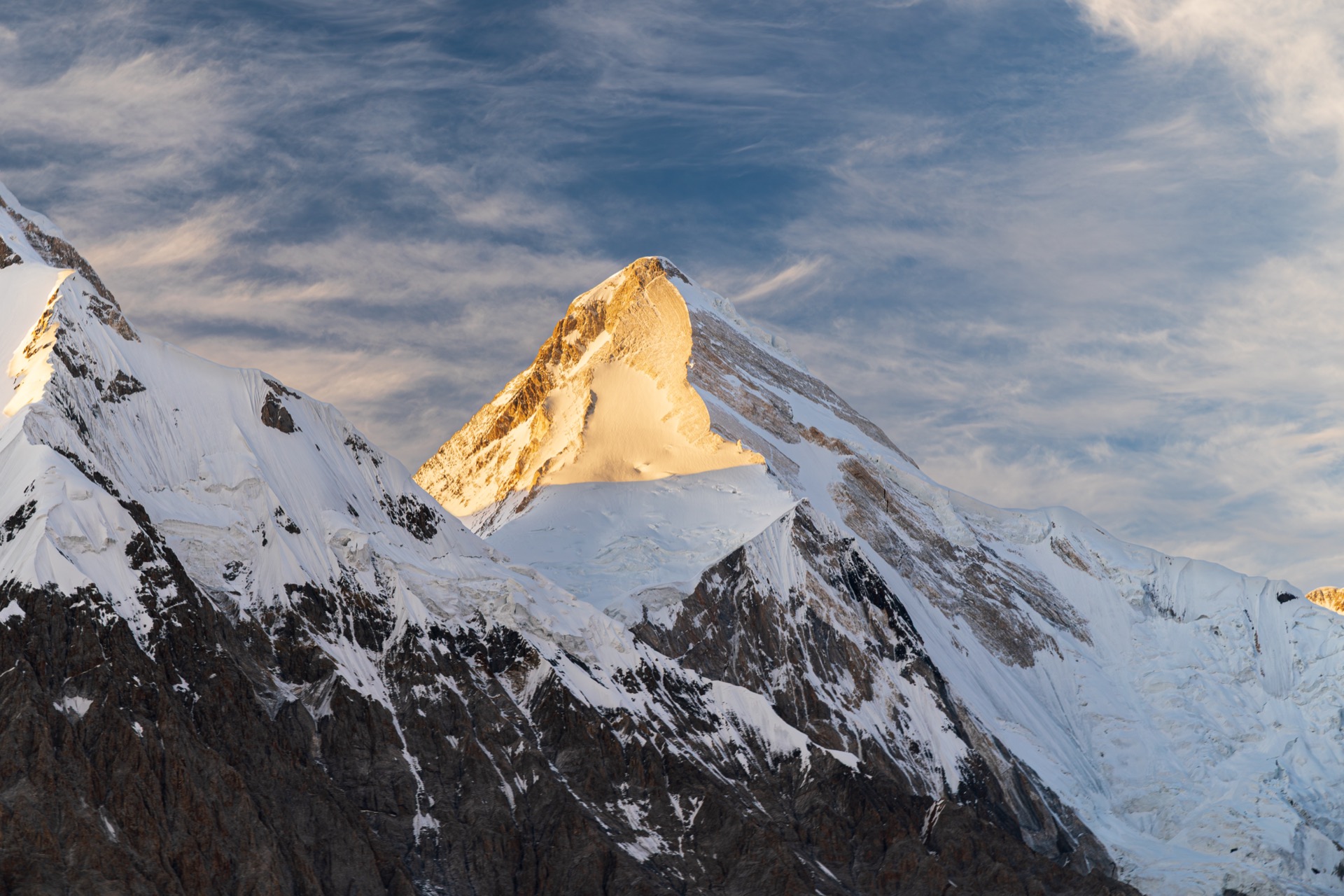
Tian Shan peaks and alpine scenery for Kyrgyzstan group tours
Small groups · big mountains

Kyrgyzstan Group Tours & Operators

Whether you are comparing a Kyrgyzstan group tour for your first Silk Road summer or shortlisting Kyrgyzstan tour operators for a trekking-heavy itinerary, this guide maps price bands, trip archetypes, and booking timelines—so your deposit matches the experience you actually want.

Group size

4–15 typical

Price range

$40–120 / day (comfort-dependent)

Types

Cultural, trekking, horse, multi-country

Peak season

July–August — book ~3 months ahead

Kyrgyzstan group tour planning

Why Travellers Book Group Tours in Kyrgyzstan

Searches for a Kyrgyzstan group tour usually blend three needs: mountain access without private-car math, English-speaking interpretation in villages, and a social rhythm around yurt tables. Kyrgyzstan tour operators translate those needs into vehicles, permits, and nightly beds—if you ask the right questions up front.

Kyrgyzstan's best scenery sits at altitude on roads that reward experienced drivers. A guided small group spreads fuel, guide, and support-horse costs across several travellers while keeping convoy size small enough for guesthouses that were never built for coach parking. That sweet spot—roughly four to fifteen people—is why so many itineraries price between forty and one hundred twenty US dollars per person per day depending on comfort: shared Land Cruiser–class transport and simple homestays anchor the low end; private bathrooms, premium Karakol guesthouses, and multi-country flight chains lift the top.

Travellers researching both "Kyrgyzstan group tour" and "Kyrgyzstan tour operators" should decide early whether the trip is culture-first, trek-first, or horse-first. Culture-heavy weeks spend more hours in vehicles between UNESCO-adjacent sites, bazaars, and family kitchens; trekking-heavy weeks need guide ratios, horse bookings, and weather buffers on cols like Ala-Kul; horse circuits through Song-Kul or Suusamyr demand honest riding fitness and rest days for animals as well as humans. Mixing all three in one aggressive two-week loop is possible but rarely comfortable—good operators will push back if your day count is unrealistic.

Community Based Tourism through cbt.kg remains the benchmark for authentic homestays and village income retention, while mid-range brands such as Novinomad invest in guide training and vehicle standards that suit photographers, families, and riders who want clearer safety briefings. Regional full-service desks excel when your group is actually chasing a fourteen-to-twenty-one-day Silk Road chain across Kyrgyzstan, Uzbekistan, and Kazakhstan—one invoice, sequenced visas, and a single emergency contact beat piecing marshrutkas and fresh WhatsApp numbers at every border.

Peak season in July and August fills jailoo camps, Karakol guesthouses, and experienced mountain guides first. Treat three months ahead as normal for quality departures; last-minute summer seats exist but often mean hotter vehicle rotations, less desirable rooming, or guides who are competent yet exhausted from back-to-back peaks. Shoulder months trade slightly colder nights for thinner trails and easier boutique inventory—excellent for trekking groups that dislike queueing at mountain photo spots.

Use our plan your trip hub for visas and transport context, then cross-read destinations for regional pacing. If budget is the main lever, budget travel explains what group tours add versus independent travel; if comfort is non-negotiable, luxury travel shows how private tiers differ from classic scheduled groups.

When you compare Kyrgyzstan tour operators side by side, insist on the same itinerary skeleton: identical nights in Karakol, the same Song-Kul approach road or horse day count, and matching trek or ride grades. A lower quote often hides longer shuttle days, unnamed yurt camps, or shared guides across two concurrent groups. Ask how many hours passengers sit between breakfast and dinner on transfer legs, whether drivers rotate on marathon drives, and what happens if one traveller slows a trekking group—fair policies spell out split options or spare guide hours rather than vague assurances. Photography-oriented groups should confirm sunrise starts and tripod space in vehicles; winter skiers need explicit pass-closure backup routes. Documenting those details turns a generic Kyrgyzstan group tour search into a contract that matches mountain reality.
Compare at a glance

Kyrgyzstan Tour Operators — Who Fits Which Trip

Ten established profiles from community-based budgets to full-service multi-country desks. Prices are indicative per-person ground estimates—confirm inclusions, single supplements, and vehicle class in writing.

CBT Kyrgyzstan

$30–50 / day

Community-based · budget-friendly

Community Based Tourism anchors authentic homestays and village-hosted activities across all major regions. Kyrgyzstan group tour seekers who want grassroots economics, local interpreters, and simple comfort gravitate here—meals are family-style, routing is flexible, and prices stay among the lowest for organised weeks. Ideal first-timers pairing Song-Kul, Kochkor, and south Issyk-Kul without a luxury brief.

cbt.kg

Novinomad

$60–100 / day

Mid-range to premium

Strong English guides, polished vehicles, and memorable horse treks define many Novinomad departures. Kyrgyzstan tour operators in this bracket invest in guide training and narrative depth—useful when your group wants clear safety briefings, consistent hotel or guesthouse standards, and confident trail leadership on multi-day rides.

novinomad.com

Silk Road Adventures

$50–80 / day

Adventure focus

Silk Road Adventures emphasises active pacing: passes, camp nights, and long scenic drives stitched into coherent loops. A solid pick for mixed-fitness groups who still want challenge days balanced with recovery near Issyk-Kul or in the south. Multi-country Silk Road routes appear regularly in their portfolio.

Central Asia Travel

$80–120 / day

Full-service regional

Handles complex logistics across all five Stans—visas, internal flights, and English-speaking coordination from quote to departure. Luxury-tier room upgrades and private vehicle options sit alongside classic small-group departures. Best when your brief is “one operator, multiple borders” rather than a single-region Kyrgyzstan-only week.

Kyrgyz Concept

$60–100 / day

Custom cultural tours

Tailored cultural routing suits photographers, museum-minded travellers, and groups that dislike fixed shopping stops. Expect patient timing at bazaars, craft workshops, and mountain viewpoints. Pair with our photography and culture pages when briefing the planner on shot lists and pacing.

Destination Karakol

$40–70 / day

Issyk-Kul & Karakol specialist

Regional depth around Karakol, Jyrgalan, and east Issyk-Kul keeps transfer times short and local relationships strong. Trekking gateways, hot-spring valleys, and lake segments feel cohesive because the team lives the ecosystem year-round. Strong match for Ala-Kul–adjacent weeks without dragging the whole country into one rushed loop.

Turkestan Travel

$60–100 / day

Multi-country specialist

Stitches Kyrgyzstan with Uzbekistan, Kazakhstan, or Tajikistan when you want Silk Road cities and alpine jailoo in one invoice. Border days need crisp paperwork—this segment of Kyrgyzstan tour operators is accustomed to marshalling groups through checkpoints and timing domestic flights.

Visit Karakol

$35–60 / day

Karakol-based · budget-friendly

Grassroots Karakol energy with competitive pricing for hostel-adjacent and guesthouse-tier travellers. English-speaking staff help independent-minded groups plug into day hikes, lake shuttles, and CBT-style homestays without paying premium urban overheads. Excellent add-on hub after Bishkek.

EcoTrek

$50–80 / day

Trekking specialist

Focuses on trail logistics: guides, pack horses, camp kits, and evacuation thinking on multi-day mountain routes. If your Kyrgyzstan group tour is really a trekking expedition with a few cultural buffer days, operators like EcoTrek align spend with trail days rather than city touring margins.

Top Asia Travel

$50–80 / day

Mid-range generalist

Reliable airport meet-and-greets, transfer timing, and mid-range hotels make Top Asia Travel a practical choice for corporate incentives and family reunions who want structure without boutique pricing. Ask explicitly for vehicle class and daily drive limits before signing—comfort varies by season and fleet rotation.

Always request named accommodation for key nights, maximum daily drive hours, and whether tips are included. For trail-heavy weeks, confirm guide certifications and horse rotation policies before comparing headline prices.

Itinerary archetypes

Tour Types: Cultural, Trekking, Horse & Regional Loops

Match trip length and daily spend to the activity spine—heritage weeks, mountain trekking, jailoo riding, photography pacing, or winter sports.

Cultural & heritage

7–14 days

Silk Road storylines thread Burana, Tash-Rabat, Osh’s Sulaiman-Too, and Arslanbob’s walnut forests with bazaar mornings and family bread ovens. Groups move slower than trek-heavy trips, with more vehicle time and museum depth. These itineraries answer searches for a Kyrgyzstan group tour rooted in nomadic culture and UNESCO-adjacent sites without mandatory high passes every other day.

Silk Road guide

Trekking & adventure

5–12 days

Ala-Kul loops, Song-Kul circuits, Jyrgalan ridgelines, and Alay approaches to glaciated backdrops dominate summer calendars. Expect early starts, pack weight discipline, and weather windows on cols. Guided groups share horses for baggage on many routes; independent trekkers can bolt on operator support for trailhead transfers only.

Trekking routes

Horse riding

3–7 days

Song-Kul, Suusamyr, and Kochkor–Naryn corridors deliver the classic jailoo-on-saddle experience. Riding fitness matters more than hiking fitness; ethical operators rotate horses and build rest half-days. Combine with our horse-riding page to compare private wrangler trips versus scheduled small-group departures.

Horse riding

Multi-country Silk Road

14–21 days

Kyrgyzstan plus Uzbekistan and/or Kazakhstan chains madrasahs with mountain drama—think Registan mornings followed by Issyk-Kul sunsets. Visa sequencing, flight buffers, and guide handoffs at borders separate professional Kyrgyzstan tour operators from informal brokers. Build slack days; one delayed domestic flight should not collapse the Uzbek segment.

Central Asia itinerary

Photography

Flexible · premium daily rates

Landscape-forward timing chases golden hour at jailoo camps, mirror-still lake mornings, and eagle-hunter backlight when arranged respectfully. Expect roughly $80–120 per day when vehicles idle for light, private guides adjust meal times, and accommodation prioritises views over lowest cost.

Photography guide

Winter tours

December–February

Skiing near Karakol, snow-dusted bazaar walks, and eagle hunting demonstrations (where offered ethically) compress the country into a colder palette. Road closures and shorter days change pacing—groups should confirm 4WD chains, heating standards, and flexible indoor alternatives.

Winter travel

Mixed groups—say, three strong trekkers and two culture-first relatives—benefit from operators willing to split days: vehicle-supported viewpoints alongside optional shorter walks, or a rest day at Issyk-Kul while others tackle a pass. State fitness ranges honestly when you enquire; the best Kyrgyzstan group tour is the one that schedules recovery without making anyone feel sidelined. If your heart is set on a multi-country Silk Road arc, prioritise operators who have run the same border pairing before, because second-time paperwork and known guesthouses save more stress than a glossy PDF ever will.

Decision framework

How to Choose a Kyrgyzstan Group Tour

Budget, group size preference, comfort level, activities, and duration should drive the shortlist—not brochure adjectives alone.

Budget frames vehicle class, room privacy, and how many meals are included. Community-based weeks keep per-diem lower because families host and kitchens are shared; mid-range operators add consistent English briefings and newer 4WD fleets; premium regional itineraries price in flight buffers, airport meet-and-greets, and four-star city nights where they exist.

Group size preference changes social chemistry and photo waits. Four to eight feels intimate around a yurt hearth; twelve to fifteen spreads costs but slows village stops. Ask for maximum group size guaranteed, not marketing averages.

Comfort level means bathrooms, heating, Wi-Fi expectations, and altitude pacing. Trekking and horse groups should confirm shower frequency, sleeping bag rental, and whether refuges or tents are used on cols—then read trekking and horse riding for route-specific realism.

Activities determine whether you need a cultural guide, a mountain guide, or both. Multi-country Silk Road weeks benefit from operators accustomed to Stans-wide paperwork—see Central Asia itinerary for sequencing advice.

Duration should include buffer days for domestic flights, pass weather, and one cultural recovery day after long drives. Trying to compress Ala-Kul, Song-Kul, Osh, and a border crossing into ten days without rest is how knees—and tempers—fail.

What is typically included

  • Shared or private vehicle and driver according to tier
  • English-speaking lead guide or arranged local guides with translation
  • Accommodation as named in the contract—guesthouses, homestays, yurt camps, or hotels
  • Many meals, especially in homestay and jailoo segments
  • Itinerary logistics: timed transfers, some entry fees, and camp equipment on trekking trips when specified

International flights, comprehensive travel insurance, alcoholic drinks, optional activities, and personal shopping are commonly excluded—mirror this list against every quote.

Red flags

  • No written inclusions or refusal to name hotels and vehicle models
  • Full prepayment demanded without milestone deposits tied to deliverables
  • Guaranteed wildlife, clear skies, or open borders without contingency language
  • Unwillingness to discuss horse condition, rest days, or guide qualifications on technical routes

Tipping & booking timeline

Many groups pool roughly five to ten US dollars per guide per day when service is strong, with a separate modest amount for drivers—confirm whether your operator already bundles service charges. For summer peaks, initiate holds about three months ahead; for multi-country Silk Road departures, start earlier if visas require invitation letters. Combine tipping norms with the practical risk notes in our safety guide so insurance, altitude, and road context are squared away before the welcome dinner.

Planning clarity

Kyrgyzstan Group Tours FAQ

Straight answers on group size, pricing, booking windows, operator choice, inclusions, red flags, tipping, and safety context.

What is the typical group size for a Kyrgyzstan group tour?+
Most scheduled small-group departures run roughly four to fifteen travellers—large enough to share vehicle costs yet small enough for guesthouses and yurt camps. Private groups can be smaller; per-person rates rise when fixed costs split fewer ways. Confirm minimum-to-run numbers before paying a deposit.
How much does a Kyrgyzstan group tour cost per day?+
Budget community-based trips often land near thirty to fifty US dollars per day on the ground; mid-range guided weeks commonly fall between fifty and one hundred dollars; full-service or luxury-tier regional routing can reach eighty to one hundred twenty dollars or more with upgraded vehicles and hotels. Always ask what meals, park entries, tips, and single supplements are excluded.
When should I book a Kyrgyzstan group tour for summer?+
July and August sell out guides, drivers, and the best guesthouse rooms first—reserve roughly three months ahead for peak season. June and September offer shoulder-season availability with slightly cooler nights and thinner crowds on popular trails. Winter ski weeks need early bed holds in Karakol.
How do I choose between Kyrgyzstan tour operators?+
Start with budget, preferred group size, comfort tier, must-do activities, and total duration. Match community-based operators for homestay-heavy cultural weeks; choose trekking specialists when trail logistics dominate; use full-service regional brands for multi-country Silk Road chains. Read inclusions line by line and compare vehicle class, guide language, and cancellation terms—not brochure photos alone.
What is usually included in a Kyrgyzstan group tour package?+
Typical packages cover English-speaking guiding (or arranged local guides with translation), shared transport, listed accommodation, and many meals—especially in homestay and yurt segments. Flights to Kyrgyzstan, travel insurance, personal snacks, optional activities, and single-room supplements are often extra. Park fees and border handling fees should be named explicitly in writing.
What are red flags when booking a group tour in Kyrgyzstan?+
Vague inclusions, refusal to put vehicle type and hotel names in the contract, pressure to wire full payment upfront with no escrow milestone, and promises of “guaranteed” wildlife or border crossings without weather contingencies. Operators who dodge questions about guide certifications on technical treks or horse welfare on riding trips should prompt a second quote elsewhere.
How much should I tip guides on a Kyrgyzstan group tour?+
Many travellers budget roughly five to ten US dollars per guide per day for strong service, pooled at the end of the segment—adjust up for exceptional mountain leadership or complex multi-country coordination. Drivers often receive a separate modest tip. Confirm whether your operator already folds gratuities into the price so you do not double-pay.
Is a Kyrgyzstan group tour safe compared to independent travel?+
Reputable operators reduce road, weather, and altitude risks through vetted drivers, daily briefings, and backup plans—read our safety guide for crime, traffic, and health context either way. Groups still need personal insurance, hydration discipline on passes, and realistic fitness self-assessment. Neither guided nor independent travel removes objective mountain hazards; preparation does.