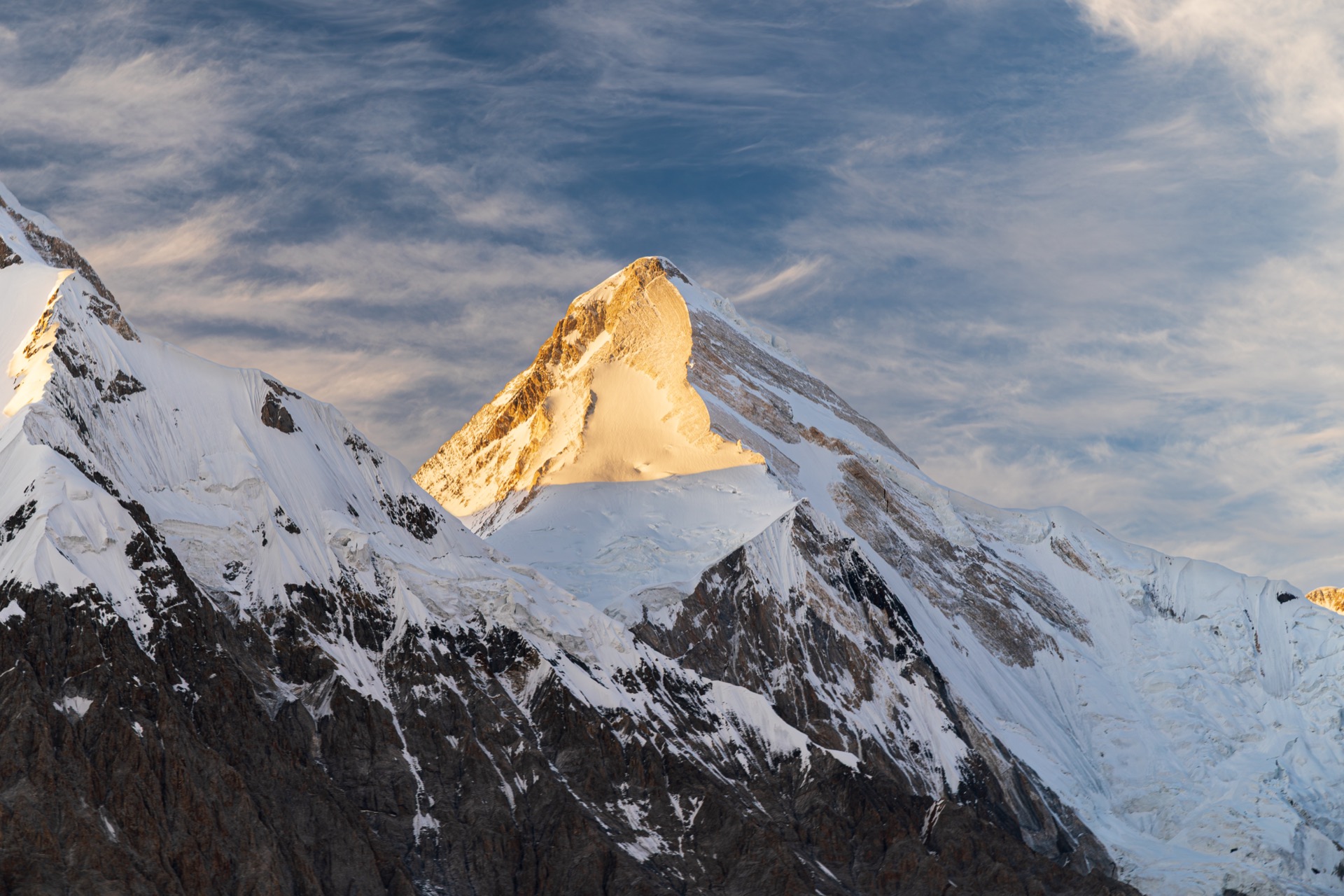
Tien Shan mountains and alpine valleys in Kyrgyzstan
Wellness & nature

Hot Springs in Kyrgyzstan

From legendary Altyn Arashan hot springs above Karakol to family-friendly pools near Bishkek, Kyrgyzstan hot springs blend mineral water, mountain scenery, and genuine local culture at prices that rarely break a travel budget.

Best known

Altyn-Arashan

Year-round

Yes — winter is magical

Entry cost

$2–10

Water temp

38–50°C

Kyrgyzstan hot springs

Mineral Water in the Heart of the Tien Shan

Thermal water here is not an imported spa trend — it is woven into daily life, sanatorium history, and mountain travel culture from the Chui valley to the eastern Issyk-Kul ranges.

Planning around Kyrgyzstan hot springs means choosing between convenience and spectacle. Near Bishkek, Issyk-Ata distills the Soviet sanatorium legacy into straightforward day-trip soaking. Near Karakol, Altyn-Arashan asks for effort — a half-day of walking or a rugged ride — then repays you with several pools in a high valley where peaks feel close enough to touch. Search trends for Altyn Arashan hot springs exist for good reason: the combination of 2,600 m altitude, basic guesthouses, and water in the high thirties Celsius creates one of Central Asia’s most memorable outdoor experiences.

Southern valleys add another chapter. Jalal-Abad gateways lead toward canyon hot springs in Kara-Shoro National Park and culturally loaded sites like Aral-Ashi, where healing folklore still shapes who visits and when. In the east, Jergalan’s riverside pools attract trekkers who want something rawer than tiled indoor basins. Chon-Kemin rewards four-wheel-drive detours with quiet forest pools that see far fewer foreign passports. Across all of these, water temperatures generally fall between 38°C and 50°C at the tap or pool depending on mixing — always test with a toe, especially after cold river crossings on approach hikes.

Year-round access is real at developed complexes, and winter transforms steam into clouds against snowbanks — a photographer’s dream if you pack dry clothes intelligently. Entry costs from roughly $2–10 keep experimentation affordable compared with European thermal parks. The practical sections below walk through packing, etiquette including gender-segregated hours at some facilities, and health habits that matter at altitude. When you are ready to stitch springs into a broader loop, our destination hubs for Karakol, Bishkek, and Jalal-Abad anchor multi-day routing with trekking passes, lake beaches, and bazaar stops between soaks.

Seven standout places

Where to Soak in Kyrgyzstan

From iconic Altyn-Arashan to southern canyons and quiet Chon-Kemin pools — each site offers a different balance of access, scenery, and infrastructure.

Altyn-Arashan

THE hot spring experience — iconic alpine setting.

2–3 hr trek from Karakolor ~1 hr 4WD2,600 m

Altyn-Arashan is the headline Kyrgyzstan hot springs experience and the one most travelers picture when they search for Altyn Arashan hot springs. The valley sits high above Karakol in a stunning alpine bowl: larch forest, rushing streams, and several natural pools typically between 38°C and 42°C. Reaching the pools is part of the reward — most visitors hike two to three hours from the trailhead, though organized 4WD trips can cut the approach to about an hour when roads and snow allow.

Simple guesthouses cluster near the springs, often around $10–15 per night with basic meals — expect shared facilities and wood-stove warmth rather than spa luxury. June through October is the classic window for clear trails and long days; winter access is harder but unforgettable when snow wraps the valley and steam rises into freezing air — the quintessential magical snow soak. For regional context, transport hubs, and what else to do nearby, pair your soak with our Karakol destination guide.

Karakol destination guide

Issyk-Ata

Most accessible — ideal day trip from Bishkek.

~1.5 hr from Bishkek37–40°CSoviet-era sanatorium

Issyk-Ata delivers the most accessible Kyrgyzstan hot springs for anyone based in the capital. A car journey of roughly ninety minutes places you in a mountain gorge where Soviet-era sanatorium architecture frames multiple pools kept between about 37°C and 40°C. Entry commonly runs $2–5, making it an easy half-day or full-day escape from Bishkek without committing to multi-day trekking.

The scenery is pleasant rather than dramatic compared with Altyn-Arashan, but year-round opening and straightforward logistics win for families, first-time visitors, and rainy days. Locals have soaked here for generations; expect a mix of tourists and residents. Combine Issyk-Ata with city museums and bazaars using our Bishkek guide when you plan a capital-first itinerary.

Bishkek destination guide

Ak-Suu (near Karakol)

Rainy-day friendly — easy access from Karakol.

Just outside KarakolIndoor pools$3–5

Ak-Suu is a compact hot spring complex a short hop from Karakol town, offering indoor pools and very easy access when you want mineral water without a mountain trek. Entry is typically in the $3–5 range. Water temperatures sit in the same comfortable band as other developed sites in the region.

This is the practical choice when weather turns wet, when you are short on time after trekking, or when traveling with companions who prefer changing rooms and roofs over riverside rock pools. It is open year-round, so it also works as a warm buffer before or after winter mountain days when Altyn-Arashan approaches demand more preparation.

Jergalan Hot Springs

Emerging — natural pools, donation-based.

Near Jyrgalan villageRiverside poolsSummer access

Near Jyrgalan village, Jergalan Hot Springs represents an emerging destination on the eastern Issyk-Kul circuit. Soaking happens in natural riverside pools with a raw, local feel; many sites operate on free access or voluntary donation rather than formal ticketing. Facilities stay basic, which suits travelers who value authenticity over polished resorts.

Road access limits the season — plan for summer when routes are reliably open. Combine a soak with valley walks, guesthouse hospitality, and the same mountain ambience that draws trekkers and skiers to the broader Karakol region. Confirm current road status locally before you commit, as conditions change with weather and maintenance.

Aral-Ashi

Remote south — traditional healing reputation.

Southern KyrgyzstanNear Jalal-AbadHistoric site

Aral-Ashi sits in southern Kyrgyzstan not far from Jalal-Abad, where travelers chasing lesser-known Kyrgyzstan hot springs find ancient sites associated with traditional healing beliefs. Soaking here feels adventurous: expect basic infrastructure, limited English, and logistics that reward patience and a flexible schedule.

Water chemistry and local lore draw domestic visitors; international guests often pair the springs with walnut forests, bazaars, and southern mountain scenery. If your route already crosses the Fergana-facing valleys, Aral-Ashi adds cultural depth beyond the Issyk-Kul circuit. Use our Jalal-Abad page for regional orientation and onward transport ideas.

Jalal-Abad destination guide

Kara-Shoro National Park

Canyon + waterfalls — undeveloped and scenic.

Canyon settingNear Jalal-AbadSummer

Kara-Shoro National Park combines undeveloped hot springs with canyon scenery and waterfall hiking near the Jalal-Abad region. Pools are not built out like Issyk-Ata; instead, you get mineral water in a wilder frame — think rock, river soundtracks, and trails that ask for sturdy footwear and carry-in snacks.

Summer is the practical season when heat and open roads make canyon hiking pleasant and river levels predictable. Pair soaking with a full day in the park: start early, carry plenty of water, and respect fragile riverbanks. The experience suits hikers who already enjoy Kyrgyzstan trekking culture and want thermal reward after vertical gain.

Jalal-Abad destination guide

Chon-Kemin hot springs

Valley secret — 4WD, free, undeveloped.

Chon-Kemin valley4WD accessFree

In the Chon-Kemin valley, small natural pools sit far from mass tourism, usually reached by 4WD over rough or seasonal tracks. There is typically no formal entry fee — you trade ticket counters for self-sufficiency, navigation, and respect for private or pasture land near the springs.

Combine a visit with valley trekking, horse riding, or birdwatching along the Chong-Kemin corridor between mountain ridges. This option fits independent travelers with local drivers or guides who know current track conditions. It is not a drop-in spa day; it is a deliberate side trip for those who want forested slopes and quiet water after Bishkek’s bustle.

Before you soak

Practical Guide to Kyrgyzstan Hot Springs

A little preparation keeps thermal days comfortable, respectful, and safe — especially when you combine soaking with trekking or high-altitude travel.

What to bring

Pack a swimsuit, a quick-dry towel, flip-flops or water shoes for slippery decks, and a dry bag for phones and electronics — steam and splashes destroy unprotected gear. Add a warm layer for the walk back to your guesthouse when air temperatures drop, especially after sunset soaks.

Etiquette

Some Kyrgyzstan hot springs maintain gender-segregated hours or areas at certain times, particularly where local families visit. Watch posted rules, ask staff or hosts if unsure, and default to modest swimwear. Rinse before entering shared pools when showers are available, and keep voices low out of respect for others relaxing.

Health

Stay well hydrated before and after soaking; altitude and dry mountain air compound dehydration. Avoid alcohol immediately before long sessions. Limit individual soaks to roughly twenty to thirty minutes, cool off between dips, and leave the water if you feel dizzy, nauseated, or overheated. People with cardiovascular conditions or pregnancy should seek medical advice before high-temperature bathing.

Thread hot springs into a full itinerary with our plan your trip overview, then layer trekking days or winter skiing around recovery soaks. The packing list covers towels, layers, and bags; safety discusses altitude, roads, and health context for mountain travel.

Compare springs

All Kyrgyzstan hot springs at a glance

Access, temperature, cost, and vibe — choose the soak that fits your trip.

SpringAccessTempCostSeasonVibe
Altyn-Arashan2–3 hr trek or 1 hr 4WD38–42°C$10–15/nightJun–Oct (winter possible)Alpine wilderness, iconic
Issyk-Ata1.5 hr drive from Bishkek37–40°C$2–5 entryYear-roundEasy access, Soviet spa
Ak-SuuEdge of Karakol town38–42°C$3–5 entryYear-roundIndoor, practical
JergalanNear Jyrgalan village35–40°CFree/donationSummer onlyRiverside, raw
Aral-AshiNear Jalal-Abad38–45°C$2–5 entryYear-roundSouthern, traditional
Kara-ShoroJalal-Abad region, 4WD35–40°CFreeSummer onlyCanyon wilderness
Chon-Kemin4WD valley track35–38°CFreeSummer onlyRemote valley secret
Plan your soak

Hot springs itineraries

Three ways to build soaking into your Kyrgyzstan trip — from a quick Bishkek day trip to a full circuit.

Bishkek day trip

1 day · Issyk-Ata

Leave Bishkek after breakfast, soak by noon, lunch at the sanatorium restaurant, return by evening. Easiest option.

Karakol soak & trek

2–3 days · Altyn-Arashan + Ak-Suu

Day 1: hike to Altyn-Arashan, soak, overnight at guesthouse. Day 2: return to Karakol, afternoon at Ak-Suu for easy indoor soak. Combine with Ala-Kul trek approach.

Full hot springs circuit

7–10 days · All accessible

Start in Bishkek (Issyk-Ata), drive to Karakol (Ak-Suu + Altyn-Arashan), day trip to Jergalan, fly to Osh, visit Aral-Ashi and Kara-Shoro. Covers the full range of experiences.

Common questions

Hot Springs FAQ

Quick answers for travelers comparing pools, seasons, and combinations with trekking or skiing.

What are the best Kyrgyzstan hot springs for first-time visitors?

Issyk-Ata near Bishkek offers the easiest logistics and year-round pools for a gentle introduction. If you are comfortable with a mountain approach, Altyn-Arashan near Karakol delivers the iconic alpine soak most travelers associate with Kyrgyzstan hot springs — plan one full day minimum for trekking or 4WD plus soaking time.

How do I reach Altyn Arashan hot springs from Karakol?

Most visitors hike about two to three hours from the usual trailhead, gaining elevation into the valley where guesthouses and pools sit near 2,600 m. When snow and road conditions allow, some travelers arrange roughly one-hour 4WD transfers partway. Winter visits are possible but demand extra clothing, possibly a guide, and flexible timing for weather.

How much do hot springs in Kyrgyzstan cost?

Developed sites such as Issyk-Ata and Ak-Suu commonly charge about $2–10 per person for day entry, depending on the facility and season. Remote riverside pools may be free or donation-based. Overnight stays at simple guesthouses near Altyn-Arashan often run around $10–15 per night plus meals — always confirm current prices locally.

Are Kyrgyzstan hot springs open in winter?

Yes. Issyk-Ata and Ak-Suu suit winter day trips from cities. Altyn-Arashan is accessible in winter for prepared visitors and offers a memorable snow-and-steam contrast when routes are open. Seasonal sites such as Jergalan and Kara-Shoro generally require summer road access — verify conditions before traveling.

What water temperatures should I expect?

Most public pools range from about 38°C to 50°C depending on the source and mixing with cold water. Altyn-Arashan pools often sit around 38–42°C. Start with shorter sessions until you know how your body responds at altitude.

Can I combine hot springs with trekking or skiing?

Absolutely. Altyn-Arashan pairs naturally with Karakol-area trekking routes. Winter visitors often stack Issyk-Ata or Altyn-Arashan with skiing near Karakol or Jyrgalan. See our trekking and winter guides for route ideas, then build rest days around soaking for recovery.

Which hot spring is best for families?

Issyk-Ata near Bishkek is the most family-friendly — easy road access, changing facilities, shallow pools, and a restaurant on site. Ak-Suu in Karakol also works well with indoor facilities. Avoid Altyn-Arashan with young children unless they can handle a 2-3 hour hike at altitude.

Can I visit Altyn-Arashan in winter?

Yes, but it requires preparation. The trail may be snow-covered and icy, adding time and difficulty. Bring crampons or microspikes, warm waterproof layers, and a headlamp in case you return after dark. The reward — soaking in 40°C water surrounded by fresh snow — is extraordinary. Some guesthouses stay open in winter; confirm before you go.

Are there any luxury hot spring resorts in Kyrgyzstan?

Kyrgyzstan hot springs are more wilderness than spa resort. Issyk-Ata has the most developed facilities (Soviet sanatorium style) but not luxury by international standards. For a premium experience, book a luxury yurt camp near Song-Kul or Issyk-Kul and build in hot spring day trips. True spa-level thermal resorts do not yet exist in Kyrgyzstan — which is part of the appeal.