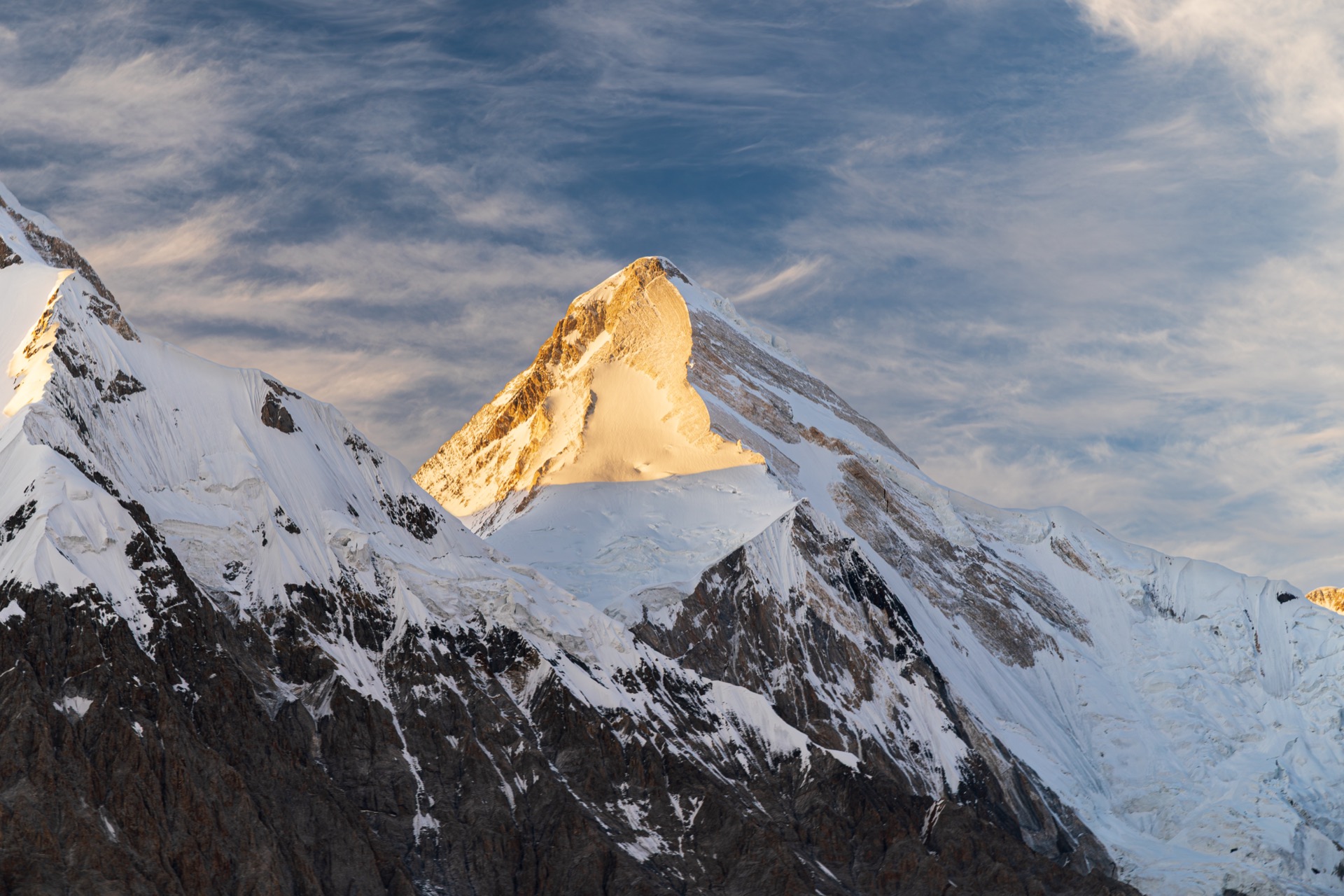
Mountain biking and high pasture tracks below rocky peaks in Kyrgyzstan
Mountain biking & cycling Kyrgyzstan

Mountain Biking in Kyrgyzstan

From jailoo gravel to lakeside highways, Kyrgyzstan rewards riders who want big scenery and honest climbs—whether you are searching for mountain biking Kyrgyzstan routes or broader cycling Kyrgyzstan touring ideas with yurt hospitality along the way.

Season

June–September (core)

Rental

$15–30 / day

Terrain

Singletrack to gravel

Best base

Karakol or Bishkek

Route planner

Eight rides by difficulty

Match terrain and days honestly—Kyrgyzstan’s roads and tracks punish underbiked kit and rushed acclimatisation alike.

Mountain biking Kyrgyzstan is not a single aesthetic: one afternoon you might spin smooth dirt beneath Jeti-Oguz’s red cliffs; the next you are grinding gravel toward a pass where eagles outnumber cars. Cycling Kyrgyzstan as a keyword covers everything from credit-card touring along Issyk-Kul’s shores to bikepacking loops that borrow trekking culture—yurt bread, kumis offers, and shepherds who point at snowfields you were hoping had melted. The Tien Shan and Pamir-Alay edges deliver vertical honestly: gears matter, braking surfaces matter, and a spare mech hanger matters more than vanity weight savings.

Most international riders anchor logistics in Bishkek for flights, spare parts, and cash, then shuttle or pedal east toward Issyk-Kul and Karakol where singletrack-adjacent valleys fan out toward Jyrgalan and the Terskei Alatoo. That pattern mirrors how trekkers stage Ala-Kul, but bikes add highway exposure and mechanical risk—plan rest days in towns with a floor pump and truing stand within taxi range. If your trip mixes driving and riding, read our road-trip oriented notes alongside this page so drivers and cyclists share expectations about meeting points and spare water on long cols.

Community Based Tourism offices, Karakol guesthouses, and Bishkek outfitters increasingly answer “mountain biking Kyrgyzstan” enquiries with route PDFs, GPX folders, and seasonal warnings about mud after thunderstorms. Still download offline maps: signage is sparse once you leave village centres, and herder gates sometimes reroute you onto unexpected spurs. Respect pasture etiquette—give horses and loaded pack strings the uphill side of the track, close gates if locals ask, and camp away from active yurt kitchens unless invited closer.

Jeti-Oguz valley

Near Karakol

Difficulty
Easy
Duration
Half day to 1 day
Distance
~15–35 km (loops & out-and-backs)
Surface
Dirt roads, meadow tracks, short linking paths

Gentle gradients beneath the red “Seven Bulls” formations make Jeti-Oguz one of the most approachable introductions to mountain biking in Kyrgyzstan. You can combine riverside riding with short pushes to viewpoints, then recover in a Karakol guesthouse the same evening. Traffic is lighter than on the main Issyk-Kul highway, but shared taxis still appear—ride predictably and wear hi-vis when linking paved sections.

Jyrgalan trails

Jyrgalan

Difficulty
Moderate
Duration
1–3 days
Distance
~25–55 km (linked valley and ridge options)
Surface
Village tracks, pasture roads, steeper connecting cols

East of Karakol, Jyrgalan has matured into a hiking hub—and the same valley network rewards cyclists who want punchy climbs and big Tien Shan views without committing to a full Silk Road expedition. Expect mud after rain, occasional hike-a-bike on the steepest pitches, and friendly homestays that will store a bike overnight if you stage a two-day loop. This is a strong answer to “cycling Kyrgyzstan” searches that want real mountains without endless pavement.

Song-Kul circuit

Song-Kul

Difficulty
Hard
Duration
3–4 days
Distance
~80–120 km (full circuit, weather dependent)
Surface
High jailoo tracks, rocky climbs, some rough 4WD spines

A bucket-list bikepacking loop for experienced riders: you climb from Kochkor-side approaches or link from Naryn-direction tracks to camp beside yurt camps at over three thousand metres. Wind, cold nights, and water sources spaced by pasture geography make this a logistics puzzle as much as a fitness test. Panniers or bikepacking bags, a filter, and a tent rated for freezing nights are standard—see our camping guide for wild-camping norms before you commit.

Bishkek–Issyk-Kul

Issyk-Kul region

Difficulty
Moderate
Duration
2 days
Distance
~240–280 km (shore variant affects total)
Surface
Paved highway with wide shoulder in places; busy traffic

This is the classic Kyrgyzstan cycling corridor: roll out of Bishkek, cross the Boom gorge, then trace Issyk-Kul’s north or south shore toward Karakol or Cholpon-Ata. It is not technical riding, but truck drafts, occasional dogs near villages, and summer heat demand respect. Split the ride sensibly—many riders overnight in Tokmok, Balykchy, or a lakeside guesthouse—then reward themselves with mountain trails after the transit stage.

Silk Road gravel route

Cross-country

Difficulty
Hard
Duration
7+ days
Distance
400 km+ (itinerary dependent)
Surface
Mixed gravel, broken asphalt, high passes, remote segments

For riders typing “mountain biking Kyrgyzstan” who actually mean multi-country gravel epics, Kyrgyzstan forms a dramatic link in longer Silk Road traverses—think Osh toward Tajikistan or westward loops through Suusamyr-style valleys. These routes assume mechanical skill, spare parts, food carry capacity, and willingness to reroute around snow or landslides. Guided bike tours shine here: support vehicles, local drivers who read road gossip, and translation when police checkpoints ask questions.

Suusamyr Valley

Central Kyrgyzstan

Difficulty
Moderate
Duration
1–2 days
Distance
~40–90 km along valley and side spurs
Surface
Wide jailoo tracks, highway connectors, rolling grassland

The Suusamyr plateau between Bishkek and Osh feels made for pedal-powered horizon chasing: enormous sky, herder tracks, and relatively forgiving gradients compared with razor-edge cols. You will still share space with long-distance trucks on the main road—time side explorations for daylight and keep lights charged for tunnels and weather. Pair Suusamyr with a read of our road-trip style planning if you are mixing bike days with a support car.

Ala-Archa trails

Ala-Archa National Park

Difficulty
Easy–moderate
Duration
Half day to 1 day
Distance
~12–35 km (gate to viewpoints and returns)
Surface
Park road, riverside path, steeper spur tracks

Barely an hour from Bishkek, Ala-Archa delivers alpine scenery on a timetable that suits acclimatisation days or city-break riders testing rental bikes. The paved approach and ranger station mean you pay park fees rather than navigating anonymous backroads—ideal for families comparing cycling Kyrgyzstan options before committing to Issyk-Kul. Hike-a-bike sections appear if you push toward glacier viewpoints; otherwise stay on the main valley floor for a scenic spin.

Chon-Kemin valley

Chon-Kemin National Park

Difficulty
Moderate
Duration
1–2 days
Distance
~35–70 km (valley floor and forested side roads)
Surface
Forest roads, park tracks, short steep pitches

Between the Kungey and Ile Alatoo ranges, Chon-Kemin offers quieter asphalt and dirt combinations than Ala-Archa on busy weekends. Birdlife, river camps, and guesthouses make it a strong moderate-difficulty stage if you are building a loop out of Bishkek. Confirm park entry rules at the gate if you camp—our trekking and camping pages explain how Kyrgyzstan treats wild pitches versus designated sites.
Bishkek & Karakol

Bike rental shops & mechanics

Cities are your workshop; villages are your coffee stop—plan spare parts before you chase cols.

Bishkek remains the hub for mountain biking Kyrgyzstan hardware: larger shops import Shimano consumables, tyres in common widths, and occasional tubeless sealant when supply chains cooperate. Walk through with your multitool, check derailleur alignment on a stand, and test brakes before paying—rental fleets work hard all summer. If you are assembling a touring rig after flying in, budget a full day for build, cable stretch, and a shakedown spin on quieter roads south of the centre before you commit to the Boom gorge.

Karakol serves Issyk-Kul riders who want a hardtail for Jeti-Oguz photography laps or a gravel bike for lakeshore connectors. Stock is thinner than the capital, so call ahead during peak July and August, and carry patch kits even if you rent—rural glass and wire find tyres everywhere. Guesthouse owners often broker the same two or three reliable mechanics; tipping for emergency truing after a rock strike keeps goodwill high.

When comparing quotes, ask whether helmets, locks, mini-pumps, and spare tubes ship with the bike. Some shops include flat pedals only; clip-in travellers should pack their own cleats. Photograph the contract sheet: scratches happen on jailoo gates, and clear documentation prevents checkout disputes that cost you a morning you had planned for pedalling.

Local expertise

Guided bike tours

Support vehicles, bilingual leaders, and cultural translation when the route leaves the map.

Guided bike tours make sense when your group mixes abilities, when you want a driver shadowing remote gravel, or when you simply prefer not to negotiate sheep traffic alone after a long climb. Operators in Bishkek package cross-country itineraries; Karakol specialists lean toward Issyk-Kul microclimates and quick weather pivots. Ask explicitly whether the price includes bike rental, meals, homestays, park fees, and vehicle transfer on rest days—Kyrgyzstan cycling tours vary wildly in inclusions.

Cultural upside is real: guides introduce jailoo etiquette, help interpret invitations into yurts, and smooth checkpoint conversations on routes that brush restricted areas. Downside is pace—if you chase enduro-style descending, confirm the group profile before you pay. Hybrid trips that combine trekking and cycling Kyrgyzstan stages are increasingly popular; our trekking page lists trail realities that also affect hike-a-bike carries when snow blocks cols.

Bikepacking & touring

Logistics: panniers, camping gear & water

Pack for sun-baked passes and freezing camps—often in the same week.

Panniers vs bikepacking bags: Panniers excel on Song-Kul approach roads and Suusamyr-style graded tracks where stability beats minimalism. Soft bikepacking harnesses suit Jyrgalan’s rougher links where heel clearance and hike-a-bike sections appear. Waterproof liners inside either system beat “waterproof” marketing when afternoon hail soaks everything.

Camping gear: A tent that handles wind above treeline, a sleeping bag comfort-rated near zero Celsius for three-thousand-metre nights, and an insulated pad are baseline for multi-day mountain biking Kyrgyzstan loops—not ultralight vanity kit. Our camping guide explains legal wild camping and how to camp respectfully near yurt enterprises; many riders mix tent nights with paid yurt beds to lighten pack weight and share stories with herding families.

Water strategy: Fill whenever you pass a reliable tap or clear side stream; carry capacity for dry ridges and filter below livestock. Electrolytes help on Issyk-Kul highway days when heat radiates off asphalt. On remote gravel, mark map waypoints for springs and ask shepherds about seasonal drying—climate shifts year to year.

For a full checklist spanning clothing layers, electronics, and toiletries, cross-reference our packing list; it is written for mixed transport trips like yours.

Highways & tracks

Road conditions for cyclists

Asphalt quality swings from silky new stretches to frost-heaved patches that rattle pannier mounts.

Main corridors such as Bishkek–Osh carry heavy truck traffic—wide tyres and relaxed descending speed reduce pinch flats and rim dings. Shoulders appear and vanish; ride predictably and use mirrors. Secondary roads toward valleys often degrade to stuttered asphalt, then gravel, then doubletrack—beautiful, but plan average speeds down, not up. After rain, clay sections in lower valleys grab tyres and cake frames; a toothbrush and rag at camp save your drivetrain from grinding paste.

Tunnel sections on mountain routes demand lights even midday; dust inside reduces visibility fast. Spring snowmelt can widen streams across the road; dismount if you cannot see the bottom. Winter is not a general mountain biking Kyrgyzstan season except for specialists—this page assumes summer-focused cycling Kyrgyzstan travellers. If you extend into October, carry layers and accept shorter stages as storms return to high passes.

Tie road expectations into broader trip design via plan your trip, and keep safety basics—insurance, helmet use, and emergency contacts—current before you descend the first long grade.

Mountain biking FAQ

Common questions

Season, rentals, guides, gear, altitude, and where to wrench before you ride.

When is the best season for mountain biking in Kyrgyzstan?+
June through September is the practical window for high-country riding: passes are clearer, yurt camps and village guesthouses are open, and water sources are more predictable. May and October can work for lower valleys like Jeti-Oguz or Chon-Kemin if you watch snow and mud, but shorten days and colder nights increase risk. For lake-level touring, July and August are busiest—shoulder months trade crowds for cooler mornings.
How much do bike rentals cost in Bishkek and Karakol?+
Expect roughly fifteen to thirty US dollars per day for a decent hardtail or gravel bike from shops in Bishkek or Karakol, with weekly rates sometimes negotiable. High-end full-suspension or bikepacking setups are rarer—book ahead and inspect brakes, tyres, and wheel true before you leave town. A cash deposit or passport copy is common; photograph existing scratches so returns stay friendly.
Can I bring my own bike on a plane to Kyrgyzstan?+
Yes. Most international cyclists remove pedals, lower saddle, and sometimes turn handlebars, then pack the frame in a cardboard bike box or padded bag. Airlines vary on fees—confirm sports-equipment rules on your ticket. Bishkek has mechanics who can reassemble and tune, but bring spare tubes, a multi-tool, and any proprietary parts your groupset needs because small-town shops stock unpredictably.
Are Kyrgyz roads safe for cyclists?+
Highways carry fast trucks and occasional reckless overtaking; a rear flasher, mirror, and bright clothing help more than they do at home. Shoulders exist in places but disappear without warning—ride defensively and avoid night highway miles. Dogs near villages can chase; slow down, do not kick, and consider a compact air horn. Read our safety guide for broader context on traffic, insurance, and emergency expectations.
Do I need a guide for mountain biking in Kyrgyzstan?+
No rule requires a guide for most public roads and established valleys, but guided bike tours add value on remote gravel stages, border-proximate routes, and during unreliable weather. Local guides know which bridges wash out, where shepherds graze flocks across the track, and how to phrase requests at checkpoints. First-time visitors planning Song-Kul circuits or long Silk Road segments often split the difference: guide or supported vehicle for remote days, independent riding near Karakol or Bishkek.
What bike touring gear should I pack for multi-day rides?+
Water capacity matters most—carry three litres or more per person in dry ridges, plus a filter or chemical backup. Rack and panniers work on graded roads; bikepacking bags suit rougher singletrack. A repair kit with chain tool, spare links, tubeless plug or spare tubes, and pump is essential. Layer clothing for sun, hail, and cold descents; our packing list extends this into camping stoves, sleeping gear, and electronics for longer Kyrgyzstan cycling tours.
How does altitude affect cycling near Issyk-Kul and Song-Kul?+
Bishkek sits near one thousand metres; Karakol around seventeen hundred; Song-Kul exceeds three thousand. If you fly in and immediately hammer cols, headaches and nausea follow—schedule easier spins for your first forty-eight hours. Spin lower gears, hydrate, and descend if symptoms worsen at rest. Trekking-focused acclimatisation advice on our trekking page applies equally to pedal-powered gain.
Where can I find bike shops in Bishkek and Karakol?+
Bishkek concentrates the country’s best selection: search out shops near city parks and malls that cater to expats and racers, plus outdoor retailers that order parts. Karakol’s smaller scene still supports Issyk-Kul visitors—guesthouses often know which mechanic is open and who rents hardtails for Jeti-Oguz day rides. Buy consumables in the city before remote stages; do not assume Karakol will have your tyre width in stock mid-season.