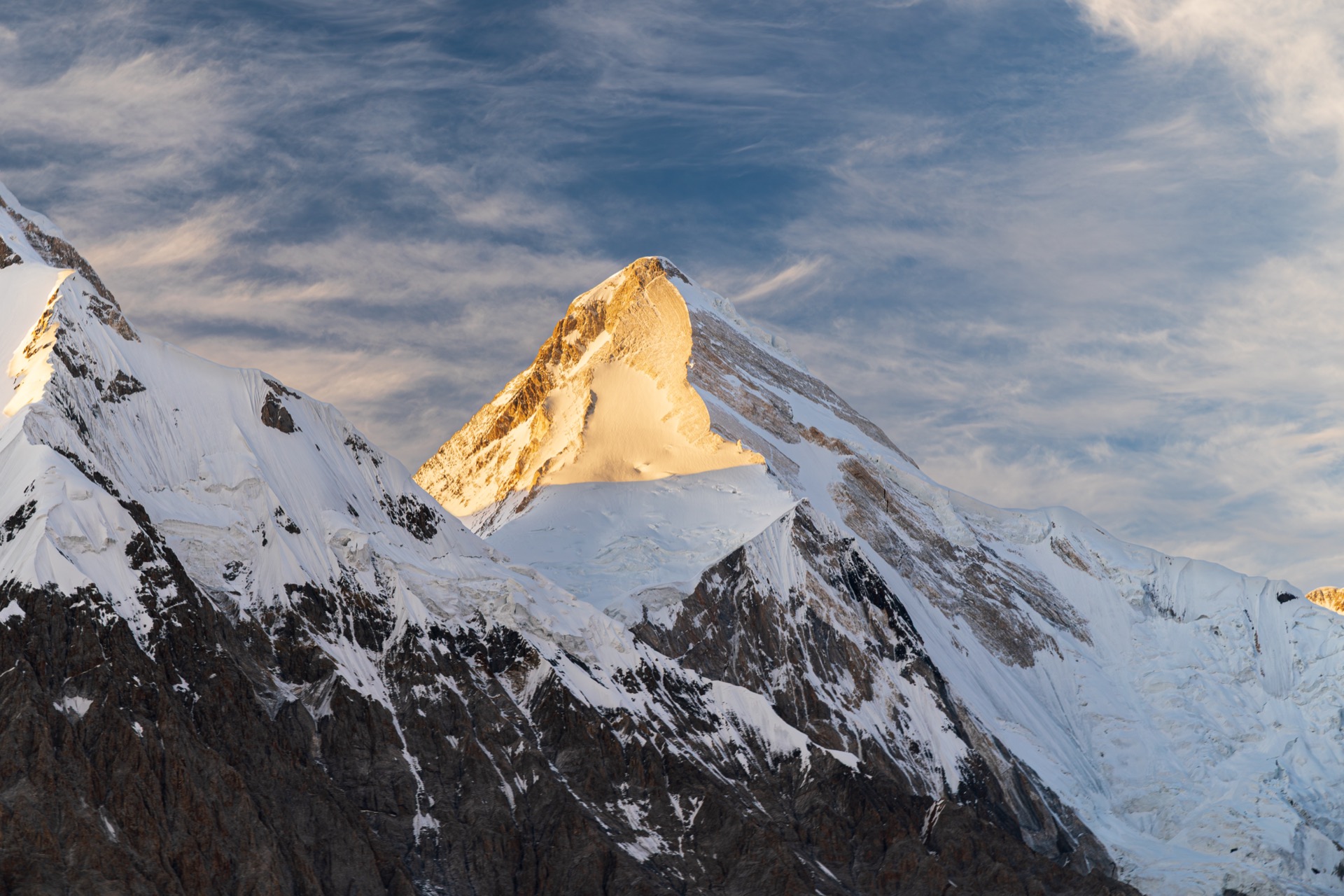
High Tian Shan ridges above forested slopes suitable for mountain flying in Kyrgyzstan
Lake launches & mountain thermals

Paragliding in Kyrgyzstan

Paragliding Kyrgyzstan adventures centre on tandem paragliding Issyk-Kul itineraries where huge vertical relief, stable summer weather windows, and dramatic Tian Shan backdrops outperform many European price points. From first-timer shore flights to Suusamyr cross-country ambitions, this guide explains seasons, costs, operators, health limits, photography etiquette, and why solo pilots should plan as self-supported visitors—not resort renters.

Season

June–September

Cost

$50–100 / tandem flight

Experience needed

No — for tandem

Best location

Issyk-Kul south shore

Why fly here

Paragliding Kyrgyzstan at a glance

Tandem paragliding Issyk-Kul packages dominate visitor demand, but the country’s flyable geography stretches from wide Suusamyr grass basins to advanced alpine venues—match ambition to training.

Travellers searching paragliding Kyrgyzstan usually picture a single iconic image: a colourful wing above cobalt Issyk-Kul, ridges rising like saw teeth on the far horizon, and a pilot calling cadence for a few brisk launch steps before the ground drops away. That scene is real, repeatable in summer, and economically accessible compared with Alpine resort tariffs—hence the cluster of tandem schools and freelance instructors along the south shore, where road access, visitor flow, and predictable valley breezes converge. What the postcard does not show is the patient weather discipline good crews practice: paragliding is a sport of walking down from launch when the cycle turns trashy, and Kyrgyzstan’s mountains reward humility.

Tandem paragliding Issyk-Kul experiences target people who will never buy a solo wing. You are clipped into a harness in front of or below an instructor, sharing a single large glider rated for two. After a safety talk and helmet check, you assist the inflation phase, accelerate smoothly as the wing climbs overhead, then transition from running to seated suspension in seconds. In flight, sensations range from glassy smooth to roller-coaster lively depending on midday thermals; both are normal. Landings are usually slide-in affairs on grass or lakeside margins—listen for “legs down, stand up” timing and do not fight the pilot’s flare.

Beyond the lake, Suusamyr Valley offers wide-set terrain where organized thermals can carry skilled pilots thousands of metres above the valley floor, while the Ala-Archa sphere and other alpine pockets demand advanced judgement about venturi winds, rapid weather shifts, and rocky outs. The Karakol area is slowly adding options for travellers already based on the east end of the lake who want a different angle on Peak Prjevalski skylines. Wherever you fly, stack your trip using plan your trip pacing, summer travel timing, and safety fundamentals—adventure sports amplify consequences when insurance, communications, or acclimatisation are skipped.

Where pilots go

Launch regions & what each offers

Issyk-Kul’s south shore remains the practical heartland for tandem guests; Suusamyr, Ala-Archa, and Karakol answer different skill profiles.

Issyk-Kul south shore

Main tandem hub

The south shore offers reliable summer flying with more than 1,000 metres of usable vertical above the lake, clear sightlines over deep blue water, and the snow-capped Tian Shan as a backdrop. Commercial tandem operations concentrate here because road access, visitor density, and predictable valley wind patterns align. Flights commonly last 15–30 minutes once airborne, depending on conditions and the pilot’s search for smooth lift.

Explore Issyk-Kul

Suusamyr Valley

Wide thermal country

Suusamyr is a broad grass basin ringed by ridges—classic wide-valley terrain where thermals organize on strong sunny days. It attracts pilots who want space to work climbs without immediate rock obstacles, and it pairs naturally with road trips between Bishkek and the south. Tandem availability is thinner than on Issyk-Kul; treat Suusamyr as a destination to confirm with operators in advance rather than a guaranteed walk-up market.

Explore Suusamyr

Ala-Archa area

Advanced mountain flying

Steep alpine relief, gusty canyon flows, and complex valley winds make the Ala-Archa sphere better suited to experienced solo pilots with local briefings than to casual tandem guests. If you are not already rated and current, enjoy Ala-Archa on foot through our trekking notes and treat any flying conversation as expert-only. Never pressure a pilot to launch in marginal weather for a holiday snapshot.

Explore Ala-Archa

Karakol area

Emerging east Issyk-Kul scene

Around Karakol and the eastern lakeshore, an emerging scene connects adventure travellers with lake-and-peak panoramas distinct from the classic south-shore angles. Infrastructure is still patchier than at the busiest south-shore launches, which can mean more flexibility or more last-minute cancellations—both are normal in mountain flying. Combine enquiries with CBT offices and established Bishkek-linked operators who maintain equipment schedules you can verify.

Explore Karakol
Operators

Fly Bishkek, CBT networks & how to vet pilots

English-capital coordination competes with community-based introductions—both work when gear and weather ethics check out.

Fly Bishkek markets tandem flying alongside other aerial and adventure products, which helps travellers who want a single point of contact while assembling experiences from the capital before heading to the lake. Ask explicitly which launch sites they use on Issyk-Kul’s south shore, whether ground retrieve vehicles are part of the quote, and how they reschedule if morning wind direction flips. Professional outfits should welcome questions about reserve repack schedules, pilot ratings, and passenger weight limits without irritation.

Community Based Tourism offices and homestay hosts around Issyk-Kul and Karakol frequently know freelance tandem pilots who fly smaller guest lists but deeply understand road conditions to mountain shoulders. This pathway can feel more informal—messaging apps, verbal bookings, cash on the day—so confirm meeting points, waiting times for weather, and what language briefings will use. CBT-sourced introductions often shine when you already sleep locally and want the lightest logistics footprint; pair them with ideas from our adventure itinerary hub if you are chaining hikes, lake swims, and a flight in one week.

Regardless of channel, prioritize transparent cancellation policies. Mountain flying is not a conveyor belt; the best outcome on a marginal day is coffee at launch while watching wind socks disagree. Operators who rush passengers to “get it done” before storms deserve scrutiny. Align expectations with budget planning so a moved flight does not derail downstream transport you prepaid.

Passenger briefing

What to expect on a tandem paragliding flight

From the ride to launch through landing, tandem guests contribute calm coordination more than skill.

Your day typically begins with a vehicle climb on dirt or paved switchbacks toward a grassy or scree shoulder above the lake. Dress in layers: launches start cool, then sun exposure intensifies once you are exposed. Footwear with grip matters for short uphill walking and brisk take-off runs; avoid loose sandals. The pilot rigs the wing, clips carabiners through a documented sequence, and rehearses commands—usually simple words for “run,” “keep running,” and “sit.” When the wing rises clean and centred, you accelerate together until the slope falls away and the harness seat supports your weight.

In the air, relaxed posture saves energy. Look at the horizon if mild motion bothers your stomach; deep, slow breathing helps. Pilots may circle to extend altitude or steer toward smoother air near the surface for landing. Expect a final approach leg aligned with wind direction, a controlled flare to bleed speed, and either a gentle run-out or a sit-down slide depending on slope and breeze. Applause is optional; grins are universal.

Limits & logistics

Weight, health, photos & pairing with other activities

Disclose medical history honestly, secure cameras thoughtfully, and build buffer days around weather.

Weight and health: Tandem rigs operate inside manufacturer envelopes; pilots who ask your weight are not being rude—they are calculating safe launch speeds and landing energy. Outside standard bands, some crews can substitute larger wings; others will decline politely. Disclose pregnancy, epilepsy, recent joint surgery, heart conditions, or panic disorders before you pay. Altitude plus exertion at launch can stress visitors who just arrived from sea level; consider acclimatising with easy Issyk-Kul days before you sprint uphill with a glider on your back.

Photography during flight: Operators often sell photo or video because they know how to mount cameras without tangling lines. If you self-shoot, use straps, avoid sudden arm waves that shift harness balance, and never unclip to “get a better angle.” For ground-based storytelling before and after, our photography guide covers golden-hour timing on beaches and canyons—pair aerial mornings with shoreline sunsets for a diversified portfolio.

Combining activities: Paragliding pairs naturally with swimming, light hiking, hot springs, and cultural stops around the lake. Avoid scheduling a hard high-altitude trek the same morning as a flight; tired legs stumble on launch. If you are building a stacked adrenaline week, reference adventure itinerary ideas and keep a rest half-day after intense flying in punchy thermals—your inner ears will thank you before the next van transfer.

Solo pilot logistics: Visiting pilots should assume no rental infrastructure for wings, harnesses, or reserves comparable to European schools. Bring your own kit, inspect it after long flights in baggage holds, and seek local briefings before pioneering unfamiliar launches. Respect livestock, crops, and village roofs when choosing landing fields; introduce yourself to landowners where practical. Kyrgyzstan rewards self-sufficient flyers who marry meteorological patience with ground crew retrieve plans—the same cultural hospitality that powers CBT homestays can become your retrieve network if relationships are genuine.
Paragliding FAQ

Common questions

Safety, costs, season, experience, health, cameras, booking channels, and solo flying realities.

Is tandem paragliding on Issyk-Kul safe for first-time flyers?+
Reputable tandem pilots use certified dual harnesses, reserve parachutes, and helmets, and they cancel when wind, turbulence, or cloud development crosses their personal limits. Paragliding is never risk-free—there is exposure on launch slopes and during landing—but choosing insured operators, following briefings, and accepting “no fly” days sharply reduces drama. Read our travel safety overview for insurance and emergency context alongside sport-specific choices.
How much does tandem paragliding in Kyrgyzstan cost?+
Budget roughly $50–100 per tandem flight on Issyk-Kul in peak summer, depending on launch site logistics, flight duration, photo or video add-ons, and whether transport from nearby towns is bundled. Shoulder-season quotes may shift; always confirm currency, inclusions, and cancellation weather policy before you pay. Cross-check value against other summer activities in our budget travel guide.
When is the paragliding season in Kyrgyzstan?+
June through September is the practical window for most tandem guests: passes are open, daytime thermals are usable, and lake-shore bases are staffed. July and August bring the most reliable flyable afternoons but also stronger thermals mid-day—pilots often prefer morning or late-afternoon slots for smoother air. Outside this band, solo specialists may still fly select sites; tandem tourism generally pauses.
Do I need experience for tandem paragliding in Kyrgyzstan?+
No. Tandem paragliding pairs you with an instructor pilot who controls the wing; your role is to run a few coordinated steps on launch, relax into the harness, and follow landing posture cues. Basic fitness for a short uphill walk to launch helps. Solo free flight is a different sport requiring training, ratings, and currency—Kyrgyzstan does not offer the rental infrastructure casual visitors expect from beach resorts.
Are there weight or health restrictions for tandem flights?+
Most tandem rigs specify minimum and maximum passenger weights—often roughly 40–110 kg depending on wing class, pilot preference, and local regulation—because safe launch speed and landing energy depend on all-up weight. Pregnant travellers, people with recent shoulder surgery, unmanaged cardiovascular conditions, or severe motion sickness should discuss risks with a doctor and disclose everything to the pilot before booking. Honesty prevents awkward aborts on the slope.
Can I take photos or video during a tandem paragliding flight?+
Many operators sell in-flight photo or video packages with pole- or wing-mounted cameras because hands-free stability matters near control lines. If you bring a phone or compact camera, secure it with a wrist strap, avoid reaching across the pilot, and never drop objects into villages, roads, or the lake below. For destination-wide creative advice, see our Kyrgyzstan photography guide and respect privacy when pointing lenses at beaches or homesteads.
How do I book paragliding in Kyrgyzstan—Fly Bishkek or CBT?+
Fly Bishkek is a recognizable brand for visitors who want English-friendly coordination from the capital, sometimes packaged with other adventure blocks. Community Based Tourism offices around Issyk-Kul and Karakol can connect you with local tandem pilots and drivers who know road conditions to launch—often excellent value when communication is clear. Compare helmets, reserve repack dates, and whether ground retrieve vehicles are included before you choose purely on price.
Can solo pilots fly paragliding in Kyrgyzstan with rented gear?+
Expect to bring your own wing, harness, reserve, helmet, and instruments. There is little to no mainstream rental fleet for visiting solo pilots; logistics favor self-supported flyers who research airspace, border proximity, landing permissions, and retrieve routes. Join local pilot networks for site briefings, carry repair tape and a radio, and never fly alone on a new site without ground support. Pair flying days with hiking or lake time from our summer travel notes when weather windows close.