Song-Kul at sunrise
Yurts, horses, and the high lake at dawn—layers of mist, warm light on felt roofs, and reflections when the wind drops. Among the most iconic frames for Kyrgyzstan photography focused on nomadic life.
From jailoo sunrises to turquoise alpine lakes and Silk Road stone, this guide covers the best photo spots in Kyrgyzstan—plus light, gear, seasons, and respectful shooting for memorable Tian Shan images.
Best light months
June + September
Golden hour (summer)
5–7 AM / 6–8 PM
Drone rules
Registration required
Best lens
16–70 mm zoom
High plateaus, clear air, and a mix of nomadic culture and dramatic geology make Kyrgyzstan photography rewarding for landscape, travel, and night-sky work—if you plan for altitude, weather swings, and local rules.
Search intent around Kyrgyzstan photography usually blends practical planning with inspiration: where to stand at dawn, which passes still hold snow, and how to respect communities while capturing authentic moments. The country delivers huge visual variety in a compact area—alpine lakes above Karakol, red sandstone near Jeti-Oguz, Issyk-Kul’s south-shore canyons, and the open silence around Song-Kul. The best photo spots in Kyrgyzstan reward patience: weather at 3,000 m changes fast, and the difference between a flat midday snapshot and a portfolio frame is often one early alarm or one extra night at altitude.
This page ties together location ideas, a sensible gear list, seasonal behaviour, and astro opportunities so you can build an itinerary that matches your fitness and transport—whether you are basing out of Bishkek, Karakol, or Osh. For route sequencing and costs, fold our plan your trip guide into your research, and cross-check trail access with trekking notes before you commit to remote shoots.
A practical shortlist for Kyrgyzstan photography spanning lakes, canyons, Silk Road heritage, and southern peaks—use it to anchor a loop or pick highlights for a shorter trip.
Yurts, horses, and the high lake at dawn—layers of mist, warm light on felt roofs, and reflections when the wind drops. Among the most iconic frames for Kyrgyzstan photography focused on nomadic life.
A turquoise alpine lake near 3,500 m, framed by rock and often a skim of snow on the pass above Karakol. Arrive for clear midday colour or golden sidelight on the ridgelines if you camp nearby.
The “Seven Bulls” sandstone formations glow at golden hour; long lenses compress the red cliffs against forest and sky. Pair with a stop in Karakol for logistics and Issyk-Kul’s south-shore day trips.
On Issyk-Kul’s south shore, eroded red and orange formations create abstract lines—ideal wide-angle work and detail shots of layered stone above the lake.
The Karakhanid minaret rises against the Tian Shan on clear days; use a polarizer to deepen the sky and include bal-bal stones for foreground scale.
Often called Fairy Tale Canyon in English—an almost alien landscape at sunset when warm light carves ridges into high-contrast shapes. Tripods help for blended exposures.
A stone Silk Road building in a vast valley at about 3,500 m; moody weather adds drama, and a wide lens emphasizes isolation against rolling grassland.
Roughly 80 m of falls inside one of the world’s largest walnut forests—slow shutter speeds for silk water, higher ISO if you are deep in the trees on a dim day.
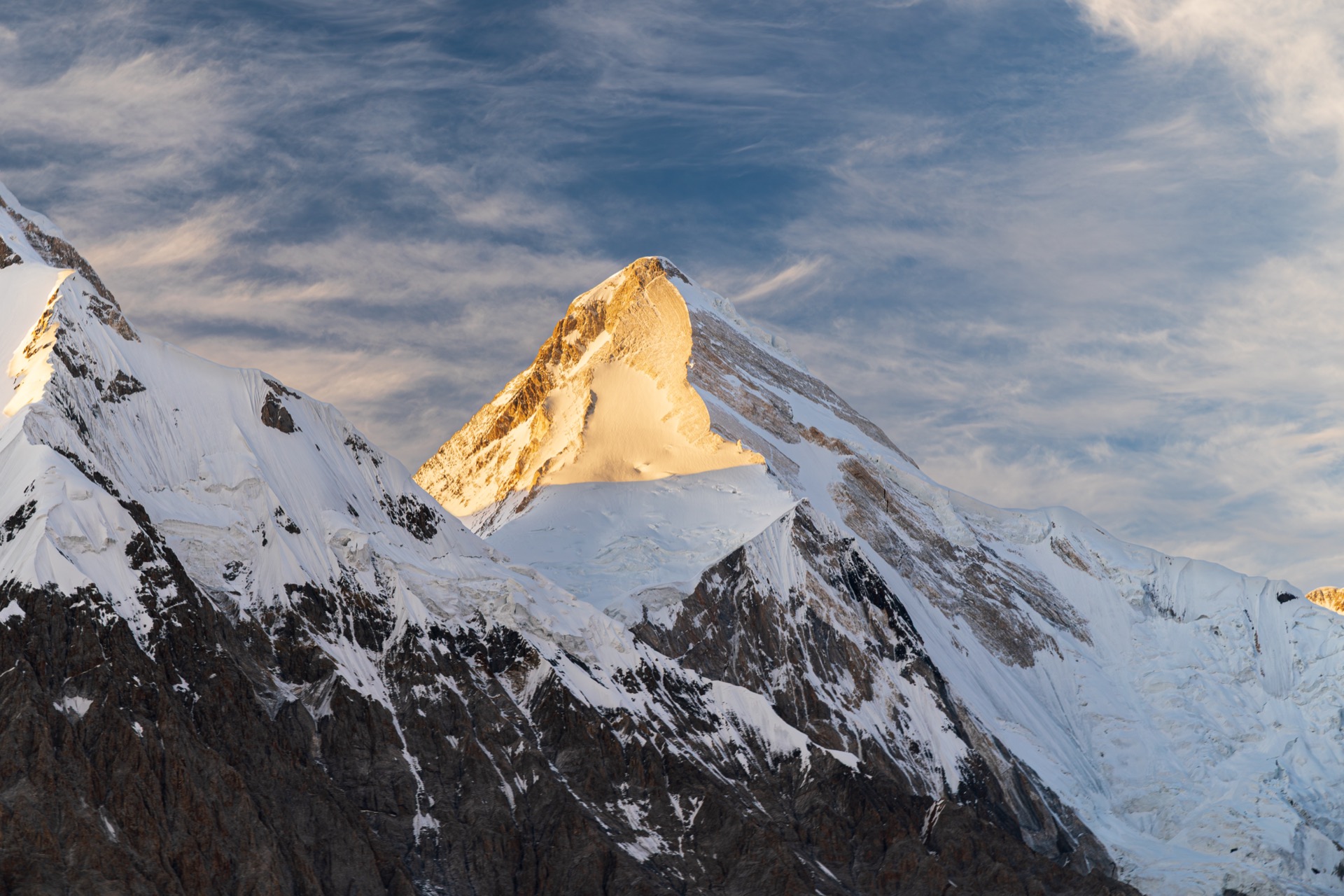
Peak Lenin at 7,134 m dominates panoramas; clear mornings after cold nights often deliver the sharpest air for long-lens peak detail and layered valley haze.
UNESCO-listed sacred mountain with city and Fergana views—telephoto compression from the summit paths, respectful shooting away from active prayer areas unless invited.
Match your kit to mountain cold, long hiking days, and occasional drone use—without carrying a studio in your pack.
Camera body
Mirrorless systems save weight on multi-day treks and pair well with compact zooms; full-frame helps in very low light at yurt camps if you shoot handheld.
16–35 mm wide
Ideal for jailoo panoramas, lake reflections, and tight canyon slots where you need edge-to-edge context without stepping off safe ground.
70–200 mm telephoto
Brings distant peaks, eagles, and candid pastoral scenes closer; also excellent for compressing layers along Issyk-Kul or the Alay.
Tripod
Essential for astrophotography at Song-Kul and Tash-Rabat, and for long exposures at waterfalls; carbon legs shave weight for horse-supported trips.
Power
Cold nights drain batteries fast—carry spares inside your jacket and a USB power bank for multi-day circuits.
Storage
64 GB cards or larger keep burst sequences and 4K drone clips from cutting a shoot short; backup to a second card when possible.
Drone
DJI Mini-class drones are popular for travel weight; register with the Civil Aviation Agency as required and avoid border zones, military areas, and crowds without permission.
Polarizing filter
Cuts glare on lake surfaces for deeper blues and clearer reflections—especially useful on Song-Kul, Ala-Kul, and Issyk-Kul shorelines.
Each season reshapes Kyrgyzstan photography: different colours, crowds, and road access to the best photo spots.
Wildflowers return to lower valleys while snow still caps the highest summits—ideal for contrast between colour and white peaks if roads to passes are open. Weather can shift quickly; pack layers and protect gear from dust on windy steppe days.
Green jailoo pastures, busy yurt camps, and long golden hours suit storytelling about nomadic life and horse culture. Midday sun is harsh for landscapes; plan hikes so you are at viewpoints for morning and evening light.
Golden larch and clear air after the first cold fronts deliver crisp detail on ridges; crowds thin compared with July–August. Nights cool fast—batteries and fingers need extra care before winter sets in.
Frozen lakes, snow textures, and eagle-hunting festivals open a different palette—monochrome-friendly scenes with high dynamic range. Cold-weather kits for cameras and hands are non-negotiable.
June and September often combine reliable high-country access with softer crowds—useful when you want uncluttered frames at popular viewpoints. Compare our seasonal pages for trip-wide context: spring and summer.
Song-Kul and Tash-Rabat rank among Central Asia’s better dark-sky locations when weather cooperates.
At high, sparsely lit pastures, the Milky Way can arc dramatically over yurt lines and stone caravanserais—exactly the kind of Kyrgyzstan photography that rewards a sturdy tripod, a fast wide lens, and patience for moonless nights. The core visibility window runs roughly May through September for the brightest core; winter offers some of the clearest skies but demands cold-weather discipline and shorter comfortable shooting times outside the tent.
Scout compositions by day so you are not stumbling on uneven ground at night; mark safe footing away from livestock ropes and camp edges. Pair astro nights with daylight scouting from Tash-Rabat or Song-Kul itineraries so you are not racing sunset drives on unfamiliar roads. If you are new to high-altitude nights, sleep lower the day before a big shoot to stay alert for focusing and safety.
Great Kyrgyzstan photography is built on trust—ask first, shoot second, especially around people and sacred places.
Ask before photographing people, with extra care around women and children—offer a smile, a gesture toward your camera, and accept a no without argument. Markets and bazaars are generally workable if you buy something small or establish rapport with stall holders before raising a long lens. In mosques and active shrines, seek explicit permission and avoid disruptive flash or loud shutters during prayer.
Never photograph border zones, checkpoints, or military installations—enforcement is strict and the risk is not worth any frame. If you are unsure whether an area is restricted, assume it is until a local guide or official confirms otherwise. Combining these habits with the location ideas above keeps your work respectful and keeps you on the right side of local expectations while you chase the best photo spots Kyrgyzstan offers.
Small habits that protect gear, improve files, and keep you moving between the best photo spots without burning out.
Start drives to canyons and lake viewpoints so you arrive thirty minutes before the light you want—marshrutkas and shared taxis rarely align with perfect golden hour, so private transfers or overnight stays near Issyk-Kul south-shore trailheads can pay for themselves in fewer missed skies. Carry a microfibre cloth and a blower for dust on lenses; steppe wind and gravel roads coat front elements faster than city trips. When hiking toward Karakol-area viewpoints, balance tripod weight against altitude: a lighter setup you actually carry beats a heavy kit left in the guesthouse. Bracket exposures for high-contrast scenes—snow against shadowed rock and bright sky will clip highlights on single frames. For wildlife and distant riders, pre-focus manually where autofocus hunts on low contrast. Review shots at zoom, not only on the rear screen, before you leave a location; returning to a pass next day is not always possible if weather closes in.
Hydration and snacks matter as much as batteries: mild altitude plus sun dehydrates you while you are absorbed in composition. Schedule rest after long mountain drives before you shoot detailed work—fatigue shows up as missed focus and crooked horizons. If you are building a library for print or licensing, shoot RAW, note location names in your metadata, and keep model releases in mind whenever faces are recognizable. Tie locations back to our destinations hub and gallery for inspiration, then refine timing with seasonal pages so your Kyrgyzstan photography trip lines up with open roads and the light you want.
Kyrgyzstan's remote altitude locations offer some of the darkest skies in Central Asia — Bortle 2-3 class with zero light pollution.
| Location | Altitude | Bortle | Best months | Highlights |
|---|---|---|---|---|
| Song-Kul lake | 3,016 m | 2–3 | Jun–Sep | Zero light pollution, yurt silhouettes, lake reflections. Best Milky Way site in Kyrgyzstan. |
| Tash-Rabat caravanserai | 3,500 m | 2 | Jun–Sep | Ancient stone building under the Milky Way — iconic foreground. Extremely dark, near-perfect conditions. |
| Alay Valley / Tulpar-Kul | 3,600 m | 2 | Jul–Sep | Peak Lenin with star trails. Remote, dry air, exceptional transparency. |
| Jyrgalan Valley | 2,300 m | 3 | Jun–Sep | Mountain meadow foregrounds, accessible from Karakol. Good for Milky Way arches over ridgelines. |
| Ala-Kul lake | 3,532 m | 2–3 | Jul–Aug | Turquoise lake reflecting stars. Requires camping. Best combined with the Ala-Kul trek. |
Where to be and when — the locations that define Kyrgyzstan landscape photography.
Mist lifting off the lake, yurts, horses, and herders — the defining Kyrgyzstan image. Arrive pre-dawn at camp.
Golden light on turquoise water below, snow peaks in every direction. Camp at the lake for golden hour.
Seven sandstone pillars glow bright red in early morning light. Free access, 30 min from Karakol.
Orange and red clay formations with Issyk-Kul reflecting sunset. Low-angle light creates dramatic shadows.
7,134m peak turns pink-gold at dawn. Shoot from the valley road with telephoto lens for compression.
Ancient minaret with Tian Shan backdrop catching last light. Historic Silk Road atmosphere.
Quick answers on locations, light, drones, gear, night skies, and etiquette.
Destinations, seasons, trails, trip planning, and visual inspiration—build a Kyrgyzstan photography trip that fits your style.
Regional guides to match each shoot—from Issyk-Kul and Karakol to Osh and the Alay.
Trail ideas that reach Ala-Kul, Jyrgalan, and high pastures with realistic day-by-day pacing.
What opens when, and how spring light behaves before the main high-season rush.
Long days, jailoo life, and how to schedule shoots around heat and afternoon storms.
Transport, budgets, and how to chain photo locations across the country efficiently.
Visual inspiration from landscapes, lakes, and culture across Kyrgyzstan.
Horse trek to the best sunrise and Milky Way location in Kyrgyzstan.
Peak Lenin panoramas, dark sky astrophotography, and remote Pamir views.
Jeti-Ögüz red rocks, Jyrgalan meadows, and photogenic Dungan architecture.