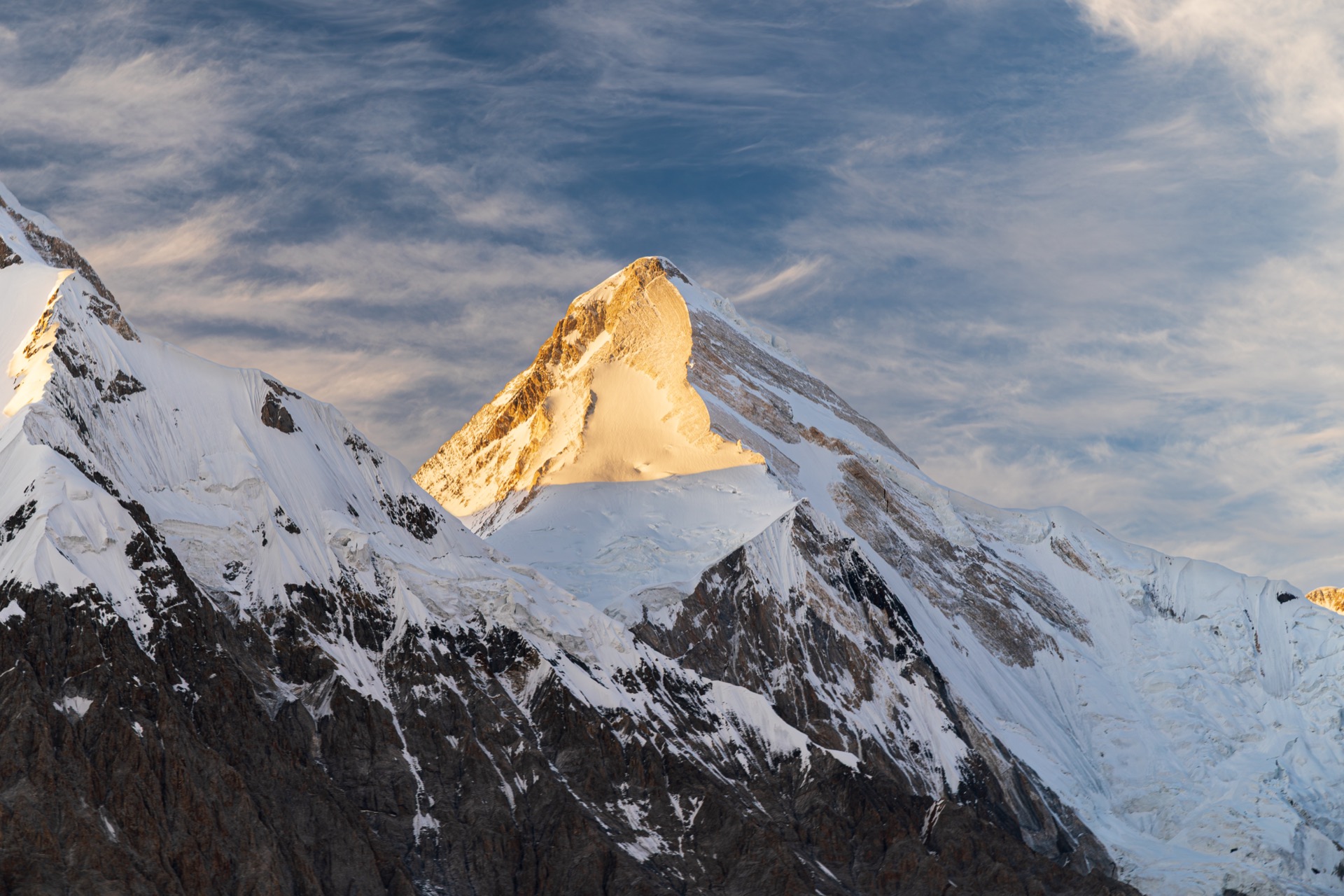
Summer in Kyrgyzstan
Kyrgyzstan summer travel peaks from June through September: Issyk-Kul beaches, endless treks, yurt camps on high jailoo, and festivals under clear skies — especially if you plan to visit Kyrgyzstan in July or August.
Season
June – September
Temperature
25–38°C valleys / 10–25°C mountains
Budget
$30–100/day
Services
Everything open
Kyrgyzstan summer travel at a glance
From Issyk-Kul’s shoreline to 4,000-metre passes, June through September is when the country is most accessible — and when searches for visit Kyrgyzstan July August turn into packed guesthouses and full mountain huts.
Summer is the default season for travellers who want the full toolkit: swimming, multi-day trekking, horse treks between yurt camps, and road access to remote valleys that stay snowbound the rest of the year. Kyrgyzstan summer travel means long daylight, busy shepherd trails, and a social scene concentrated around the lake and trekking towns — especially Karakol and the villages along Issyk-Kul’s south shore.
If you are weighing a two-week loop, combine Bishkek and Ala-Archa for acclimatisation, then head east for Karakol-based hikes and a few lazy Issyk-Kul beach days before pushing south toward Osh and the Alay if time allows. Those who visit Kyrgyzstan in July or August should expect heat in the lowlands and pleasant sleeping weather in the mountains — but also competition for beds unless you plan a little ahead.
Use the month-by-month breakdown below to align crowds, temperatures, and events with your style, then dive into destination cards for route ideas. For broader trip design — visas, transport, money — our planning hub ties everything together.
Month-by-month summer guide
Each summer month has a distinct personality. Match June through September to crowds, heat, and what you want from Kyrgyzstan summer travel.
June
Valleys warming; mountains mildThe sweet spot before the rush
June is when Kyrgyzstan summer travel really begins to feel effortless. High passes and multi-day trekking routes are largely clear of snow, yurt camps on Song-Kul and other jailoo pastures are open, and Issyk-Kul’s south shore starts to hum with guesthouses and small beaches — yet crowds are still lighter than in July and August.
For visitors targeting “visit Kyrgyzstan July August” but wanting a calmer first trip, June delivers almost everything peak season offers: horse treks between summer pastures, cultural festivals in the valleys, and long daylight for photography. Prices sit in a middle band — not the bargain of shoulder season, but rarely the premium of the absolute peak weeks.
If your priority is Kyrgyzstan summer travel with room to breathe on trails and at yurt stays, June is the month travel planners often recommend first.
July
25–38°C valleys; 10–25°C mountainsPeak heat, peak energy, all festivals
July is the beating heart of Kyrgyzstan summer travel for most international visitors. Valleys can feel furnace-hot — Bishkek and the Chuy region sometimes flirt with 40°C — while mountain air stays refreshingly cool above 2,500 metres. Every major trekking corridor, from Ala-Kul out of Karakol to remote approaches in the Alay, is reliably open.
This is also the busiest window: guesthouses fill, marshrutkas run full, and lakeside towns pulse with music and events. Cultural calendars stack horse games, regional festivals, and outdoor concerts; eagle hunting demonstrations are easier to schedule, and community-based tourism hubs are in full swing.
Expect the highest demand for beds and drivers. For July and August specifically, booking accommodation two to four weeks ahead is wise, especially on the north shore of Issyk-Kul and in Karakol.
August
High season; warm lake; cool peaksIssyk-Kul at its busiest, mountains still superb
August continues the high season for Kyrgyzstan summer travel. Issyk-Kul’s beaches see their greatest concentration of sun-seekers — Russian and Kazakh holidaymakers mix with backpackers along the north and south shores — while trekking and climbing conditions in the Tien Shan remain excellent. Water temperatures are at their most inviting for swimming after months of summer sun.
In years when Kyrgyzstan hosts the World Nomad Games (or related cultural programmes), August can align with extraordinary displays of archery, wrestling, and horse sport on a grand scale — worth checking official tourism announcements when you plan.
Mountain bikers and paragliding schools near the lake run regular trips; afternoon build-ups of cloud often bring dramatic skies, so start hikes early and plan around possible thunderstorms later in the day.
September
Cooling days; crisp nights at altitudeGolden light and quieter trails
September marks the transition from peak Kyrgyzstan summer travel toward golden autumn. Many high routes remain walkable well into the month, especially in the first two weeks, but nights at Song-Kul and other jailoo camps turn cold quickly — pack insulation and expect some yurt camps to wind down toward month’s end.
Crowds thin noticeably compared with July and August, and photography rewards patient travellers: angled light, yellowing grasses, and the first dusting of snow on the highest summits. It is an underrated chapter for visitors who want Issyk-Kul and mountain scenery without summer’s intensity.
If you are comparing “Kyrgyzstan summer travel” windows, think of September as the epilogue — still summer in spirit for hiking, but with a foot already in autumn’s quieter rhythm.
Top 7 summer destinations
These places shine brightest when passes are open, yurt camps are staffed, and the lake is warm enough for a swim after a long hike.
Song-Kul
High pastureYurt camps peak in summer: nomadic hospitality, horseback days, and star-filled nights above 3,000 metres. The classic Kyrgyzstan summer travel image — turquoise lake ringed by jailoo — lives here.
Issyk-Kul
Lake & beachesBeach afternoons and mountain day trips in one itinerary. The north shore bustles with resorts; the south shore offers a mellower Kyrgyzstan summer travel pace with dramatic views of snow peaks across the water.
Karakol
Trekking hubGateway to Ala-Kul, Jeti-Oguz, and multi-day routes toward the Chinese border. Base yourself here for Kyrgyzstan summer travel focused on hut-to-hut style trekking and reliable local guides.
Ala-Archa
Day hikesLess than an hour from Bishkek, this national park delivers glaciers and ridges without multi-day commitment — ideal for acclimatisation or a first taste of altitude during a short July or August visit.
Arslanbob
Walnut forestOne of the world’s largest natural walnut forests, cool under the canopy on hot days. Homestays, waterfall walks, and a different rhythm from the high peaks — strong for families and culture-focused Kyrgyzstan summer travel.
Alay Valley
Peak Lenin viewsOsh’s mountain backyard frames Peak Lenin and the Pamir-Alay skyline. Summer opens trekking and mountaineering access for those combining southern Kyrgyzstan with cross-border plans.
Karavshin
Big-wall climbingRemote granite walls draw serious climbers in the Batken high country. Approaches take time, but for technical summer climbing in Central Asia, Karavshin belongs on the short list alongside classic trekking destinations.
Browse the full country list on our destinations page and compare regions before you commit to a route.
Summer activities
When everything is open, the hard part is choosing — not finding something worth doing.
Multi-day trekking
From late June through September, essentially all major trekking routes are open: passes clear, rivers fordable, and shepherd trails busy with livestock. Ala-Kul, Ak-Suu, Jyrgalan ridgelines, and longer traverses reward fit hikers with non-stop alpine scenery.
Horse trekking & jailoo life
Summer is horse season. Multi-day rides between summer pastures — Kochkor to Song-Kul is the postcard route — connect yurt stays, river crossings, and nomadic families who earn income hosting travellers. Book through reputable CBT offices or established outfitters.
Issyk-Kul swimming & beach time
The “warm lake” earns its nickname in July and August: gravel bays, small resorts, and public strips fill with swimmers escaping valley heat. Pair beach mornings with afternoon hikes or drives into side valleys for a balanced Kyrgyzstan summer travel week.
Festivals & World Nomad Games years
Summer concentrates music, sport, and horse culture. In Nomad Games years, international visitors time trips around equestrian and archery spectacles; even in other summers, regional games and village celebrations pop up across Issyk-Kul and Naryn provinces.
Eagle hunting demonstrations
Hunting with eagles is a living tradition in parts of Kyrgyzstan. Summer schedules make it easier to arrange ethical demos tied to family hunters rather than roadside traps — ask community tourism offices for referrals.
Mountain biking
Lift-access and valley trails near Karakol, gravel roads around Issyk-Kul, and backcountry routes for experienced riders expand every year. Bring spare tubes and plan water carefully — summer sun is relentless at altitude.
Paragliding near Issyk-Kul
Tandem flights from hills above the lake offer bird’s-eye views of the Tien Shan rim. Calm morning windows are best; operators typically run more frequently in July and August when thermals are predictable.
Route ideas and difficulty ratings live on our trekking page — pair it with this summer overview when you shortlist passes and trailheads.
Practical tips for July, August & high season
A little planning keeps Kyrgyzstan summer travel safe and enjoyable from the capital’s heat waves to thundery ridges.
Book ahead in July and August
Reserve guesthouses, yurt camps, and popular drivers roughly two to four weeks ahead for peak weeks — sooner for national holidays or festival dates. June and September offer more flexibility.
Sunscreen SPF 50+
UV intensity rises with elevation. Snowfields and lake glare multiply exposure — reapply on passes and during long Issyk-Kul beach sessions.
Hydration at altitude
Even when temperatures feel mild above 3,000 metres, dry air and exertion dehydrate quickly. Carry extra water on treks and limit alcohol on acclimatisation days.
Afternoon thunderstorms
Mountains often build cumulus by midday. Start hikes early, watch the sky, and descend from exposed ridges before lightning risk peaks — a routine part of safe Kyrgyzstan summer travel in the Tien Shan.
Urban heat in Bishkek
The capital can exceed 40°C on the hottest days. Plan city sightseeing for mornings, seek shade and air-conditioning, and escape to Ala-Archa or the hills when the concrete radiates heat.
Summer travel FAQ
Quick answers on timing, budgets, weather, and how summer compares to other seasons.
Is July or August the best time for Kyrgyzstan summer travel?
July and August offer the warmest Issyk-Kul swimming, the fullest festival calendar, and guaranteed access to high trekking routes — ideal if you want beaches and mountains in one trip. June and September trade some heat and crowds for quieter trails and slightly lower prices. There is no single “best” month; match June–September to your tolerance for heat, crowds, and cold nights at altitude.
How much does a summer trip to Kyrgyzstan cost?
Budget roughly $30–100 per day depending on style: homestays and marshrutkas sit at the lower end, private drivers and international-style hotels at the upper. July and August push accommodation prices highest around Issyk-Kul and Karakol; cooking some meals and mixing homestays with hotels keeps averages reasonable.
What should I book in advance for July and August?
Prioritise guesthouses and yurt camps on busy corridors — north Issyk-Kul, Karakol, Song-Kul — two to four weeks ahead when possible. Popular drivers and multi-day horse treks also benefit from early confirmation. Domestic flights and shared taxis have more same-day flexibility but fill on weekends.
Is Issyk-Kul warm enough to swim in summer?
Yes. From late June through August the lake is pleasant for swimming in sheltered bays, especially on the south shore. Water temperatures lag air temperatures — midday is most comfortable. Always check local conditions and swim where locals do.
Are thunderstorms dangerous for trekkers?
Afternoon storms are common in the mountains. Risk comes from lightning on exposed ridges and sudden temperature drops. Start early, carry a waterproof shell, and turn back or descend if clouds build rapidly. Guides and yurt hosts often know real-time weather patterns.
How does summer compare to spring for visiting Kyrgyzstan?
Spring (March–June) offers blossoms, fewer tourists, and lower prices, but high pastures and passes open later. Summer (June–September) unlocks Song-Kul yurt life, full trekking networks, lake swimming, and peak festival activity. For a direct contrast, read our spring guide and decide whether you prioritise wildflowers or guaranteed high-country access.
More resources for your trip
Layer this summer guide with seasonal context, packing depth, and the full year-round calendar.
Plan Your Trip
Budget ranges, transport modes, sample itineraries, and how to stitch regions together.
Trekking
Trail difficulty, best months per route, and what to expect on multi-day hikes.
Destinations
All regions and place pages — filter by interest and build a logical route.
Spring in Kyrgyzstan
Compare shoulder-season blooms and prices with peak summer access.
Packing list
Layering, electronics, toiletries, and trek-specific gear in one checklist.
When to visit
Twelve-month overview: weather, festivals, and trade-offs across the year.
Issyk-Kul beaches
North shore resorts, south shore coves, water temps, and swim season calendar.
World Nomad Games
Kok-boru, eagle hunting, horse archery — Kyrgyzstan's biennial nomadic festival.
Weather guide
Month-by-month temperatures, rainfall, and best conditions for each region.