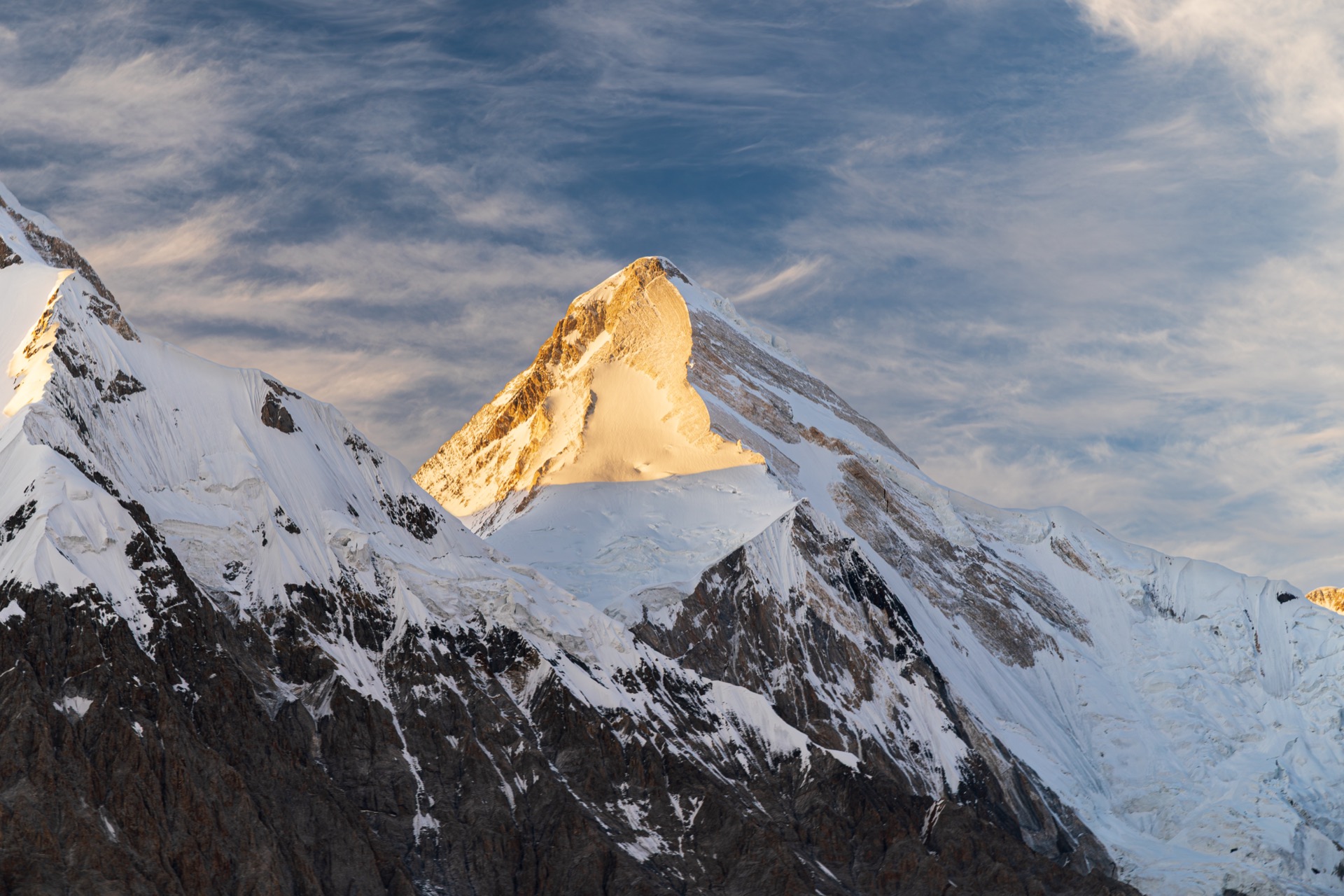
Karakol town with Tian Shan peaks backdrop
City guide

Things to Do in Karakol

Trekking gates, hot springs, Dungan flavours, and Issyk-Kul day trips from Kyrgyzstan's adventure capital. Use this guide for timing, USD costs, and how to stitch two to five days without missing the cathedral, the market, or the mountains.

Population

80,000

Altitude

1,770m

Best months

May–October

Avg. daily cost

$15–50

Eastern Issyk-Kul

Karakol: gateway to the Tian Shan

Adventure capital energy, Soviet grids, and cultures that make the town more than a trek pickup point.

Karakol is Kyrgyzstan's adventure capital—the town most travellers trust as a gateway to the Tian Shan, the eastern horn of Issyk-Kul, and some of Central Asia's best-value mountain days. From here you stage Ala-Kul's turquoise pass drama, Jyrgalan's emerging valleys, Altyn-Arashan's steamy pools, and winter laps at Karakol Ski Base without reinventing your route every morning. The setting mixes thin air at 1,770m with a practical grid of guesthouses, gear shops, and CBT desks that speak trekking fluently in peak season.

Soviet-era avenues hide surprises: a thriving Dungan (Chinese Muslim) community serving ashlan-fu and intricate wooden architecture, a sky-blue Russian Orthodox cathedral that creaks with nineteenth-century timbers, and Central Asian cold-noodle counters that rival any capital food crawl for flavour-per-dollar. Sunday mornings belong to the animal market's honest chaos; afternoons might drift toward Przhevalsky's lakeside museum or red-rock detours to Jeti-Ögüz. For neighbourhood depth, transport hints, and the story behind the mosques, continue with our full Karakol destination guide—then loop back here when you are ready to lock activities, dollars, and day-by-day pacing.

Trekking to tables

Top things to do in Karakol

Twelve picks spanning multi-day treks, soaks, faith architecture, markets, lake outings, and arranged cultural demos—with realistic time and USD spend.

Trek3–4 days$35–55/day guided

Ala-Kul Lake Trek

The Ala-Kul circuit is Karakol's most iconic trek: alpine lake drama, a high pass, and yurt nights that bookend serious vertical. Most travellers stage guides, horses, or both through CBT or local agencies; independent trekkers still need solid maps, weather sense, and respect for altitude. Expect glacier views, crowded August trails, and a payoff that justifies every blister.

Trek1–5 days$15–60/day

Jyrgalan Valley trails

East of town, Jyrgalan has emerged as the quieter alternative—pristine valleys, homestay hospitality, and day hikes that scale up to multi-day ridgelines without the Ala-Kul crowds. Costs swing with guides, pack horses, and whether you self-cater in guest kitchens. It pairs well with a Karakol base night before and after for gear sorting and hot showers.

Day trip / overnight1–2 days$10–25

Altyn-Arashan hot springs

Soviet jeeps or long hikes deliver you to timber cabins and natural thermal pools at roughly 2,600m—mist, pine scent, and sore-leg therapy after trekking. Day trippers soak and return; overnighters sleep simple and wake to ridge light. Budget jeep share, pool entry, and optional meals; winter access is a different calculation entirely.

Culture30 minFree

Dungan Mosque

This wooden mosque was built without nails—a showpiece of Dungan (Chinese Muslim) craftsmanship tucked into Karakol's streets. Dress modestly, remove shoes where asked, and visit between prayer times for the calmest light through painted columns. It is a compact stop that reframes the town beyond trekking logistics.

Culture30 minFree

Holy Trinity Cathedral

The blue-trimmed wooden Russian Orthodox cathedral survived Soviet decades and earthquakes; icons and creaking floors feel worlds away from the bazaar noise. Visitors should keep voices low and cameras respectful when services run. Stack it with the Dungan mosque the same morning for a two-faith stroll through Karakol's layered history.

Market2–3 hoursFree

Sunday Animal Market

Livestock trading concentrates on Sunday mornings on Karakol's edge—horses, sheep, and bargaining in a raw, photogenic swirl. Arrive early for peak action, wear mud-friendly shoes, and ask before portraits. There is no ticket; spending stays optional unless you suddenly decide you need a felt mat from a peripheral stall.

WinterFull day$10–15 lift pass

Karakol Ski Base

Roughly twenty minutes from town, the local ski hill offers affordable lift passes and mellow pistes when the Tian Shan is white. Rent gear in Karakol if you did not fly with boots; weekends draw Bishkek city crowds. It is not Chamonix, but it is honest mountain fun on a backpacker budget.

Museum1 hour$2

Przhevalsky Museum

A short hop toward Issyk-Kul's shore, this memorial complex honours the Russian explorer Nikolai Przhevalsky with maps, specimens, and garden quiet. Pair it with lake views the same afternoon. The modest entry fee keeps exhibits low-key—ideal for travellers who want context without another full trekking day.

Food2 hours$5–10

Ashlan-fu food tour

Dungan cold noodles—vinegary, spicy, restorative—anchor a crawl through Karakol's best cheap tables and bazaar corners. Budget a handful of dollars per stop and follow lunch crowds for freshness. It is the tastiest argument for staying downtown an extra half-day when your legs refuse another pass.

Day tripHalf dayFree

Jeti-Ögüz red rocks

The "Seven Bulls" sandstone formations and Broken Heart lookout photograph well in morning sidelight; marshrutkas and shared taxis handle the run south along Issyk-Kul. Pack water and sun cover—there is little shade on the ridges. Combine with shoreline swimming if summer heat demands a lake dip on the return leg.

Day tripHalf day$5 transport

Barskoon waterfall

South-shore Issyk-Kul delivers a 55-metre cascade reached by short walking from the roadhead—mist, spray, and a picnic-friendly base. Shared transport from Karakol typically runs a few US dollars each way if you join others; private taxis cost more but buy time. It is a lighter outdoor hit when multi-day trekking is off the table.

Culture2–3 hours$20–40

Eagle hunting demonstration

Golden eagles, handlers, and steppe protocol come together in arranged demos through CBT Karakol, tour operators, or trusted guesthouse fixes—never random roadside touts. Prices cluster in the twenty-to-forty-dollar range per person depending on group size and transfers. Treat it as cultural tourism with animal-welfare questions answered upfront by your organiser.

Sample pacing

Day-by-day suggestions

Stack culture in town, add one mountain hit, or commit to a full trek window—here is how the pieces fit.

Two days:Day one walks the Dungan mosque and Holy Trinity Cathedral back-to-back, then chases an ashlan-fu crawl through downtown. Day two chooses either a shared jeep to Altyn-Arashan ($10–25 all-in for many travellers) or a half-day marshrutka outing toward Jeti-Ögüz's red rocks—both return you to a guesthouse bed without tent logistics. If the calendar shows Sunday, swap the morning for the animal market before anything else.

Three days: Add an overnight in Jyrgalan or a two-day preview of its valley trails ($15–60/day depending on guides and lodging) after your urban primer. Alternatively, keep two nights in Karakol and spend one long day reaching Barskoon waterfall (~$5 transport share) with Issyk-Kul swimming on the return. Either path preserves a rest evening before you commit to bigger mileage.

Five days: Block three to four days for the guided Ala-Kul circuit ($35–55/day typical) bookended by recovery nights in town—first day for CBT briefings and gear checks, last day for Przhevalsky Museum ($2) or an eagle demonstration ($20–40). If Ala-Kul is not your priority, trade the middle block for Jyrgalan multi-days plus Altyn-Arashan, threading trekking planning with hot springs recovery instead.

On the ground

Practical tips for Karakol

Sleeping, transport, gear, food, community tourism, and cash—so town days stay smooth.

Best accommodation areas: Prioritise guesthouses within a short walk of the old-town cluster near the Dungan mosque and cathedral—minimise taxi use between briefings, meals, and evening strolls. Confirm laundry and luggage storage if you are trekking out.

Transport from Bishkek: Shared taxis cover the five- to six-hour run for roughly $8–10 per seat; marshrutkas cost less but add time and crowding. Start early and keep small som notes for snacks en route.

Renting gear:Karakol's outdoor shops rent sleeping bags, tents, and stoves—compare deposit rules before you sign multi-day contracts. Test zippers and pole tension before you leave town; replacement shops thin out past the trailhead.

Restaurants and cafes: Ashlan-fu specialists and bazaar canteens anchor budget dining; a few cafes cater to trekkers with espresso and Wi-Fi when you need route research. Layer in our food guide for national dishes beyond Dungan noodles.

CBT office: Community Based Tourism Karakol sits centrally—stop in for maps, vetted guides, and homestay bookings rather than informal curbside deals. English availability is best mid-morning on weekdays in summer.

ATMs and cash: Withdraw before weekend market crowds; some guesthouses still prefer som cash for balance payments. Keep USD small bills separately if you are settling tours with operators who quote in dollars.
Planning answers

Things to do in Karakol — FAQ

Days needed, Bishkek transfers, seasons, stays, trekking desks, safety, and what to eat between hikes.

How many days do you need in Karakol?+
Two days cover the Dungan mosque, Holy Trinity Cathedral, ashlan-fu crawl, and a Sunday animal market if your dates align, plus one short valley outing. Three to four days add Altyn-Arashan or a serious day-hike block in Jyrgalan; five or more let you run the Ala-Kul trek without rushing recovery. Budget an extra buffer day for weather on mountain legs.
How do I get to Karakol from Bishkek?+
Shared taxis and marshrutkas run the eastern highway in roughly five to six hours; shared taxi seats commonly land around eight to ten US dollars when split fairly. Morning departures beat afternoon heat and traffic pinch points. Private cars cost more but buy schedule control—useful if you are connecting straight to a trek briefing.
Is Karakol worth visiting?+
Yes—Karakol is the single best base for Tian Shan trekking, affordable skiing, and Issyk-Kul's eastern shore culture in one walkable grid. You trade Bishkek's nightlife scale for mountain access and Dungan food scenes you will not replicate in the capital. If Ala-Kul, Jyrgalan, or hot springs are on your list, skipping Karakol would be an odd itinerary choice.
What is the best time to visit Karakol?+
May through October covers most trekking, lake swimming, and pass access, with July and August busiest on Ala-Kul. June and September often balance snowmelt, crowds, and stable weather. Winter visitors come for skiing and stark landscapes, but high passes and some jeep roads demand different planning and gear.
Where should I stay in Karakol?+
Guesthouses and small hotels near the old-town core—close to the mosques, cathedral, and ashlan-fu counters—save walking minutes between culture stops and CBT briefings. Streets radiating from the bazaar keep dinner and breakfast cheap; confirm hot water and luggage storage if you are trekking out. Book ahead for August and major Kyrgyz holidays.
Can I arrange treks from Karakol?+
Absolutely—CBT Karakol, independent guides, and tour desks line up Ala-Kul, Jyrgalan, and horse-supported itineraries with transparent per-day rates often between roughly thirty-five and sixty US dollars depending on services. Compare inclusions: food, tent, porter, and park fees move quotes quickly. Visit the office early in your stay to secure English-speaking guides in peak season.
Is Karakol safe?+
Karakol is generally safe for travellers who use daylight marshrutkas, keep cash discreet at markets, and hire registered drivers for mountain roads. Petty theft is uncommon but possible near busy bazaars; trekking safety is more about weather and route discipline than urban crime. Pair common-sense habits with our nationwide safety context when you plan night travel.
What food should I try in Karakol?+
Start with ashlan-fu, the Dungan cold-noodle bowl that costs roughly five to ten US dollars across a mini crawl, then layer lagman, manty, and bazaar fruit between trek days. Sunday market periphery stalls sell breads and snacks for van rides. Our food guide explains national dishes that complement Karakol's Chinese-Muslim specialties.