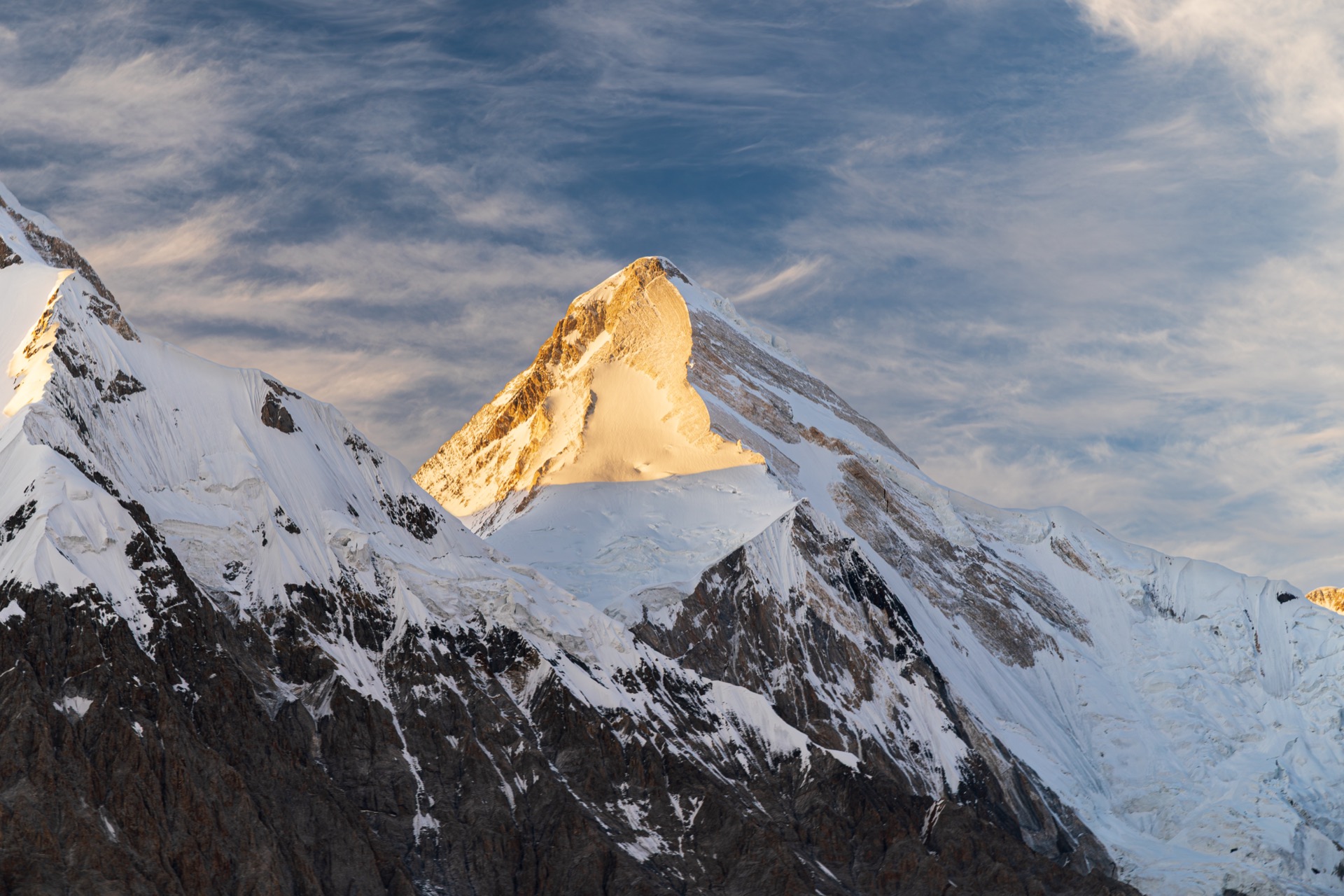
High mountain landscape in Kyrgyzstan
Kyrgyzstan & Central Asia

Kyrgyzstan Travel Insurance Guide

Everything you need for Kyrgyzstan travel insurance and peace of mind across travel insurance Central Asia style itineraries—altitude limits, evacuation, costs, and claims.

Essential

Yes — no free healthcare for foreigners

Typical cost

$2–8 / day

Must cover

Altitude trekking & emergency evacuation

Top pick

World Nomads or SafetyWing

Start here

Why Kyrgyzstan travel insurance is non-negotiable

The country rewards adventurous travellers, but geography and healthcare access mean the financial downside of an uninsured emergency is unusually sharp.

Kyrgyzstan sits at the heart of Central Asia’s most dramatic mountain scenery. That beauty comes with real exposure: multi-day treks routinely cross passes well above 3,500 metres, yurt stays cluster on high jailoo, and the road network—though improving—still includes long gravel sectors where an ambulance may be many hours away. When travellers search for Kyrgyzstan travel insurance, they are usually trying to answer one question: will my policy still pay if I get hurt where Google Maps shows only contour lines and a dirt track?

Unlike some countries with reciprocal health agreements, Kyrgyzstan does not offer free comprehensive care to short-term visitors. State facilities outside major cities may lack equipment you would expect at home; private clinics in Bishkek deliver a higher standard but bill in cash or card at Western-aligned rates. For anyone comparing travel insurance Central Asia products, the critical test is not the marketing banner—it is whether medical, evacuation, altitude, and activity clauses align with the actual days you will spend on foot, on horseback, or in a shared taxi climbing a 3,000-metre pass.

This guide walks through those specifics: why high country changes the risk profile, how five well-known providers typically position themselves, which coverage limits matter most, and how to document a claim if something goes wrong. Use it alongside our safety, trekking, and planning pages so insurance becomes one line item in a trip that is exciting—not anxious.

Kyrgyzstan-specific risks

Altitude, remoteness, horses, and roads

Insurers price policies using statistical risk. In Kyrgyzstan, the headline risks are geographic and logistical as much as criminal.

High-altitude trekking is the signature activity. Popular routes in the Tian Shan and Pamir approaches regularly sleep campers above 3,500 metres, and some mountaineering-style objectives approach or exceed 6,000 metres on permitted expeditions. Altitude illness can escalate from headache to life-threatening pulmonary or cerebral oedema. Descent is the treatment—but descent may require porters, horses, or a vehicle on a rough track. Your policy should treat that chain of transport as medically necessary evacuation, not an optional tour add-on.

Remote valleys mean sparse hospitals. Villages may have a small rural health post; serious trauma often ends in a long transfer toward Bishkek, Osh, or occasionally abroad. There is no dependable public helicopter rescue service for tourists comparable to Alpine networks. When air assets exist, they are limited, weather-dependent, and arranged case by case. In practice, evacuation by road can take twelve hours or more from the deepest valleys—during which bleeding, infection, or shock must be managed as well as possible. Insurance with a high evacuation limit and a 24-hour assistance hotline is how you access coordinated help instead of improvising alone.

Horse riding accidents belong in the same planning bucket as trekking. Kyrgyz equestrian culture is central to rural life; visitors join day rides, multi-day horse treks, and festival games. Falls, kicks, and rope burns happen. Many generic travel policies exclude riding unless you buy an adventure module—exactly the clause that blindsides travellers who assumed “trekking” covered everything on the trail.

Road conditions complete the picture. Mountain highways are narrow, occasionally unpaved, and shared with livestock. Night buses and drunk driving remain concerns in line with regional norms. Seatbelts, sober drivers, and daylight travel reduce risk, yet collisions still generate insurance claims. A policy that only covers trekking but ignores medical transport after a traffic incident would leave you exposed—choose comprehensive emergency medical benefits, not a narrow sports rider alone.
Compare before you buy

Five providers travellers use for Kyrgyzstan

Figures are typical market ranges and can change by age, residency, and add-ons—always read the current policy wording before payment.

World Nomads

$3–6 / day

Covers trekking to 6,000 m on suitable plans, strong reputation among long-haul backpackers, and a claims process that many travellers describe as straightforward when documentation is complete. Widely used on multi-country Central Asia loops.

SafetyWing

$1.50–3 / day

Subscription-style medical travel insurance that suits digital nomads and open-ended trips; trekking cover typically up to 4,500 m depending on plan wording—verify before high passes. Often one of the most affordable ongoing options.

Heymondo

$2–5 / day

Comprehensive travel medical and trip benefits with optional add-ons for higher-risk activities. Read the adventure or sports extension carefully if you plan horse trekking, mountaineering, or remote camping.

Allianz

$4–8 / day

Traditional insurer structure that many families already trust from home trips. Pre-existing conditions may be covered with the right upgrade. Compare altitude and activity exclusions against a Kyrgyzstan trekking itinerary.

True Traveller

$2–4 / day

UK-based specialist with trekking to 6,000 m on eligible policies and solid adventure-sports wording for many travellers. Availability depends on residency and eligibility rules—confirm you qualify before purchase.

None of the names above sponsor this site; they appear because independent travellers and tour leaders cite them often when discussing Kyrgyzstan travel insurance. Obtain quotes from at least two underwriters and compare exclusions side by side.

Policy checklist

What your plan should cover

Tick these categories against the PDF schedule before you pay—especially the numbers in US dollars or euros for medical and evacuation.

Medical expenses

A minimum of $100,000 in emergency medical benefit is a sensible floor for serious hospital care, surgery, or complications from altitude illness. In Bishkek, private clinics can stabilise many issues; complex cases may involve transfer abroad.

Emergency medical evacuation

Target at least $50,000 for evacuation. Kyrgyzstan has vast road distances and no reliable public helicopter rescue network for tourists. A bad injury on a remote trail can mean many hours over mountain roads before advanced care.

Trip cancellation & interruption

Covers prepaid yurt camps, domestic flights, and guided treks if you or a close family member becomes seriously ill before departure or mid-trip. Keep invoices and cancellation policies from each provider.

Baggage & gear

Cameras, tents, and riding helmets add up. Check per-item limits and whether electronics need a rider. Theft claims usually require a police report—obtain one in Bishkek or the nearest town even if officers are busy.

Altitude trekking

Policies often cap trekking by maximum metres above sea level. Cross-check every pass and overnight camp on your route against the policy schedule. Buying the wrong tier can void cover on the Ala-Archa plateau or a Pamir crossing.

Horse riding

Some insurers treat mounted trekking as an excluded sport unless you add an adventure pack. If you plan a multi-day ride to Song-Kul or a hunting demonstration in Naryn Province, get written confirmation that riding is included.

Repatriation

Medical repatriation to your home country after a stabilised emergency is expensive. Ensure your policy lists repatriation separately from local evacuation so there is no gap if you need a long-haul flight with medical escort.

If you need to claim

Claims process & documentation

Insurers pay valid claims when the paper trail is clear. In Kyrgyzstan, that means planning ahead for receipts, reports, and language.

Start every potential claim with the same habit: keep all receipts for doctor visits, medication, taxis to hospitals, and extra nights in a hotel if you are unfit to travel. Photograph bills before you fold them into a backpack pocket. For theft, file a police report even if officers seem uninterested—the report number is often mandatory for baggage and electronics coverage.

Ask clinicians for hospital documentation in English where possible. Many international claims teams work in English or German; Cyrillic-only paperwork slows review. In Bishkek, private clinics such as NeoMed and MedCenter frequently treat expatriates and tourists and can supply summaries suited to overseas insurers. Pay for certified translation if the facility cannot produce English—cheaper than a denied claim for ambiguity.

Notify your insurer as soon as you are stable—usually within seventy-two hours of an inpatient admission or theft, unless you were unconscious in intensive care. Complete the full file within roughly thirty days unless the company grants an extension. Assistance lines can sometimes guarantee payment to hospitals directly; if you pay out of pocket, retain bank card slips showing currency conversion.

Link your insurance planning with daily budgets, camping logistics, and solo travel checklists so your emergency contact at home knows your policy number, coverage dates, and the rough outline of your route.

Quick answers

Travel insurance FAQ

Eight questions travellers ask when comparing Kyrgyzstan and wider Central Asia cover.

Do I need travel insurance for Kyrgyzstan?+
Yes. Kyrgyzstan does not provide free healthcare to foreign visitors, and serious illness or injury in the mountains can require long road transfers or costly private care. A suitable policy turns a potential five-figure emergency into a managed claim instead of a personal financial crisis.
How much does Kyrgyzstan travel insurance cost?+
Most visitors pay roughly $2–8 per day depending on age, trip length, activities, and medical limits. Short adventure policies from specialists often sit in the middle of that range; subscription products can be lower per day on long stays.
Does standard travel insurance cover trekking in Kyrgyzstan?+
Not always. Many generic policies exclude trekking above 3,000 m or treat it as an optional extra. Because numerous classic routes in Kyrgyzstan exceed 3,500 m, you must match the policy altitude limit to your actual itinerary and buy an upgrade if needed.
Is helicopter rescue included in Kyrgyzstan travel insurance?+
Helicopter rescue is not a guaranteed public service for tourists in Kyrgyzstan. Some policies cover air ambulance when medically necessary and arranged through approved assistance companies; others reimburse only after the fact. Read the evacuation section carefully and save your insurer’s emergency number offline.
World Nomads or SafetyWing for Kyrgyzstan?+
World Nomads suits higher-altitude trekking and multi-activity trips when the selected plan explicitly covers your maximum elevation. SafetyWing appeals to nomads and longer stays at lower cost but caps trekking altitude lower on standard wording—pick the product whose limits match your real route.
Does travel insurance cover horse riding in Kyrgyzstan?+
Only if the policy or an add-on lists recreational horse riding or trekking. Default exclusions are common. Before you book a horse trek to alpine jailoo, email the insurer for written confirmation or choose a provider known for adventure extensions.
What documents do I need for a travel insurance claim?+
Keep every receipt, discharge summary, prescription, and transport invoice. For theft, file a police report promptly. Request English summaries from hospitals where possible. Most insurers expect notification within a few days of the event and full paperwork within about thirty days unless they grant an extension.
Where can tourists get English medical reports in Bishkek?+
Private facilities such as NeoMed and MedCenter are accustomed to foreign patients and can often supply documentation in English or help you obtain a translated discharge summary—useful for faster claims processing with international underwriters.