8 camps and locations with real pricesWhere to Stay in a Yurt in Kyrgyzstan
From the iconic alpine lake at Song-Kul to walnut-forest yurts in Arslanbob — each location offers a different altitude, culture, and price point.
3,016 mJune 10 – Sept 15Alpine lake20+ family campsHorse riding $10–15/hr
Song-Kul is THE definitive Kyrgyz yurt experience. Twenty-plus family-run camps line the shore of this vast alpine lake, each offering dinner, a bed on felt rugs, and breakfast for fifteen to twenty-five dollars. Book through CBT Kochkor or CBT Naryn, or arrive and negotiate on-site during quieter weeks. Horseback riding costs ten to fifteen dollars per hour from most camps. Wake to horses grazing at the door, lake mist burning off at sunrise, and absolute silence except livestock bells. The road from Kochkor climbs through switchbacks that reward patience — most travelers arrange shared transport or a guided horse trek over a pass for the full approach experience.
3,500 mJune – September15th-century caravanseraiBortle 1–2 skiesRemote
Two to three yurt camps cluster beside the remarkably preserved fifteenth-century stone caravanserai, once a waypoint on a Silk Road branch toward Kashgar. Fewer tourists reach Tash-Rabat than Song-Kul, which means quieter nights and a caretaker family that often shares evening tea and stories. The night sky here rates Bortle 1 to 2 — among the darkest on Earth — making it a bucket-list stop for astrophotographers. Book via CBT Naryn or show up and ask; capacity is limited so July and August benefit from advance arrangements.
Jailoo camps near Kochkor
$15–20/night2,500–2,800 mJune – SeptemberCBT-organized2–3 hr drive from Bishkek + 1 hr horsebackFirst-timer friendly
Kochkor sits in a wide valley two to three hours south of Bishkek, and from there a short horseback ride or 4WD transfer reaches seasonal jailoo pastures where CBT-arranged yurts stand among herds. This is the gentlest introduction for first-timers: lower altitude than Song-Kul, shorter logistics, and the Kochkor CBT office handles everything from transport to meals. Felt-making cooperatives in town add a cultural layer before or after the overnight stay.
Son-Kul community camps
$15–25/night3,000 mJune – SeptemberCommunity-runProfits to herder familiesMore authentic
Distinct from the larger tourist-oriented Song-Kul camps, these community-run alternatives channel profits directly to herder families rather than tour operators. Arranged through Destination Karakol or Kochkor CBT, stays feel less like a scheduled program and more like sleeping in a working pastoral camp. Expect fewer amenities but deeper interaction — helping with evening milking or watching felt being pressed between pasture chores. Ideal for travelers who want participation over observation.
Suusamyr Valley yurts
$10–15/night2,000–2,200 mJune – SeptemberBishkek–Osh highway3 hrs from BishkekMost accessible
The wide Suusamyr Valley straddles the main Bishkek–Osh highway, and roadside yurt camps here offer tea, kumys, and meal breaks to passing travelers. Some provide overnight stays at the lowest prices in the country — ten to fifteen dollars for dinner, a bed, and breakfast. This is the most accessible jailoo from the capital, making it a realistic option even on tight schedules. The valley itself is strikingly broad, framed by snow-dusted ridges, with herds of horses dotting the grassland in every direction.
3,000 mLate June – AugustPeak Lenin views (7,134 m)Mountaineering base areaSouthern Kyrgyzstan
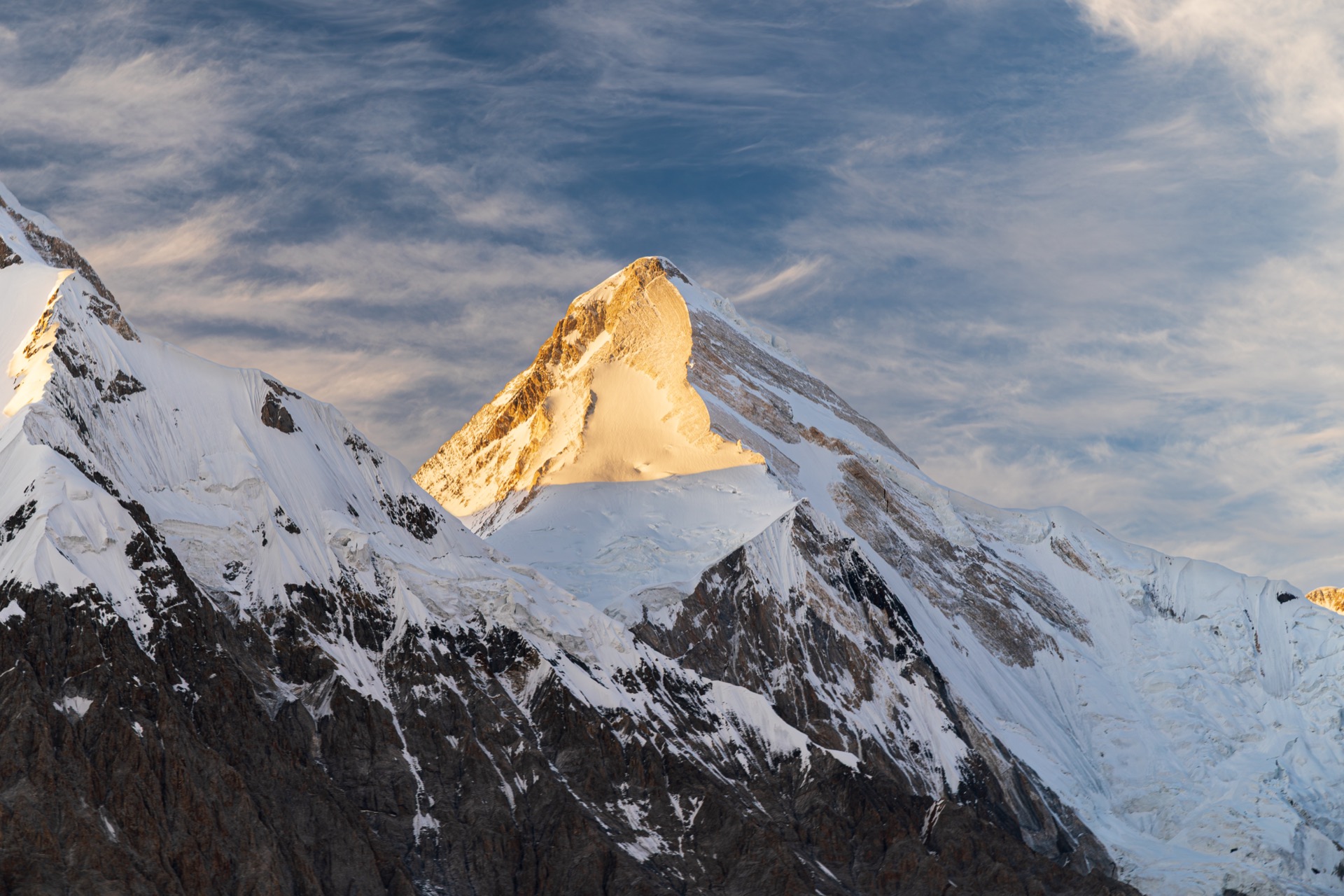
Yurt camps in the Alay Valley serve both trekkers bound for Peak Lenin base camp and travelers drawn by the staggering panorama of 7,134-metre Lenin towering over the valley floor. Camps run by mountaineering operators include meals and tend toward slightly higher prices — twenty to thirty dollars per night — reflecting the remote logistics. The southern location means a different climate, flora, and cultural flavor compared with northern jailoo camps; Tajik and Kyrgyz traditions blend here near the border.
1,600 mMay – OctoberWalnut forest settingCBT ArslanbobSept–Oct walnut harvest
At lower altitude in the world's largest natural walnut forest, Arslanbob yurt camps trade alpine austerity for lush green canopy and village warmth. Family yurts in compound settings cost ten to fifteen dollars through CBT Arslanbob. Combine the overnight with a waterfall hike and walnut forest walk — the September and October harvest season adds another sensory layer when families gather nuts by the sackful. The Uzbek-influenced culture here contrasts with northern Kyrgyz pastoralism, broadening the yurt-stay spectrum.
1,607 mJune – SeptemberBeachside yurtsLake swimmingSome have showers
Beachside yurt camps around Tamga and Barskoon on the south shore of Issyk-Kul pair lake swimming with yurt sleeping — an unusual combination that appeals to families and travelers who want nomadic atmosphere without sacrificing all comfort. Some camps here offer solar showers and slightly more infrastructure than high-altitude counterparts. Book via CBT Tamga. The south shore itself is quieter than the north, with canyon day trips to Barskoon and Skazka adding variety between lake and yurt time.